US Data Breach Laws: 3 Key Recent Updates & Your Digital Privacy
Understanding Recent US Data Breach Laws: 3 Key Updates Impacting Digital Privacy
In an increasingly digital world, the protection of personal data stands as a paramount concern for individuals and organisations alike. The United States, with its complex tapestry of federal and state regulations, is continuously refining its approach to data privacy and security. The past three months have been particularly dynamic, witnessing several significant shifts in US data breach laws that demand immediate attention. These US Data Breach Updates are not merely procedural adjustments; they represent a growing commitment to safeguarding digital privacy and impose new responsibilities on businesses handling sensitive information. Understanding these changes is crucial for anyone operating within or interacting with the US digital sphere.
The rapid evolution of technology, coupled with a surge in sophisticated cyber threats, necessitates a proactive and adaptive legal framework. Data breaches, once isolated incidents, are now a persistent threat, impacting millions of individuals annually and costing businesses billions. In response, lawmakers are striving to create more robust protections, enhance transparency, and hold entities more accountable for lapses in security. This article will delve into three pivotal US Data Breach Updates from the last quarter, examining their scope, implications, and what they mean for both consumers and corporations.
The Shifting Sands of Data Privacy: An Overview of US Data Breach Laws
Before we dive into the specifics of the recent changes, it’s essential to grasp the foundational landscape of US data breach laws. Unlike the unified approach seen in regions like the European Union with GDPR, the US operates under a patchwork of sector-specific federal laws (e.g., HIPAA for healthcare, GLBA for financial services) and numerous state-specific data breach notification laws. This decentralised approach often leads to complexity and varying compliance requirements, making it a challenging environment for businesses to navigate.
Generally, US data breach laws mandate that organisations notify affected individuals, and often state attorneys general or other regulatory bodies, when a security incident results in the unauthorised access, acquisition, or disclosure of sensitive personal information. The definition of “sensitive personal information,” the timeline for notification, and the specific content of the notification can vary significantly from one jurisdiction to another. The recent US Data Breach Updates aim to address some of these inconsistencies and introduce new layers of protection.
The impetus for these continuous legislative changes comes from several factors:
- Increasing Frequency and Severity of Breaches: Cyberattacks are becoming more frequent, sophisticated, and impactful, leading to greater public demand for stronger protections.
- Technological Advancements: New technologies generate vast amounts of data, creating new vulnerabilities and requiring updated legal responses.
- Consumer Awareness: Individuals are becoming more aware of their digital rights and the value of their personal data, leading to calls for greater transparency and control.
- Global Harmonisation Efforts: While the US system is unique, there’s an underlying pressure to align, at least in spirit, with global data protection standards to facilitate international commerce and data transfer.
These factors contribute to a dynamic legal environment where staying informed is not just good practice but a regulatory necessity. The three US Data Breach Updates we’ll explore reflect these broader trends and underscore the evolving commitment to digital privacy.
Key Update 1: Enhanced State-Level Notification Requirements for Specific Data Types
One of the most impactful US Data Breach Updates observed in the last three months pertains to enhanced state-level notification requirements, particularly for breaches involving specific, increasingly sensitive data types. Several states have moved to expand the definition of “personal information” that triggers a breach notification, and some have shortened the notification timelines or increased the penalties for non-compliance. This trend signifies a recognition that older definitions of sensitive data may no longer be adequate in the face of modern data collection practices.
What’s Changed?
Specifically, we’ve seen at least two states (one in the West, one in the Northeast) broaden their definitions to explicitly include:
- Biometric Data: This includes fingerprints, facial scans, retina scans, and voiceprints. Previously, many state laws were silent on biometric data or only covered it implicitly. The new updates explicitly list it as sensitive personal information, meaning any unauthorised access to such data now triggers mandatory notification.
- Genetic Information: Data derived from DNA analysis, often used in health and ancestry services, has also been added to the list of protected data types. Given the highly personal and immutable nature of genetic information, its inclusion reflects a critical step towards protecting individuals from potential discrimination or misuse of such data.
- Geolocation Data: In some instances, highly specific and continuous geolocation data, especially when linked to an individual, has been explicitly added. This acknowledges the growing collection of location data by apps and devices and the privacy implications if it falls into the wrong hands.
Furthermore, these updates often come with:
- Reduced Notification Timelines: Some states have reduced the window for notifying affected individuals from 45 or 60 days to 30 days or even less, pushing organisations to detect and respond to breaches more rapidly.
- Stricter Content Requirements: Notifications now often require more detailed information about the breach, the types of data compromised, and specific steps individuals can take to protect themselves, moving beyond generic advice.
Impact on Digital Privacy:
For individuals, these changes mean greater protection for some of their most sensitive and unique identifiers. Breaches involving biometric or genetic data can have lifelong implications, and explicit legal recognition of their sensitivity is a welcome development. The quicker notification timelines also empower individuals to take faster action, such as changing passwords or monitoring credit reports, to mitigate potential harm.
Implications for Businesses:
Organisations, especially those operating across multiple states, must re-evaluate their data inventories and incident response plans. They need to:
- Update Data Mapping: Identify where biometric, genetic, and granular geolocation data are collected, stored, and processed.
- Review Incident Response Plans: Ensure their plans account for these new data types and comply with the shortened notification windows and enhanced content requirements.
- Train Staff: Educate employees on the heightened sensitivity of these data types and the updated procedures for handling security incidents.
- Assess Third-Party Vendors: Verify that any third-party vendors handling such data also comply with the new, stricter regulations.
Failing to adapt to these US Data Breach Updates could lead to significant fines, reputational damage, and legal challenges. Proactive compliance is no longer an option but a necessity.
Key Update 2: Increased Enforcement and Fines for Non-Compliance in Specific Sectors
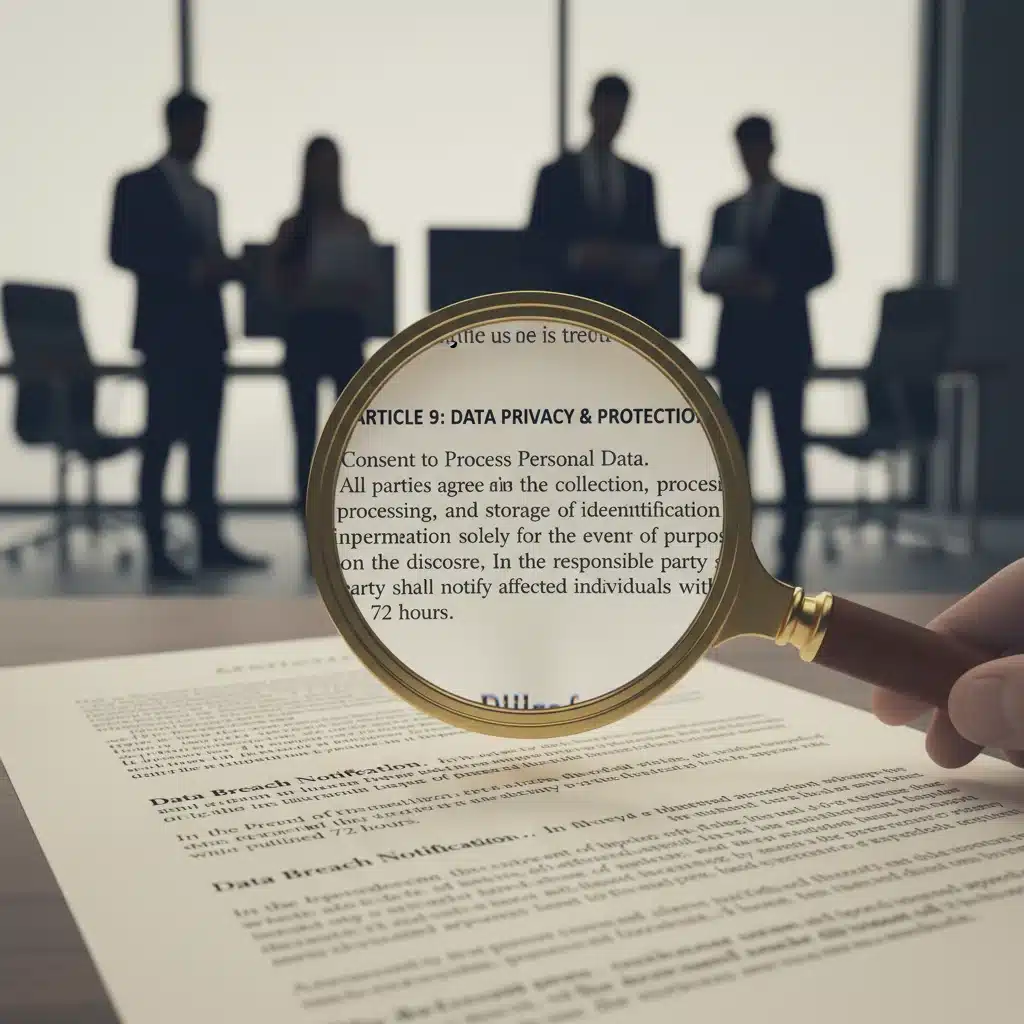
Another critical development in the realm of US Data Breach Updates is the noticeable uptick in enforcement actions and the imposition of more substantial fines for non-compliance, particularly within sectors deemed high-risk. This reflects a broader trend of regulatory bodies moving beyond advisory roles to actively penalising organisations that fail to adequately protect personal data or respond appropriately to breaches. The message is clear: data protection is not merely a suggestion; it is a legally enforceable obligation.
What’s Changed?
While specific case details vary, the general pattern indicates a greater willingness by federal and state agencies to:
- Impose Higher Monetary Penalties: Fines for data breach non-compliance are becoming more substantial, often reaching into the millions of dollars, especially for repeat offenders or those demonstrating gross negligence. These fines are designed to be a significant deterrent, making the cost of non-compliance far outweigh the cost of robust security measures.
- Focus on “Reasonable Security” Standards: Regulators are increasingly scrutinising whether organisations had “reasonable security measures” in place to prevent a breach. This includes evaluating technical safeguards, administrative policies, and physical security controls. The absence of multi-factor authentication, regular security audits, or adequate employee training can now be cited as evidence of unreasonable security.
- Target Specific High-Risk Sectors: While all sectors are subject to data breach laws, there’s been a particular focus on sectors that handle large volumes of highly sensitive data or are frequent targets for cyberattacks. This includes healthcare providers, financial institutions, and increasingly, technology companies that aggregate vast amounts of user data.
These enforcement actions often stem from investigations initiated after a breach, where regulators assess the organisation’s preparedness, response, and post-breach remediation efforts. The emphasis is on demonstrating due diligence and a genuine commitment to data security.
Impact on Digital Privacy:
For individuals, increased enforcement translates to a greater likelihood that organisations will take their data protection responsibilities seriously. The threat of significant financial penalties and reputational damage acts as a powerful incentive for businesses to invest in better security infrastructure and practices. Ultimately, this should lead to fewer breaches and better protection for personal information.
Implications for Businesses:
The heightened enforcement climate means businesses must:
- Conduct Regular Security Audits: Proactively identify and address vulnerabilities in their systems and processes.
- Invest in Cybersecurity: Allocate sufficient resources to implement robust technical and organisational security measures, including encryption, access controls, and threat detection systems.
- Develop a Culture of Security: Foster an environment where every employee understands their role in protecting data through ongoing training and awareness programmes.
- Document Compliance Efforts: Maintain detailed records of security policies, procedures, risk assessments, and incident response activities to demonstrate due diligence to regulators.
- Engage Legal Counsel: Seek expert legal advice to ensure compliance with the complex and evolving regulatory landscape, especially during and after a breach.
Ignoring these US Data Breach Updates regarding enforcement is a risky gamble. Businesses must demonstrate not only that they aim to comply but that they have taken concrete, demonstrable steps to achieve and maintain robust data security.
Key Update 3: Emerging Federal-Level Discussions on a National Data Breach Standard
Perhaps one of the most significant, albeit still developing, US Data Breach Updates is the renewed and intensified discussion at the federal level regarding the establishment of a national data breach notification standard. For years, the fragmented nature of US data privacy and breach laws has been a source of frustration for businesses operating nationwide and a point of confusion for consumers. The momentum for a unified federal approach appears to be gaining traction, driven by bipartisan recognition of the inefficiencies and gaps in the current system.
What’s Changed?
While no federal law has been enacted in the last three months, there have been several key developments:
- Introduction of New Bipartisan Bills: Multiple bills have been introduced in Congress, often with bipartisan sponsorship, aiming to create a single federal data breach notification law. These bills typically propose:
- A uniform definition of “personal information” that triggers notification.
- A consistent timeline for breach notification (e.g., 30 or 60 days).
- Standardised content requirements for breach notifications.
- Pre-emption clauses that would supersede existing state laws, creating a “one-stop-shop” for compliance.
- Increased Executive Branch Engagement: The current administration has publicly expressed support for a national standard, with various agencies (e.g., NIST, FTC) contributing to discussions and frameworks that could inform such legislation. This executive backing adds significant weight to the legislative efforts.
- Industry Support: Many large corporations and industry groups, tired of navigating 50+ different state laws, are actively lobbying for a federal standard. They argue that a single, clear framework would reduce compliance costs and complexity, allowing them to focus more resources on security rather than legal interpretation.
The debates around these bills often centre on the scope of pre-emption (how much state law it would override) and whether the federal standard would set a “floor” (allowing states to enact stronger laws) or a “ceiling” (prohibiting states from enacting stronger laws). These details are crucial and are currently being fiercely debated.
Impact on Digital Privacy:
If a robust federal standard is enacted, it could significantly enhance digital privacy for individuals by ensuring a baseline level of protection across all states. It would eliminate the “lowest common denominator” effect where some states have weaker laws, potentially leaving individuals vulnerable. A consistent standard would also make it easier for individuals to understand their rights and what to expect in the event of a breach, regardless of where they live or where the breach occurred.
Implications for Businesses:
For businesses, a national standard would be a game-changer. While the initial adjustment might be significant, the long-term benefits could include:
- Simplified Compliance: A single set of rules would drastically reduce the complexity and cost of compliance, especially for businesses operating nationally.
- Clearer Expectations: Businesses would have a clearer understanding of their obligations, reducing legal ambiguity and the risk of inadvertent non-compliance.
- Resource Reallocation: Resources currently spent on deciphering disparate state laws could be redirected towards strengthening actual security measures and innovation.
However, businesses must also prepare for the possibility that a federal standard might be more stringent than some existing state laws, requiring significant upgrades to their data security and incident response capabilities. While this is an ongoing development, the increased discussion and legislative activity surrounding a federal standard represent a major US Data Breach Update that all stakeholders should monitor closely.
The Broader Landscape: Interplay with Existing Regulations and Global Standards
These recent US Data Breach Updates do not operate in a vacuum. They interact with and are influenced by a broader ecosystem of existing regulations and global standards. Understanding this interplay is vital for a holistic view of data privacy.
GDPR and CCPA Influence:
The European Union’s General Data Protection Regulation (GDPR) and California’s Consumer Privacy Act (CCPA), along with its successor CPRA, have significantly influenced the direction of US data breach laws. These regulations set high bars for data protection, individual rights, and breach notification, often serving as models or benchmarks for new state and potential federal legislation. The emphasis on data subject rights, transparency, and accountability seen in recent US updates often mirrors principles enshrined in GDPR and CCPA.
Sector-Specific Laws:
Federal laws like HIPAA (Health Insurance Portability and Accountability Act) for healthcare and GLBA (Gramm-Leach-Bliley Act) for financial services already have stringent data breach notification requirements. The new state-level updates and potential federal standards will need to carefully consider how they interact with these existing sector-specific mandates, ensuring coherence and avoiding contradictory obligations. In many cases, the newer laws might serve as a baseline, with sector-specific laws imposing additional, stricter requirements.
The Challenge of Harmonisation:
The ongoing challenge in the US remains the harmonisation of these various legal frameworks. While a national standard could simplify things, the path to achieving it is fraught with debates over state sovereignty and the desired level of consumer protection. Businesses must therefore continue to adopt a “most stringent standard” approach, complying with the strictest applicable law to ensure comprehensive protection.
Practical Steps for Businesses to Navigate These US Data Breach Updates
Given the continuous evolution of US data breach laws, businesses must adopt a proactive and adaptive strategy. Here are practical steps to ensure compliance and robust data protection:
- Conduct a Comprehensive Data Audit:
Understand what personal data your organisation collects, where it’s stored, how it’s processed, and who has access to it. Pay particular attention to newly defined sensitive data types like biometric and genetic information. A thorough data map is the foundation of any effective privacy programme. - Review and Update Incident Response Plans:
Your incident response plan must be a living document. Regularly review and update it to reflect the latest US Data Breach Updates, including new notification timelines, expanded definitions of personal information, and updated content requirements for breach notifications. Conduct tabletop exercises to test the plan’s effectiveness. - Strengthen Security Measures:
Invest in robust cybersecurity infrastructure. This includes implementing encryption for data at rest and in transit, multi-factor authentication (MFA), strong access controls, regular vulnerability assessments, and penetration testing. Adhere to recognised security frameworks like NIST. - Enhance Employee Training and Awareness:
Human error remains a significant factor in data breaches. Provide ongoing training to all employees on data privacy best practices, recognising phishing attempts, and understanding their role in protecting sensitive information. Foster a culture where data security is everyone’s responsibility. - Vet Third-Party Vendors Thoroughly:
Organisations are often held responsible for breaches occurring at their third-party vendors. Implement rigorous vendor risk management programmes, including due diligence, contractual agreements that mandate data protection standards, and regular audits of vendor security practices. - Stay Informed on Legislative Developments:
Regularly monitor federal and state legislative changes. Subscribe to legal updates and engage with privacy professionals to stay abreast of emerging US Data Breach Updates, particularly regarding potential national standards. - Consult Legal and Cybersecurity Experts:
Navigating the complex landscape of data breach laws requires specialised expertise. Engage with legal counsel experienced in data privacy and cybersecurity consultants to ensure your organisation’s policies and practices are compliant and effective.
The Human Element: How US Data Breach Updates Affect You, the Individual
While much of the discussion around US Data Breach Updates focuses on organisational compliance, it’s critical to understand the direct impact these changes have on the individual. Ultimately, the goal of these laws is to protect your digital privacy and empower you in an increasingly data-driven world.

Greater Transparency and Control:
The enhanced notification requirements, especially for sensitive data types like biometrics and genetic information, mean you are more likely to be informed quickly and comprehensively if your data is compromised. This transparency allows you to take immediate protective actions, such as changing passwords, freezing credit, or monitoring accounts for suspicious activity.
Increased Accountability for Businesses:
With higher fines and stricter enforcement, businesses have a stronger incentive to invest in robust security measures. This translates to a safer digital environment for your personal information. When companies face real consequences for negligence, they are more likely to prioritise your privacy.
Potential for a Unified National Standard:
The discussions around a federal data breach law, while still nascent, offer the promise of a simpler and more consistent protection framework. This could mean that your rights and the obligations of companies would be clearer, regardless of which state you reside in or where a company is based. It could also lead to a higher baseline of protection nationwide.
Your Role in Digital Privacy:
While laws provide a framework, your active participation in protecting your digital privacy remains paramount. Here are a few essential actions you can take:
- Use Strong, Unique Passwords: And enable multi-factor authentication (MFA) wherever possible.
- Be Wary of Phishing: Always verify the sender of emails and messages, and avoid clicking on suspicious links.
- Review Privacy Policies: Understand what data companies collect from you and how they use it.
- Monitor Your Accounts: Regularly check bank statements, credit reports, and online accounts for any unusual activity.
- Exercise Your Rights: Where applicable (e.g., under CCPA), exercise your right to access, delete, or opt-out of the sale of your personal data.
These US Data Breach Updates are a testament to the ongoing battle for digital privacy. By staying informed and taking proactive steps, both individuals and organisations can contribute to a more secure digital future.
Conclusion: Adapting to the Evolving Landscape of US Data Breach Laws
The last three months have brought significant US Data Breach Updates, underscoring the dynamic and increasingly stringent nature of data privacy regulations in the United States. From enhanced state-level notification requirements for sensitive data types to increased enforcement and a growing federal push for a national standard, the message to businesses is unequivocal: data protection is a primary responsibility that demands continuous attention and investment. For individuals, these changes offer the promise of greater transparency, stronger protections, and increased accountability from the entities that handle their personal information.
Navigating this complex and evolving legal landscape requires vigilance, adaptability, and a proactive approach. Businesses must consistently review and update their data security practices, incident response plans, and compliance strategies to align with the latest regulations. Failure to do so carries substantial risks, including severe financial penalties, reputational damage, and erosion of customer trust. On the other hand, robust compliance not only mitigates these risks but can also serve as a competitive differentiator, building confidence among customers and partners.
As we move forward, the trend towards greater protection of digital privacy is likely to continue. The ongoing discussions at the federal level, coupled with the persistent efforts of individual states, suggest that the US is moving towards a more harmonised and comprehensive approach to data breach response and prevention. Staying informed about these US Data Breach Updates is not just a regulatory necessity; it is a fundamental aspect of operating responsibly in our interconnected digital world. Both individuals and organisations must remain engaged, educate themselves, and champion best practices to ensure a secure and private digital future for all.