The Financial Impact of Digital Privacy Breaches: What 15% of US Consumers Lost in 2025 and How to Prevent It in 2026
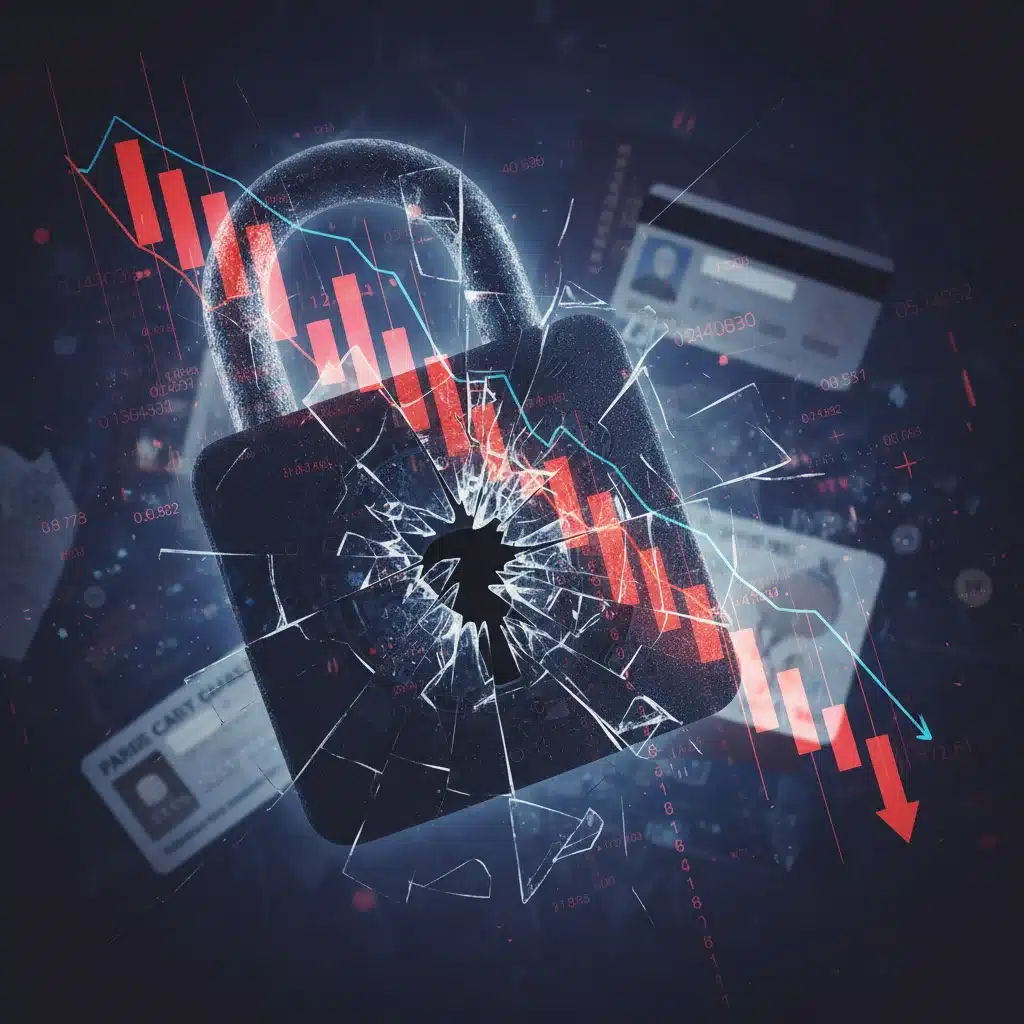
In an increasingly interconnected world, where our lives are inextricably linked to the digital realm, the concept of digital privacy has never been more critical. Every click, every transaction, every interaction online leaves a digital footprint, a trail of personal data that, if compromised, can lead to devastating consequences. The year 2025 served as a stark reminder of this vulnerability, with an estimated 15% of US consumers experiencing a significant financial loss due to a digital privacy breach. This figure is not just a statistic; it represents millions of individuals grappling with identity theft, fraudulent charges, and the erosion of trust in the digital ecosystem. As we look towards 2026, understanding the nuances of these breaches, their profound financial impact, and implementing robust prevention strategies becomes paramount for every internet user. This comprehensive guide will delve deep into the anatomy of a digital privacy breach, explore its multifaceted financial repercussions, and arm you with the knowledge and tools to safeguard your digital assets effectively.
Understanding the Digital Privacy Breach Landscape in 2025
The term digital privacy breach encompasses a wide array of security incidents where sensitive, protected, or confidential data is copied, transmitted, viewed, stolen, or used by an individual unauthorized to do so. In 2025, the sophistication and frequency of these attacks reached unprecedented levels. Cybercriminals, leveraging advanced techniques such as AI-powered phishing, zero-day exploits, and increasingly complex malware, targeted individuals and organisations alike. The motivations behind these breaches are varied, ranging from financial gain through identity theft and credit card fraud to corporate espionage and even state-sponsored attacks aimed at destabilising critical infrastructure or gathering intelligence. The sheer volume of data being processed and stored by various online services, from social media platforms to e-commerce sites and financial institutions, provides a fertile ground for these malicious actors.
One of the most alarming trends observed in 2025 was the rise of highly personalised phishing attacks. Gone are the days of generic, easily identifiable scam emails. Instead, cybercriminals are now meticulously crafting messages that mimic legitimate communications from known entities, often leveraging publicly available information about their targets to enhance credibility. This level of sophistication makes it significantly harder for the average user to distinguish between genuine and fraudulent requests, increasing their susceptibility to revealing sensitive information. Furthermore, the proliferation of Internet of Things (IoT) devices, while offering convenience, introduced new vulnerabilities. Many IoT devices, often designed with minimal security in mind, became easy entry points for hackers to penetrate home networks and access other connected devices, including personal computers and smartphones, further exacerbating the risk of a digital privacy breach.
The impact of these breaches extends beyond individual consumers. Businesses, regardless of size, also bore the brunt of these attacks, leading to significant financial losses from regulatory fines, reputational damage, and the cost of remediation. However, the focus of this article is primarily on the direct financial toll on individual US consumers, which in 2025, amounted to a staggering sum. This figure underscores the urgent need for heightened awareness and proactive measures, not just from organisations, but from every individual who navigates the digital world.
The Alarming Financial Toll: What 15% of US Consumers Lost
The statistic that 15% of US consumers experienced financial loss due to a digital privacy breach in 2025 is a critical indicator of the pervasive threat we face. But what does this loss truly entail? It’s not merely about the immediate fraudulent charges on a credit card, although that is a significant component. The financial impact is often multi-layered and long-lasting.
Direct Financial Losses
- Fraudulent Transactions: The most immediate and tangible loss often comes from unauthorised purchases or withdrawals made using stolen credit card numbers, bank account details, or digital payment credentials. While many banks offer fraud protection, the process of disputing charges and recovering funds can be time-consuming and stressful.
- Identity Theft: This is arguably the most damaging consequence. When personal identifiers like Social Security numbers, dates of birth, and addresses are stolen, criminals can open new lines of credit, take out loans, file fraudulent tax returns, or even commit crimes in the victim’s name. Rectifying identity theft can take months, even years, and incur significant legal and administrative costs. Victims often have to pay for identity theft protection services, credit monitoring, and legal assistance to restore their credit and reputation.
- Account Takeovers: Hackers gaining access to online accounts, such as email, social media, or e-commerce platforms, can use these to further their financial schemes. They might buy goods, transfer funds, or even leverage these accounts to launch further phishing attacks against the victim’s contacts.
- Ransomware Payments: While more common for businesses, individuals can also fall victim to ransomware, where their personal data or devices are locked, and a ransom is demanded for their release. Paying the ransom is never guaranteed to restore access and often emboldens attackers.
Indirect and Hidden Costs
Beyond the direct financial drain, a digital privacy breach carries a host of indirect costs that can be equally, if not more, burdensome:
- Time and Effort for Remediation: Recovering from a breach is a time-intensive process. This includes cancelling compromised cards, changing passwords for numerous accounts, reporting the incident to relevant authorities (police, FTC), monitoring credit reports, and dealing with financial institutions. This lost time can translate into lost wages or reduced productivity.
- Credit Score Damage: Identity theft and fraudulent accounts can severely damage an individual’s credit score, making it difficult to obtain loans, mortgages, or even secure employment in the future. Repairing a damaged credit score is a slow and arduous process.
- Emotional and Psychological Distress: The stress, anxiety, and fear associated with a data breach and identity theft are significant. Victims often experience feelings of violation, helplessness, and a loss of control over their personal lives. This psychological toll, while not directly financial, can impact an individual’s well-being and productivity, indirectly affecting their financial stability.
- Loss of Trust: A breach of personal data can lead to a profound loss of trust in financial institutions, online services, and even the digital economy as a whole. This can lead to individuals withdrawing from online activities, limiting their access to convenient and often cost-effective services.
The 15% figure from 2025 highlights that these are not isolated incidents but a widespread phenomenon. The collective financial losses represent billions of dollars, underscoring the urgent need for a more robust and proactive approach to digital security for every US consumer.

The Human Element: Why We Remain Vulnerable
While cybercriminals employ sophisticated tactics, a significant portion of successful digital privacy breaches still exploit the human element. Social engineering, a manipulation technique that tricks individuals into divulging confidential information, remains a potent weapon in a hacker’s arsenal. Phishing, as mentioned, is a prime example, but it also includes vishing (voice phishing), smishing (SMS phishing), and pretexting, where attackers create a believable scenario to gain trust and extract information.
Our inherent trust, busy schedules, and occasional lapses in judgment make us susceptible. A hurried click on a malicious link, reusing weak passwords across multiple platforms, or failing to update software with critical security patches are common vulnerabilities that cybercriminals actively seek to exploit. The psychological aspect of these attacks is often underestimated. Attackers prey on emotions like fear, urgency, curiosity, or even greed to manipulate victims into making security errors. For instance, a fake urgent email from a ‘bank’ warning of suspicious activity can induce panic, leading the recipient to click on a fraudulent link without proper scrutiny.
Furthermore, the sheer volume of online interactions we engage in daily makes it challenging to maintain constant vigilance. We are bombarded with emails, notifications, and requests for information, making it difficult to discern legitimate communications from malicious ones. This ‘alert fatigue’ contributes to our vulnerability, as we may become desensitised to security warnings or simply overlook subtle red flags in our haste. Education and continuous awareness are therefore not just desirable but absolutely essential in fortifying the human firewall against the ever-evolving threats of a digital privacy breach.
Preventing Digital Privacy Breaches in 2026: A Proactive Approach
The good news is that while the threats are formidable, effective strategies exist to significantly reduce the risk of a digital privacy breach. Preventing these incidents in 2026 requires a multi-layered, proactive approach, combining technological safeguards with heightened personal awareness and responsible online behaviour. Here are key strategies for every US consumer:
1. Fortify Your Passwords and Authentication
- Strong, Unique Passwords: This is the bedrock of online security. Use long, complex passwords (at least 12-16 characters) that combine uppercase and lowercase letters, numbers, and symbols. Crucially, never reuse passwords across different accounts. If one account is compromised, all others using the same password become vulnerable.
- Password Manager: Employ a reputable password manager (e.g., LastPass, 1Password, Bitwarden). These tools securely store and generate complex passwords for you, reducing the burden of remembering multiple unique credentials.
- Multi-Factor Authentication (MFA): Enable MFA (also known as two-factor authentication or 2FA) on all accounts that offer it, especially for email, banking, and social media. MFA adds an extra layer of security, typically requiring a code from your phone or a biometric scan in addition to your password, making it significantly harder for unauthorised users to gain access even if they have your password.
2. Exercise Caution with Online Communications
- Be Wary of Phishing: Always scrutinise emails, text messages, and direct messages before clicking on links or downloading attachments. Check the sender’s email address for inconsistencies, hover over links to see the actual URL (without clicking), and be suspicious of urgent or emotionally charged requests. If in doubt, contact the organisation directly using a verified phone number or website, not the one provided in the suspicious communication.
- Verify Requests for Information: Legitimate organisations, especially banks and government agencies, rarely ask for sensitive personal information (like passwords, Social Security numbers, or full credit card details) via email or text. Always assume such requests are fraudulent until proven otherwise.
- Secure Wi-Fi Networks: Avoid conducting sensitive transactions (banking, shopping) on public, unsecured Wi-Fi networks. These networks are often vulnerable to eavesdropping. Use a Virtual Private Network (VPN) when connecting to public Wi-Fi to encrypt your internet traffic.
3. Keep Software and Devices Updated
- Regular Software Updates: Always install operating system, browser, and application updates as soon as they are available. These updates often include critical security patches that fix newly discovered vulnerabilities that hackers could exploit to initiate a digital privacy breach.
- Antivirus and Anti-Malware Software: Install and maintain reputable antivirus and anti-malware software on all your devices. Ensure it is configured to perform regular scans and is always up to date.
- Firewall Protection: Enable the firewall on your computer and router. A firewall acts as a barrier between your device/network and the internet, blocking unauthorized access.
4. Manage Your Digital Footprint
- Privacy Settings: Regularly review and adjust the privacy settings on your social media accounts, email services, and other online platforms. Limit the amount of personal information you share publicly.
- Data Minimisation: Adopt a ‘data minimisation’ mindset. Only provide personal information when absolutely necessary. Think twice before filling out optional fields in online forms.
- Delete Unused Accounts: Periodically review your online accounts and delete any that you no longer use. Each active account is a potential point of vulnerability for a digital privacy breach.
- Monitor Your Accounts: Regularly check your bank statements, credit card bills, and credit reports for any suspicious activity. Early detection can significantly mitigate the damage from a breach. Consider signing up for credit monitoring services.
5. Understand Data Breach Notifications
- Act Swiftly: If you receive a data breach notification from a company, take it seriously. Follow their instructions carefully, which may include changing passwords, monitoring accounts, or signing up for identity theft protection services they offer.
- Be Skeptical of Fake Notifications: Cybercriminals often capitalise on real data breaches by sending out fake notifications designed to trick victims into revealing more information. Always verify the legitimacy of any breach notification directly with the company, using official contact channels.
The Role of Legislation and Corporate Responsibility
While individual actions are crucial, preventing a widespread digital privacy breach also heavily relies on robust legislation and corporate responsibility. Governments worldwide, including in the US, are increasingly enacting stricter data protection laws, such as the California Consumer Privacy Act (CCPA) and various state-level privacy initiatives, to mandate better data handling practices by businesses. These laws often impose hefty fines for non-compliance, incentivising companies to invest more in cybersecurity and data privacy. The aim is to shift some of the burden of data protection from the individual consumer to the organisations that collect and process their data.
Corporate responsibility extends beyond mere compliance. It involves embedding a culture of security throughout the organisation, from the top down. This means conducting regular security audits, implementing strong encryption for data at rest and in transit, providing ongoing cybersecurity training for employees, and having a well-defined incident response plan in case a breach does occur. Transparency with consumers about data collection practices and any potential breaches is also vital for maintaining trust. As consumers, we also have a role in holding companies accountable by choosing to patronise businesses that demonstrate a strong commitment to data privacy and security. The collective effort of individuals, corporations, and governments is essential to create a more secure digital environment and minimise the financial impact of future digital privacy breaches.
Looking Ahead to 2026: Evolving Threats and Continuous Vigilance
The threat landscape is constantly evolving. As technology advances, so do the methods of cybercriminals. In 2026 and beyond, we can expect to see new forms of attacks, potentially leveraging advancements in artificial intelligence and quantum computing, to breach existing security measures. This necessitates continuous vigilance and adaptability from both individuals and organisations.
One emerging area of concern is the increasing sophistication of deepfake technology, which could be used to create highly convincing fraudulent audio or video messages, making social engineering attacks even more potent. The growth of the metaverse and other immersive digital environments will also introduce new vectors for a digital privacy breach, requiring novel security approaches. Furthermore, the push towards a cashless society and the increasing reliance on digital currencies will make financial data an even more attractive target for cybercriminals.
Therefore, preventing digital privacy breaches is not a one-time task but an ongoing commitment. It involves staying informed about the latest threats, regularly reviewing and updating your security practices, and being proactive in protecting your digital identity. The financial impact experienced by 15% of US consumers in 2025 serves as a powerful cautionary tale, urging us all to prioritise our digital safety in 2026 and the years to come. By adopting the strategies outlined in this guide, every individual can contribute to building a more secure and resilient digital future, safeguarding their finances and peace of mind against the pervasive threat of a digital privacy breach.
Conclusion: Empowering Yourself Against Digital Threats
The financial impact of a digital privacy breach on US consumers in 2025 was substantial, affecting a significant portion of the population and highlighting the critical need for enhanced cybersecurity measures. From direct monetary losses due to fraudulent transactions and identity theft to the indirect costs of time, stress, and damaged credit, the repercussions are far-reaching. However, the future is not bleak. By understanding the nature of these threats and adopting a proactive, multi-faceted approach to digital security, individuals can significantly mitigate their risk.
The strategies discussed – strong password hygiene, multi-factor authentication, vigilance against phishing, regular software updates, responsible digital footprint management, and prompt action on breach notifications – are not merely recommendations; they are essential practices for navigating the modern digital landscape safely. Furthermore, advocating for stronger corporate responsibility and robust data protection legislation will create a safer environment for everyone. As we move into 2026, let the lessons learned from 2025 empower us to become more resilient, more informed, and ultimately, more secure in our digital lives. Protecting your digital privacy is protecting your financial future. Make it a priority.