Deepfake Cybercrime: Top 5 Threats to US Elections 2026
Deepfake Cybercrime: Identifying the 5 Most Sophisticated Audio and Video Manipulation Threats Facing US Elections in 2026
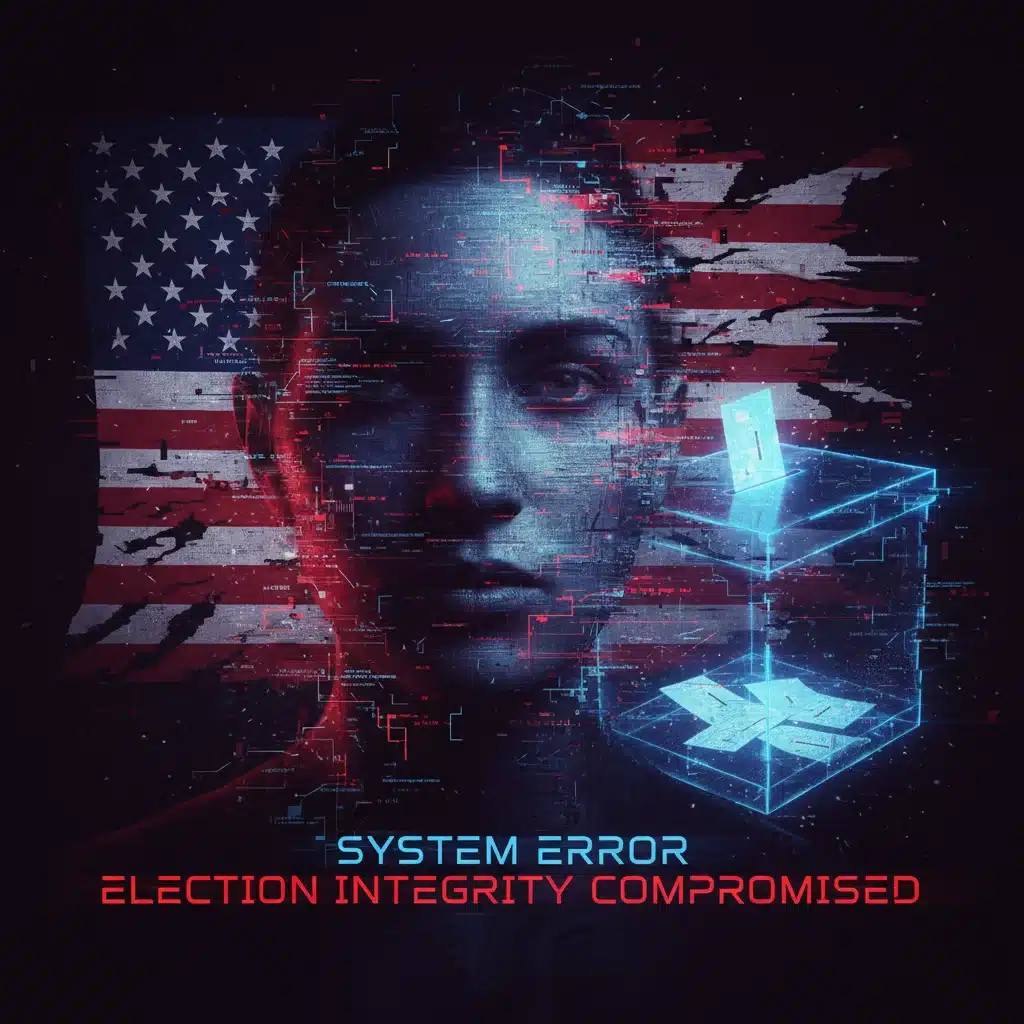
The landscape of political discourse and election integrity is constantly evolving, and with the rapid advancements in artificial intelligence, so too are the threats. As we look towards the US Elections in 2026, the specter of deepfake cybercrime looms larger than ever. Deepfakes, synthesised media in which a person in an existing image or video is replaced with someone else’s likeness, have moved beyond mere novelty to become a potent tool for disinformation and manipulation. This article delves into the five most sophisticated audio and video manipulation threats that could significantly impact the next US electoral cycle, offering insights into how these deepfake election threats operate and what can be done to identify them.
The term ‘deepfake’ itself is a portmanteau of ‘deep learning’ and ‘fake,’ indicative of the AI techniques used to create these convincing forgeries. While initially gaining notoriety for their use in entertainment and malicious non-consensual pornography, their application in political contexts presents a far more insidious danger. The ability to generate hyper-realistic yet entirely fabricated audio and video content means that the line between truth and deception can be blurred to an unprecedented degree. For the 2026 elections, this translates into a heightened risk of manipulated narratives, eroded public trust, and potentially swayed outcomes. Understanding these deepfake election threats is the first step in building robust defenses.
The Escalating Threat of Deepfake Cybercrime in Elections
The evolution of deepfake technology has been astonishingly swift. What once required significant computational power and expertise is now increasingly accessible, with user-friendly software and even mobile applications capable of producing convincing fakes. This democratisation of deepfake creation is a critical factor in understanding the escalating deepfake election threats. Malicious actors, whether state-sponsored, ideologically motivated, or simply seeking to sow chaos, now possess powerful tools to target political campaigns, candidates, and the electorate directly.
The stakes are incredibly high. In a politically polarised environment, even a small amount of credible-looking disinformation can have a disproportionately large impact. A deepfake video of a candidate making a controversial statement, or an audio clip of a political figure confessing to illicit activities, could go viral within hours, shaping public opinion before any official debunking can take hold. The speed of information dissemination on social media platforms amplifies this danger, making real-time verification and response mechanisms absolutely essential to counter these deepfake election threats.
Moreover, the sophistication of deepfake generation continues to improve, making detection increasingly challenging. Early deepfakes often exhibited tell-tale signs like unnatural blinking, inconsistent lighting, or audio glitches. However, modern deepfake algorithms are capable of producing highly polished and virtually indistinguishable fakes. This technological arms race between creators and detectors means that a proactive and multi-layered approach is required to safeguard the integrity of the 2026 US Elections against deepfake election threats.
Threat 1: Hyper-Realistic ‘Synthetic Candidate’ Videos
One of the most potent deepfake election threats involves the creation of entirely synthetic videos depicting political candidates. These aren’t just doctored videos; they are often completely fabricated scenarios where a candidate appears to say or do something they never did. The sophistication here lies in the ability to generate not just a face swap, but a full performance, including body language, vocal inflections, and environmental context.
How They Work:
Advanced generative adversarial networks (GANs) and variational autoencoders (VAEs) are at the heart of these creations. These AI models learn from vast datasets of real footage of a candidate, capturing their unique mannerisms, speech patterns, and facial expressions. Once trained, the AI can then generate new, entirely fabricated content that seamlessly integrates the candidate’s likeness into any desired narrative. This could involve creating a video of a candidate making a racist remark at a private event, endorsing a fringe political ideology, or even engaging in illegal activities.
Why They Are Dangerous:
The danger of these synthetic candidate videos stems from their ability to create highly damaging and believable narratives that can spread rapidly. Imagine a deepfake video surfacing just days before an election showing a leading candidate seemingly admitting to corruption. Even if quickly debunked, the initial impact and the lingering doubt it creates can be enough to significantly erode voter confidence and influence undecided voters. The emotional response elicited by such content often overrides rational assessment, making it a powerful weapon in the arsenal of deepfake election threats.
Identification Challenges:
Detecting these deepfakes is becoming increasingly difficult. Modern techniques can replicate subtle human imperfections, making the ‘uncanny valley’ effect less pronounced. Experts look for inconsistencies in lighting, shadows, pixel-level anomalies, and sometimes subtle distortions around the edges of faces or objects. However, these require sophisticated analysis tools and trained eyes, which are not readily available to the average voter. Moreover, the sheer volume of content makes manual verification impractical.
Threat 2: ‘Voice Cloning’ for Falsified Audio Messages
Beyond visual manipulation, audio deepfakes, often referred to as ‘voice cloning,’ pose an equally significant deepfake election threat. This technology allows malicious actors to replicate a person’s voice with startling accuracy, enabling them to generate entirely new spoken content that sounds indistinguishable from the original speaker.
How They Work:
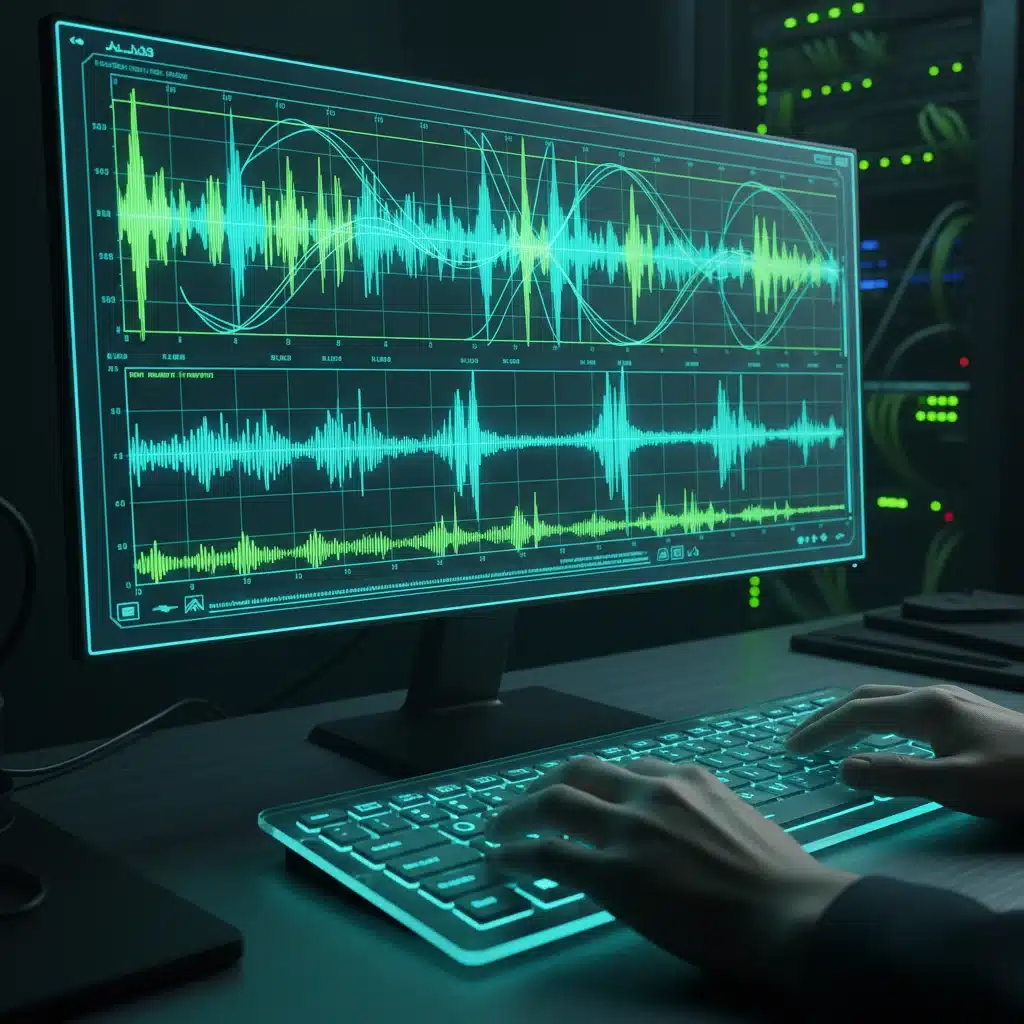
Voice cloning algorithms analyse a relatively small sample of a target’s speech to learn their unique vocal characteristics – pitch, tone, cadence, accent, and even subtle breathing patterns. Once trained, these models can then synthesise new speech in the target’s voice, allowing for the creation of completely fabricated conversations, statements, or directives. The technology has advanced to a point where even emotional nuances can be replicated, making the fakes incredibly convincing.
Why They Are Dangerous:
The threat from voice cloning is multi-faceted. Imagine a deepfake audio recording of a campaign manager giving illegal instructions, a political pundit making inflammatory remarks, or even a candidate seemingly withdrawing from the race. Such audio can be distributed via phone calls, social media, or even integrated into fake video content. The immediacy and perceived authenticity of audio make it a powerful tool for spreading misinformation and manipulating public perception. These audio deepfake election threats can be even harder to detect quickly than video, as visual cues are absent.
Identification Challenges:
Detecting voice clones is a complex task. While some early examples might have had a robotic or artificial quality, modern voice deepfakes are incredibly natural-sounding. Experts often rely on spectral analysis to identify subtle inconsistencies in frequency responses, unusual background noise profiles, or unnatural transitions between phonemes that are characteristic of synthesised speech. However, like video deepfakes, these methods require specialised tools and expertise. The lack of visual context makes it harder for the general public to spot discrepancies, increasing the potency of these deepfake election threats.
Threat 3: AI-Generated ‘Synthetic Influencers’ and Bot Networks
Another sophisticated deepfake election threat involves the creation and deployment of AI-generated synthetic influencers and their integration into large-scale bot networks. These aren’t just fake profiles; they are fully fleshed-out digital personas with AI-generated faces, voices, and even backstories, designed to appear as legitimate social media users or commentators.
How They Work:
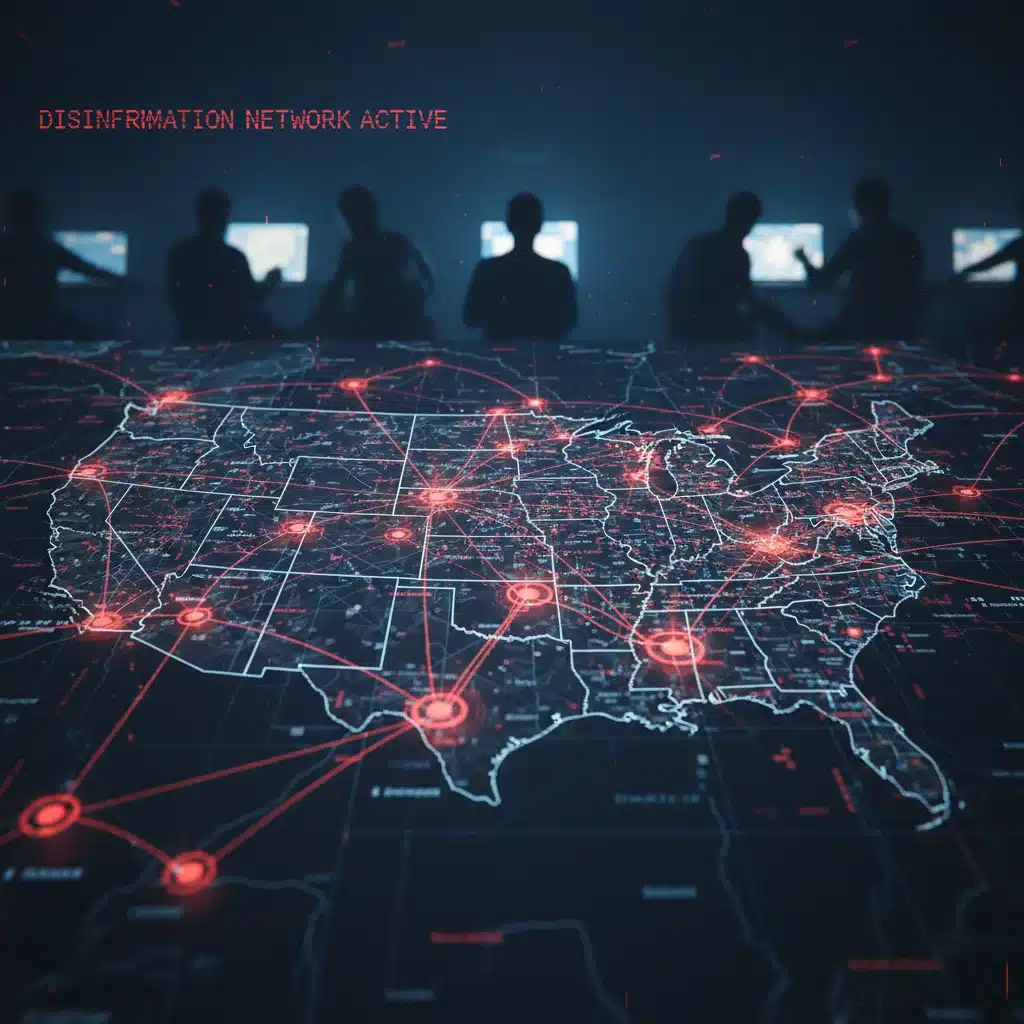
Using advanced GANs, creators can generate photorealistic human faces that don’t belong to any real person. These faces can then be paired with AI-generated voices and programmed to post specific content, engage in discussions, and interact with real users. These synthetic influencers can be deployed individually or, more dangerously, as part of a coordinated bot network. This network can then amplify deepfake videos, spread false narratives, and sow discord across social media platforms, making it a significant deepfake election threat.
Why They Are Dangerous:
The danger here lies in the scale and perceived authenticity. A single deepfake video might be debunked, but if thousands of seemingly real accounts are simultaneously endorsing it, sharing it, and generating supportive commentary, it creates an illusion of widespread belief and legitimacy. These synthetic influencers can target specific demographics with tailored messages, exploit existing social divisions, and create echo chambers that reinforce false information. Their ability to operate 24/7 and adapt their messaging makes them incredibly effective at manipulating public opinion and a serious deepfake election threat.
Identification Challenges:
Identifying synthetic influencers and their bot networks is a constant cat-and-mouse game. While some bots might exhibit repetitive posting patterns or unusual interaction behaviors, the more sophisticated ones are designed to mimic human activity closely. Detection often involves analysing network patterns, linguistic analysis to spot AI-generated text, and cross-referencing profile pictures against databases of known synthetic images. However, as AI improves, these ‘tells’ become harder to find, making these deepfake election threats increasingly evasive.
Threat 4: ‘Contextual Manipulation’ Through Subtle Deepfakes
Not all deepfake election threats involve entirely fabricated content. A more subtle, yet equally dangerous, form of manipulation is ‘contextual manipulation’ through minor, almost imperceptible deepfakes. This involves taking genuine footage or audio and subtly altering it to change its meaning or impact.
How They Work:
Instead of creating a whole new video, advanced editing techniques combined with deepfake technology can be used to alter specific elements. This might include changing a single word in a speech, subtly altering a facial expression to convey a different emotion (e.g., turning a smile into a sneer), or inserting a brief, out-of-context clip into a longer, genuine video. The goal is not to create an obvious fake, but to subtly reframe genuine events or statements to fit a malicious narrative. This is a very insidious deepfake election threat.
Why They Are Dangerous:
The danger of contextual manipulation lies in its deceptive nature. Because the core content is often genuine, it’s much harder to debunk outright. Opponents can claim the video is ‘real’ while ignoring the subtle, yet crucial, alterations. This form of deepfake election threat can be used to misrepresent a candidate’s stance on an issue, paint them in a negative light, or create false impressions of their character. The subtlety makes it highly effective in eroding trust and sowing doubt without triggering immediate suspicion.
Identification Challenges:
Identifying these subtle deepfakes is perhaps the most challenging. Traditional deepfake detection methods often look for significant alterations. With contextual manipulation, the changes are minimal and often blend seamlessly with the original content. Forensic analysis might involve pixel-level examination for anomalies, cross-referencing with multiple sources of the original footage, and linguistic analysis of altered speech. This requires significant resources and time, making rapid response to these deepfake election threats incredibly difficult.
Threat 5: Real-time Deepfake ‘Live’ Broadcasting and Impersonation
The ultimate frontier of deepfake election threats is the potential for real-time deepfake generation and live broadcasting. While still in its nascent stages for complex scenarios, the technology is advancing rapidly, raising concerns about live impersonation during critical moments.
How They Work:
Imagine a scenario where a malicious actor uses deepfake technology to impersonate a candidate or a campaign official during a live streamed event, a video conference, or even a news interview. Using advanced AI models, the actor’s face and voice could be transformed in real-time to match the target, allowing them to deliver false statements or messages live to an audience. This is a highly advanced deepfake election threat.
Why They Are Dangerous:
The danger of live deepfake impersonation is immense. The immediacy of a live broadcast lends a powerful sense of authenticity. If a deepfake appears on a reputable news channel or during a live political debate, the impact could be catastrophic. There would be no time for pre-publication review or fact-checking. A live deepfake could spread misinformation instantaneously, cause market instability, or even incite unrest, making it one of the most perilous deepfake election threats conceivable.
Identification Challenges:
Detecting real-time deepfakes presents significant technological hurdles. Current detection methods often rely on post-processing analysis. For live content, detection would need to happen instantaneously, which is a formidable challenge for even the most advanced AI detection systems. Research is ongoing into real-time anomaly detection and authentication protocols for live feeds, but widespread implementation and effectiveness against sophisticated attacks remain a future goal. This makes real-time deepfake election threats a particularly concerning prospect.
Combating Deepfake Election Threats: A Multi-Layered Approach
Addressing these sophisticated deepfake election threats requires a comprehensive, multi-layered strategy involving technology, education, and policy. No single solution will be sufficient to fully mitigate the risks.
Technological Solutions:
- Advanced Detection Tools: Investing in and developing AI-powered deepfake detection tools that can identify subtle anomalies in audio and video is crucial. These tools need to evolve as quickly as the deepfake generation technology itself.
- Content Provenance and Watermarking: Implementing digital watermarking and content provenance standards could help track the origin and authenticity of media. Blockchain technology, for example, could be used to create an immutable record of media creation and modification.
- Real-time Authentication: For live broadcasts and critical communications, developing real-time authentication methods to verify the identity of speakers and the integrity of the feed is paramount.
Education and Awareness:
- Media Literacy Campaigns: Educating the public on how to identify potential deepfakes and critically evaluate online content is perhaps the most effective long-term defense. Voters need to be aware of the existence of deepfake election threats and the signs of manipulation.
- Fact-Checking Initiatives: Robust and rapid fact-checking organisations are essential to debunk deepfakes quickly and widely. Collaboration with social media platforms for immediate flagging and removal of verified deepfakes is also vital.
- Journalist Training: Journalists and news organisations need specialised training and tools to verify the authenticity of media before reporting on it, especially in fast-moving election cycles.
Policy and Regulation:
- Legislation Against Malicious Deepfakes: Governments may need to enact specific laws targeting the malicious creation and distribution of deepfakes, particularly in electoral contexts. This includes establishing clear penalties for those who create and disseminate deceptive deepfake election threats.
- Platform Accountability: Social media companies and other digital platforms must be held accountable for the deepfake content shared on their sites. This could involve stricter content moderation policies, improved detection capabilities, and transparent reporting on deepfake incidents.
- International Cooperation: Given the global nature of disinformation campaigns, international cooperation among governments, tech companies, and civil society organisations is crucial to share intelligence and develop coordinated responses to deepfake election threats.
The Road Ahead for US Elections 2026
The 2026 US Elections will undoubtedly face unprecedented challenges from deepfake cybercrime. The sophistication of audio and video manipulation is growing exponentially, making the task of distinguishing truth from fiction increasingly difficult. The five threats outlined – hyper-realistic synthetic candidate videos, voice cloning for falsified audio, AI-generated synthetic influencers, contextual manipulation through subtle deepfakes, and real-time live deepfake broadcasting – represent the cutting edge of these deepfake election threats.
Protecting the integrity of the democratic process requires a proactive and collaborative effort. It’s not just about building better detection algorithms; it’s about fostering a more media-literate citizenry, establishing clear ethical and legal frameworks, and ensuring that technology platforms are responsible stewards of information. The battle against deepfake election threats is a continuous one, demanding vigilance, innovation, and a shared commitment to truth. By understanding these threats now, we can begin to fortify our defenses and ensure that the voices of the electorate, and not those of malicious algorithms, determine the future of the nation.
Ultimately, the success of deepfake election threats hinges on their ability to erode trust. When the public can no longer discern what is real from what is fabricated, the foundations of democratic discourse begin to crumble. Therefore, any strategy to combat deepfakes must prioritise rebuilding and maintaining public trust in information sources, fostering critical thinking, and empowering individuals with the tools to navigate an increasingly complex digital landscape. The future of US elections depends on our collective ability to rise to this challenge and effectively neutralise the impact of deepfake election threats.