Dark Web’s New Threats: US National Security in 2025
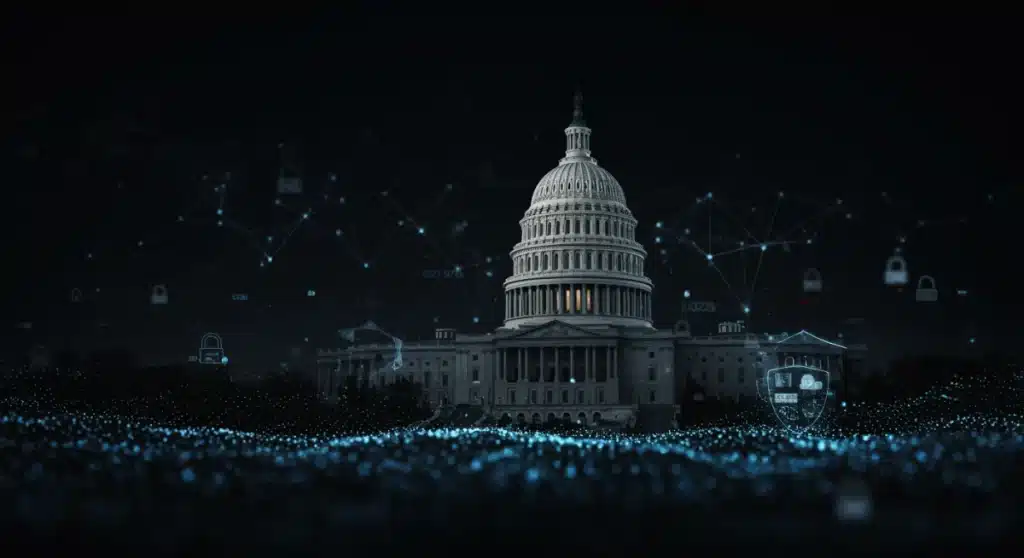
The dark web’s new frontiers in 2025 are characterised by increasingly sophisticated and interconnected threats, demanding urgent and adaptive national security responses from the US government and its allies.
As the digital landscape evolves, so too do its shadows, and understanding dark web threats is more critical than ever for US national security. The hidden corners of the internet are no longer just havens for petty criminals; they are fertile ground for sophisticated adversaries developing novel ways to undermine stability and security. This article delves into the top 10 emerging threats predicted to significantly impact the United States in 2025, providing recent updates and insights into their potential ramifications.
The Proliferation of AI-Powered Cyberattacks
The integration of artificial intelligence into cyber warfare is perhaps the most significant emerging threat from the dark web. Malicious actors are leveraging AI and machine learning to craft more potent and evasive attacks, making traditional defence mechanisms increasingly obsolete. This shift represents a paradigm change in cybersecurity, requiring a fundamental re-evaluation of defence strategies.
AI is being used to automate and scale attacks, allowing threat actors to target a wider range of victims with greater precision. It enables the creation of highly convincing phishing campaigns, the rapid development of new malware variants, and the autonomous exploration of network vulnerabilities. The speed and adaptability of AI-driven tools mean that defenders are constantly playing catch-up.
Advanced Phishing and Social Engineering
- Deepfake Technology: AI-generated audio and video are making social engineering attacks almost indistinguishable from legitimate communications, tricking even vigilant individuals.
- Automated Spear Phishing: AI can analyse vast amounts of public data to create highly personalised and effective spear-phishing emails, bypassing conventional filters.
- Behavioural Mimicry: AI algorithms can learn and imitate the communication patterns of trusted individuals, enhancing the success rate of impersonation scams.
The ability of AI to learn and adapt means that these attacks are not static; they evolve with each interaction, becoming more effective over time. This continuous improvement makes them particularly challenging to detect and mitigate, putting immense pressure on cybersecurity teams.
In conclusion, the rise of AI-powered cyberattacks fundamentally alters the threat landscape. It necessitates a proactive and adaptive defence posture, focusing on AI-driven detection systems and continuous threat intelligence to counter these sophisticated dark web threats effectively.
Weaponisation of Bio-Terror Information
The dark web has long been a marketplace for illicit goods, but in 2025, the trade and dissemination of information related to biological agents and their weaponisation pose a grave national security risk. Access to sophisticated scientific knowledge and even rudimentary methods for creating dangerous pathogens is becoming more widespread.
This threat is not solely about the physical acquisition of biological agents but also about the exchange of blueprints, methodologies, and expertise. Terrorist organisations and hostile state actors can leverage this information to develop or enhance bio-weapons programmes, potentially leading to devastating consequences for the US population.
Accessibility of Dangerous Data
Forums and hidden marketplaces on the dark web now offer detailed guides on pathogen synthesis, toxin production, and delivery mechanisms. This democratisation of dangerous knowledge lowers the barrier to entry for groups with malicious intent, increasing the likelihood of a bio-terror incident.
- Genetic Sequencing Data: Illegally obtained or shared genetic sequences for highly virulent pathogens can be traded, enabling research into weaponisation.
- Chemical Precursor Recipes: Recipes and instructions for synthesising dangerous chemicals and biological toxins are readily available, often with advice on sourcing materials.
- Delivery System Blueprints: Information on developing drones or other autonomous systems for disseminating biological agents can be found, increasing the sophistication of potential attacks.
The global nature of the dark web means that this information can originate from anywhere, making tracking and interception incredibly difficult. The US must enhance its intelligence gathering and counter-proliferation efforts to monitor and disrupt these dangerous exchanges.
The weaponisation of bio-terror information on the dark web represents a silent but potentially catastrophic threat. Vigilance, international cooperation, and advanced intelligence capabilities are crucial to mitigating this evolving danger to national security.
Emergence of Quantum Computing-Resistant Cryptography Exploits
As quantum computing advances, the dark web is beginning to see the early stages of exploits designed to break current encryption standards. While fully functional quantum computers are still some years away, the anticipation of their capabilities is already driving malicious innovation. This poses a long-term, existential threat to data security and national intelligence.
Current cryptographic protocols, which underpin secure communications, financial transactions, and classified data, are vulnerable to quantum attacks. The dark web provides a platform for researchers and state-sponsored actors to share and refine methods for exploiting these vulnerabilities, even before quantum machines are widely available.
Pre-Quantum Attack Strategies
Even without a fully operational quantum computer, adversaries are developing strategies to prepare for quantum decryption. This includes harvesting encrypted data now, with the intention of decrypting it later when quantum capabilities become mature.
- “Harvest Now, Decrypt Later”: Threat actors are collecting vast amounts of encrypted data, anticipating future quantum capabilities to decrypt it.
- Quantum Algorithm Development: Research and development into quantum algorithms capable of breaking current encryption are being shared and refined in clandestine forums.
- Side-Channel Attacks: Exploiting weaknesses in cryptographic implementations, rather than the algorithms themselves, can be enhanced with quantum-inspired techniques.
The race to develop quantum-resistant cryptography is ongoing, but the dark web’s role in accelerating the exploitation of existing vulnerabilities cannot be underestimated. The US government and critical infrastructure must begin transitioning to post-quantum cryptographic standards now to avoid future compromises.
In summary, the dark web’s engagement with quantum computing-resistant cryptography exploits signals a major future threat. Proactive migration to new cryptographic standards and continued research are essential to protect sensitive data from these advanced dark web threats.
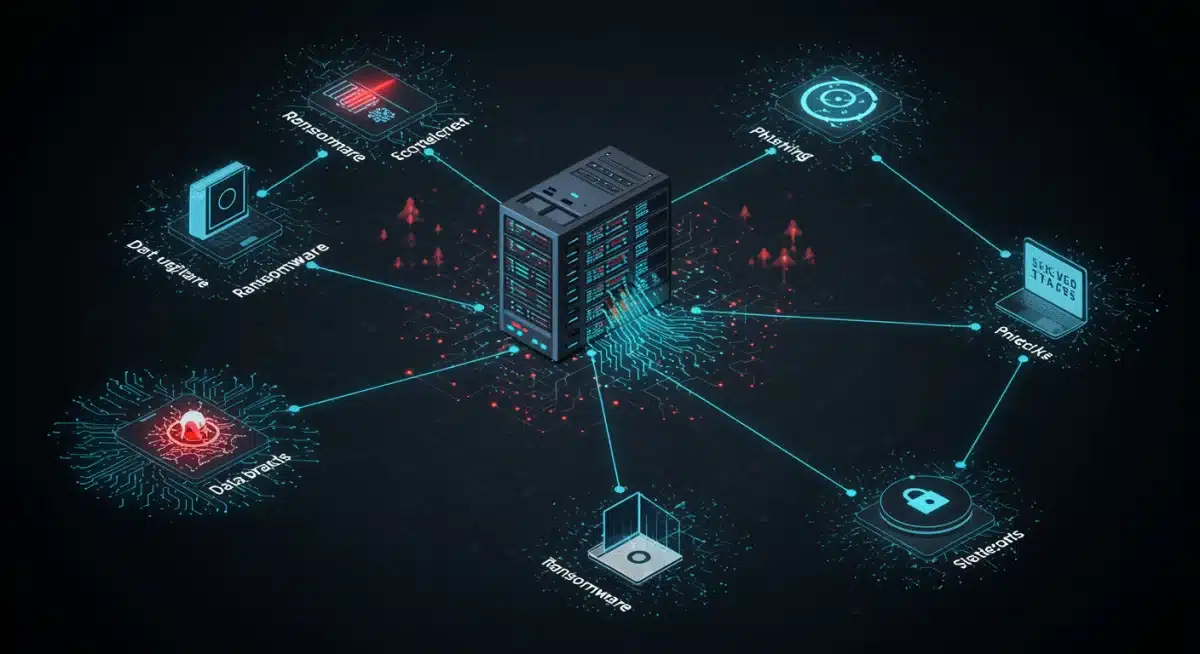
Sophisticated Ransomware-as-a-Service (RaaS) Ecosystems
Ransomware remains a pervasive threat, but by 2025, the dark web’s RaaS ecosystems will have evolved into highly professionalised and resilient operations. These services offer complete packages for cybercriminals, including sophisticated malware, infrastructure, and even customer support, making it easier for less technical individuals to launch devastating attacks.
The specialisation within these RaaS groups means greater efficiency and effectiveness. Developers focus on creating robust, undetectable ransomware, while affiliates handle distribution and negotiation. This division of labour allows for rapid scaling of attacks and increased profitability for all involved.
Enhanced RaaS Capabilities
- Managed Services: RaaS providers now offer comprehensive managed services, handling everything from initial compromise to cryptocurrency negotiation and decryption key delivery.
- Supply Chain Attacks: RaaS operators are increasingly targeting supply chains, understanding that compromising one vendor can lead to widespread impact across multiple organisations.
- Double Extortion 2.0: Beyond encrypting data, RaaS groups are refining tactics to exfiltrate sensitive information and threaten its public release if the ransom is not paid, increasing pressure on victims.
The anonymity provided by the dark web and cryptocurrencies allows these RaaS operations to thrive, posing a continuous and escalating threat to businesses, critical infrastructure, and government agencies in the US. Disrupting these ecosystems requires international law enforcement cooperation and advanced tracking capabilities.
The evolution of RaaS on the dark web into highly sophisticated ecosystems presents a formidable challenge. Combating this requires a multi-pronged approach, including improved cybersecurity defences, enhanced intelligence sharing, and aggressive disruption of the criminal infrastructure.
Illicit Trade in Zero-Day Exploits and Vulnerabilities
The dark web’s market for zero-day exploits and software vulnerabilities continues to grow, with increasingly high prices reflecting the demand from state-sponsored actors and sophisticated criminal groups. These exploits, unknown to software vendors, offer unparalleled access to systems and data, making them incredibly valuable and dangerous.
In 2025, the trade in these exploits is expected to become even more professionalised, with brokers acting as intermediaries and quality assurance processes ensuring the effectiveness and longevity of the vulnerabilities. This market directly undermines global cybersecurity by weaponising newly discovered flaws before patches can be developed.
Market Dynamics and Impact
The demand for zero-day exploits is driven by various actors, from intelligence agencies seeking to gain an advantage to criminal organisations aiming for maximum profit. The dark web facilitates this anonymous and lucrative trade, making it difficult to track the origin or intended use of these powerful tools.
- High-Value Targets: Exploits targeting widely used operating systems, popular applications, and critical infrastructure components fetch the highest prices.
- Brokerage Services: Specialised dark web brokers emerge, connecting sellers of zero-days with buyers, often performing due diligence on the exploit’s efficacy.
- Government Accumulation: Concerns persist about governments stockpiling zero-day exploits, rather than disclosing them, which could lead to their eventual leakage and weaponisation by adversaries.
The existence of this market means that even well-defended organisations can be compromised by previously unknown vulnerabilities. The US must invest in proactive threat intelligence and collaborate with international partners to monitor and disrupt the trade in these dangerous exploits.
The dark web’s illicit trade in zero-day exploits represents a critical vulnerability for US national security. Effective counter-measures demand a combination of robust vulnerability research, intelligence gathering, and international cooperation to mitigate the risks posed by these potent dark web threats.
State-Sponsored Disinformation Campaigns and Influence Operations
The dark web plays an increasingly pivotal role in state-sponsored disinformation campaigns and influence operations targeting the US. Beyond overt propaganda, these hidden networks are used to cultivate fake personas, spread divisive narratives, and manipulate public opinion through sophisticated, covert methods.
By 2025, these operations will leverage advanced AI for content generation and social media manipulation, making it harder to distinguish authentic information from malicious propaganda. The goal is often to sow discord, undermine trust in institutions, and influence political outcomes, posing a direct threat to democratic processes and national cohesion.
Advanced Tactics and Tools
State actors use the dark web to secure anonymous infrastructure, recruit agents, and coordinate complex influence operations, often employing a layered approach to evade detection.
- AI-Generated Content: Advanced AI models create hyper-realistic text, images, and videos for disinformation, tailored to specific demographics and belief systems.
- Botnet Utilisation: Large-scale botnets managed through the dark web amplify false narratives across social media platforms, creating an illusion of widespread support or dissent.
- Encrypted Communications: Secure dark web channels are used for coordination among operatives, making it challenging for intelligence agencies to track and disrupt these campaigns.
The insidious nature of these campaigns means they can erode public trust and destabilise society from within, without a single shot being fired. Protecting US national security requires a multi-faceted defence, including media literacy programmes, robust fact-checking, and aggressive identification and disruption of foreign influence operations.
In conclusion, state-sponsored disinformation campaigns facilitated by the dark web are a growing threat to US national security. Countering them demands a comprehensive strategy that combines technological defences with public education and aggressive intelligence operations.
| Key Threat | Brief Description |
|---|---|
| AI Cyberattacks | AI-powered phishing, malware, and autonomous vulnerability exploitation. |
| Bio-Terror Information | Trade of pathogen synthesis guides and bio-weaponisation knowledge. |
| Quantum-Resistant Exploits | Exploits preparing for quantum decryption of current encryption. |
| Ransomware-as-a-Service | Highly professionalised ecosystems offering complete ransomware attack packages. |
Frequently Asked Questions About Dark Web Threats
AI-powered cyberattacks are dangerous due to their ability to automate and scale, creating highly convincing phishing campaigns, rapidly developing new malware, and autonomously exploiting vulnerabilities. Their adaptive nature makes them difficult to detect and mitigate, posing a significant challenge to traditional cybersecurity defences.
The dark web facilitates bio-terror threats by hosting forums and marketplaces where information on pathogen synthesis, toxin production, and biological agent delivery systems is traded. This democratises dangerous knowledge, lowering the barrier for malicious actors to develop or enhance bio-weapons programmes, increasing the risk of incidents.
The ‘Harvest Now, Decrypt Later’ strategy involves threat actors collecting vast amounts of currently encrypted data. They store this data with the intention of decrypting it in the future, once quantum computing capabilities mature enough to break existing cryptographic standards. This poses a long-term threat to data security.
RaaS ecosystems are a growing concern because they professionalise ransomware operations, offering complete packages including malware, infrastructure, and support. This makes it easier for less technical individuals to launch devastating attacks, leading to a proliferation of ransomware incidents and increased profitability for criminal groups.
State-sponsored disinformation campaigns on the dark web leverage anonymous infrastructure and AI to spread divisive narratives, manipulate public opinion, and undermine trust in institutions. These operations threaten democratic processes, national cohesion, and can indirectly influence political outcomes, posing a significant non-kinetic national security risk.
Conclusion
The dark web’s evolving landscape presents a complex and multifaceted challenge to US national security in 2025. From the sophisticated intelligence of AI-powered cyberattacks and the chilling potential of bio-terror information to the long-term threat of quantum-resistant exploits and the insidious nature of disinformation campaigns, the threats are more diverse and potent than ever before. Addressing these challenges requires a dynamic and collaborative approach, combining advanced technological defences, robust intelligence gathering, international cooperation, and public awareness. Only through continuous vigilance and adaptive strategies can the US hope to safeguard its interests and protect its citizens from the ever-darkening shadows of the internet’s hidden frontiers.