Zero-Day Exploits 2026: Protecting US Critical Infrastructure from Advanced Threats

Zero-Day Exploits in 2026: Identifying and Mitigating the Latest US Critical Infrastructure Vulnerabilities – Insider Knowledge Reveals 3 Key Strategies
The year 2026 looms large on the horizon of cybersecurity, bringing with it an escalating threat landscape, particularly concerning Zero-Day Exploits 2026. For the United States’ critical infrastructure sectors – spanning energy, transportation, healthcare, and finance – the stakes have never been higher. These systems, vital for national security and economic stability, are increasingly targeted by sophisticated adversaries leveraging previously unknown vulnerabilities. The ability to identify, understand, and rapidly mitigate these zero-day threats is not merely a technical challenge; it is a strategic imperative.
This article delves deep into the anticipated nature of Zero-Day Exploits 2026, offering insider knowledge and actionable strategies to bolster the defenses of US critical infrastructure. We will explore the evolving tactics of threat actors, the specific vulnerabilities they are likely to target, and – crucially – three key strategies that organisations must adopt to stay ahead of the curve. From advanced threat intelligence to proactive vulnerability management and resilient incident response, preparing for Zero-Day Exploits 2026 requires a multi-faceted and dynamic approach.
The Evolving Landscape of Zero-Day Exploits in 2026
As we approach 2026, the characteristics of zero-day exploits are becoming more refined and insidious. Gone are the days when such vulnerabilities were solely the domain of nation-state actors; now, a broader spectrum of sophisticated criminal groups and even highly resourced hacktivist organisations possess the capabilities to discover and weaponise zero-day flaws. This democratisation of advanced attack techniques means that critical infrastructure entities face a wider array of adversaries, each with distinct motivations and operational methodologies.
Increased Sophistication and Automation
One of the most significant trends anticipated for Zero-Day Exploits 2026 is the increased use of artificial intelligence (AI) and machine learning (ML) by attackers to discover vulnerabilities. Automated tools can scan vast codebases, analyse network protocols, and even fuzz devices more efficiently than human researchers, significantly reducing the time and cost associated with zero-day discovery. This means that vulnerabilities might be found and exploited faster, shrinking the window of opportunity for defenders to react.
Supply Chain & Third-Party Risk Amplification
Critical infrastructure relies heavily on complex supply chains and third-party vendors for software, hardware, and services. A single zero-day vulnerability in a widely used component or a vendor’s system can create a ripple effect, compromising numerous interconnected critical infrastructure organisations simultaneously. Attackers are increasingly targeting these weaker links, understanding that a successful breach of a supplier can grant them access to multiple high-value targets. This makes supply chain security a paramount concern when considering Zero-Day Exploits 2026.
Operational Technology (OT) and Industrial Control Systems (ICS) as Prime Targets
While IT systems remain targets, the focus for critical infrastructure attacks is increasingly shifting towards Operational Technology (OT) and Industrial Control Systems (ICS). These systems, responsible for managing physical processes – from power grids to water treatment plants – often have longer lifecycles, proprietary protocols, and less robust security update mechanisms compared to traditional IT. A successful zero-day exploit against an ICS component could lead to catastrophic physical damage, widespread service disruption, or even loss of life. Understanding the unique attack surface of OT/ICS environments is crucial for mitigating Zero-Day Exploits 2026.
Geopolitical Motivations and Cyber Warfare
The geopolitical landscape of 2026 will undoubtedly influence the nature and frequency of zero-day attacks. Nation-state actors will continue to leverage these exploits as tools for espionage, sabotage, and pre-positioning within adversary networks. Critical infrastructure, being a cornerstone of national power, will remain a primary target in this ongoing cyber warfare. Defenders must be acutely aware of the geopolitical context and the potential for state-sponsored actors to deploy sophisticated Zero-Day Exploits 2026 with strategic objectives.
Identifying Vulnerabilities: The Proactive Stance
Effective defense against Zero-Day Exploits 2026 begins with a proactive and continuous effort to identify potential vulnerabilities before adversaries do. This requires moving beyond traditional perimeter defenses and embracing advanced strategies that delve into the core of systems and networks.
Strategy 1: Advanced Threat Intelligence and Predictive Analytics
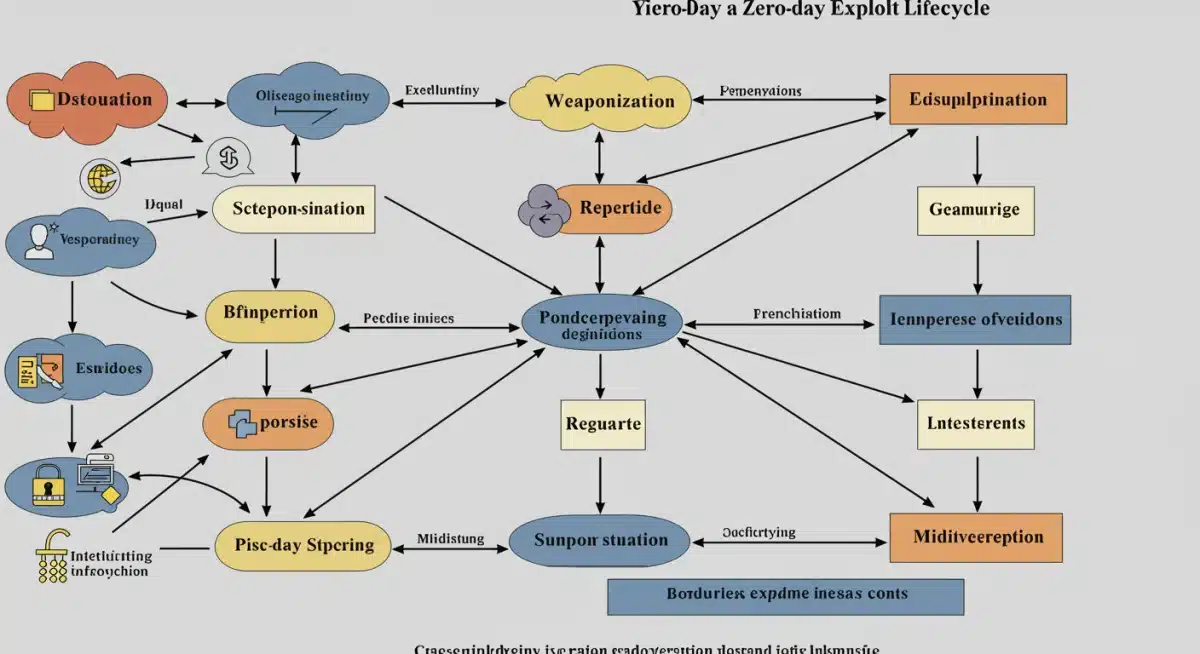
In the fight against Zero-Day Exploits 2026, raw data is insufficient; actionable intelligence is key. Organizations must invest in and leverage advanced threat intelligence platforms that go beyond simply cataloging known threats. These platforms should incorporate predictive analytics, AI/ML-driven anomaly detection, and deep web/dark web monitoring to anticipate emerging attack vectors and potential zero-day disclosures.
Key Components of Advanced Threat Intelligence:
- Early Warning Systems: Subscribing to and actively participating in threat intelligence sharing communities (e.g., ISACs, government agencies) provides early warnings about potential vulnerabilities being discussed by researchers or exploited in the wild.
- Behavioural Analytics: Monitoring network and system behaviour for deviations from baselines can indicate the presence of an unknown exploit attempting to gain traction. This involves observing process execution, file access patterns, and network traffic for suspicious activities that don’t match known good behaviour.
- Vulnerability Research & Exploitation Trends: Staying abreast of the latest vulnerability research, exploit development techniques, and observed attack trends helps security teams anticipate where the next zero-day might emerge. This includes following security conferences, academic research, and hacker forums.
- Adversary Profiling: Understanding the capabilities, motivations, and typical targets of potential adversaries can inform where to focus defensive efforts. If certain groups are known to target specific industrial control systems, intelligence should be tailored to those technologies.
- AI/ML for Anomaly Detection: Deploying AI and ML models that learn normal system behaviour and flag anomalies with high precision can significantly reduce the detection time for zero-day activity. These systems can identify subtle indicators that human analysts might miss.
By integrating these components, critical infrastructure operators can build a robust intelligence framework that provides an early – albeit often incomplete – picture of potential Zero-Day Exploits 2026, allowing for preparatory measures.
Mitigating the Impact: Building Resilient Defenses
Even with the best identification strategies, the nature of zero-day exploits means that some will inevitably bypass initial defenses. Therefore, robust mitigation strategies are essential to limit the impact and ensure rapid recovery.
Strategy 2: Proactive Vulnerability Management and "Assume Breach" Mentality
A proactive vulnerability management program, paired with an "assume breach" mentality, forms the backbone of effective mitigation against Zero-Day Exploits 2026. This strategy acknowledges that perfect prevention is impossible and focuses on reducing the attack surface, containing breaches, and enabling rapid recovery.
Key Elements of Proactive Vulnerability Management:
- Continuous Asset Discovery and Inventory: You cannot protect what you don’t know exists. Critical infrastructure organisations must maintain an accurate, up-to-date inventory of all IT and OT assets, including hardware, software, firmware versions, and network configurations.
- Regular Penetration Testing and Red Teaming: Beyond automated vulnerability scanning, regular manual penetration testing and red teaming exercises – specifically designed to emulate advanced persistent threats (APTs) and zero-day scenarios – are crucial. These exercises help uncover subtle flaws and misconfigurations that automated tools might miss.
- Secure Configuration Management: Implementing and enforcing strict secure configuration baselines across all systems significantly reduces the attack surface. This includes disabling unnecessary services, closing unused ports, and applying the principle of least privilege.
- Patch Management & Virtual Patching: While zero-days, by definition, lack patches, maintaining a rigorous patch management schedule for known vulnerabilities reduces the overall attack surface. For zero-days, virtual patching (implementing network or host-based intrusion prevention rules to block known exploit patterns) can provide temporary protection until an official patch is released.
- Micro-segmentation: Implementing network micro-segmentation isolates critical assets and limits lateral movement for attackers who successfully exploit a zero-day vulnerability. If one segment is breached, the attacker’s ability to reach other vital systems is severely hampered. This is particularly critical for OT/ICS environments.
- Application Whitelisting: For highly sensitive systems, particularly in OT environments, application whitelisting ensures that only approved executables can run, effectively preventing the execution of malicious zero-day payloads.
Strategy 3: Resilient Incident Response and Recovery Planning
The final, and perhaps most critical, strategy for combating Zero-Day Exploits 2026 is the development and continuous refinement of a highly resilient incident response and recovery plan. When a zero-day hits, the speed and effectiveness of the response determine the extent of the damage.
Core Components of Resilient Incident Response:
- Dedicated Incident Response Team (IRT): A well-trained, adequately resourced IRT with clear roles and responsibilities is paramount. This team should include specialists in forensic analysis, malware analysis, network security, and OT security.
- Playbooks for Zero-Day Scenarios: Developing specific playbooks for zero-day incidents, even without knowing the exact exploit, helps guide the IRT. These playbooks should cover initial detection, containment, eradication, recovery, and post-incident analysis.
- Offline Backups and Redundant Systems: Regular, tested, and air-gapped backups are non-negotiable. In the event of a catastrophic zero-day exploit that compromises primary systems, the ability to restore from clean backups is vital for business continuity. Redundant systems and failover mechanisms also ensure service availability.
- Forensic Capabilities: The ability to conduct thorough forensic analysis to understand the root cause, scope, and impact of a zero-day exploit is crucial for preventing future attacks and for legal/regulatory compliance. This includes maintaining detailed logs and having the tools and expertise to analyse them.
- Communication Plan: A clear communication plan for internal stakeholders, regulatory bodies, law enforcement, and the public is essential during a zero-day incident. Transparency, where appropriate, can build trust and manage reputational damage.
- Continuous Training and Simulation: Regular tabletop exercises and full-scale simulations of zero-day attack scenarios help teams practice their response, identify weaknesses in plans, and improve coordination. The threat landscape for Zero-Day Exploits 2026 will continue to evolve, so training must be continuous.
The Intersection of IT and OT Security for Zero-Day Exploits 2026
A critical aspect of preparing for Zero-Day Exploits 2026 in critical infrastructure is the convergence of IT and OT security. Historically, these domains operated in silos, with distinct technologies, protocols, and security philosophies. However, as OT systems become more interconnected and leverage IT technologies, the attack surface expands, making the traditional separation unsustainable.
Bridging the Gap: Unified Security Operations Centres (SOCs)
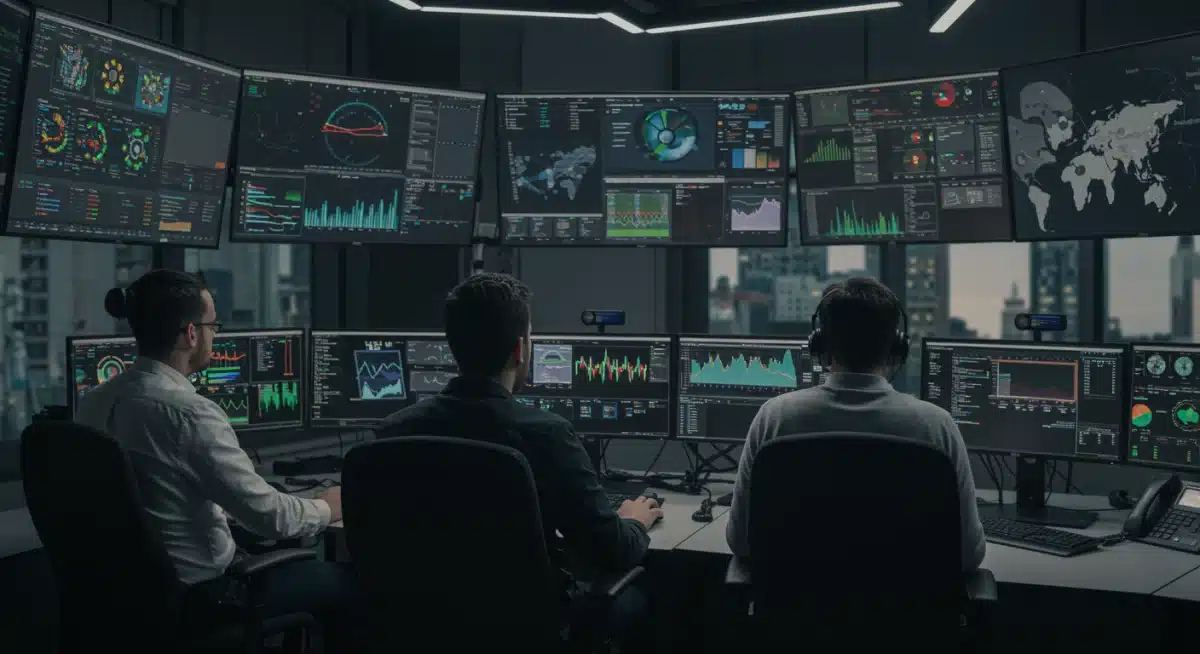
To effectively combat zero-day threats, critical infrastructure organisations must work towards integrating IT and OT security operations. This includes establishing unified Security Operations Centres (SOCs) that have visibility into both environments, leveraging common threat intelligence feeds, and coordinating incident response across both domains. Training IT security personnel on OT-specific threats and protocols, and vice-versa, is crucial.
Secure System Design and "Security by Design"
For new critical infrastructure projects and upgrades, adopting a "security by design" philosophy is paramount. This means embedding security considerations – including resilience against unknown vulnerabilities – from the initial design phase, rather than attempting to bolt on security as an afterthought. This helps in building systems that are inherently more resistant to Zero-Day Exploits 2026.
Regulatory Landscape and Compliance for 2026
The regulatory environment surrounding critical infrastructure cybersecurity is also evolving. Governments and regulatory bodies are increasingly implementing stricter requirements for vulnerability identification, risk assessment, and incident reporting. Organisations must stay abreast of these changes and ensure their defenses against Zero-Day Exploits 2026 not only meet but exceed compliance standards.
Challenges and Future Outlook
Despite these strategies, several challenges persist in the fight against Zero-Day Exploits 2026:
- Talent Gap: A persistent shortage of skilled cybersecurity professionals, particularly those with expertise in OT security, continues to hamper defensive capabilities.
- Legacy Systems: Many critical infrastructure components are decades old, making them difficult to patch, update, or replace, leaving them vulnerable to zero-day attacks.
- Funding and Investment: Adequate funding for advanced security tools, training, and personnel is often a limiting factor for many organisations.
- Information Sharing Barriers: While improving, barriers to effective and timely information sharing about zero-day threats between government, industry, and international partners can hinder collective defense efforts.
Looking ahead to 2026 and beyond, the battle against zero-day exploits will remain a dynamic and continuous challenge. The ingenuity of attackers will continue to evolve, demanding equal – if not greater – ingenuity from defenders. The focus must shift from merely reacting to known threats to proactively anticipating, detecting, and mitigating the unknown.
Conclusion: A Call to Action for Critical Infrastructure
The threat of Zero-Day Exploits 2026 to US critical infrastructure is not theoretical; it is a clear and present danger that requires immediate and sustained attention. By embracing advanced threat intelligence, implementing proactive vulnerability management with an "assume breach" mentality, and developing highly resilient incident response and recovery plans, critical infrastructure operators can significantly enhance their defensive posture.
These three strategies – advanced threat intelligence, proactive vulnerability management, and resilient incident response – are not isolated components but interconnected pillars of a comprehensive cybersecurity framework. Success in protecting vital national assets against Zero-Day Exploits 2026 will depend on continuous investment, cross-sector collaboration, and a unwavering commitment to cybersecurity excellence. The future of US critical infrastructure security hinges on our collective ability to anticipate, adapt, and overcome the sophisticated challenges posed by these stealthy and potent cyber weapons.