Supply Chain Vulnerabilities: 3 Critical Threats US Companies Face
US companies must urgently address three critical emerging supply chain vulnerabilities—geopolitical realignments, sophisticated cyber attacks, and climate-driven disruptions—by Q2 2025 to fortify resilience and ensure operational continuity.
The intricate web of modern commerce means that for US companies, safeguarding the flow of goods and services is paramount. However, new and evolving challenges are constantly emerging, making it crucial to understand and proactively address supply chain vulnerabilities. By Q2 2025, several critical threats demand immediate attention and robust, practical solutions to ensure business continuity and competitive advantage.
The Shifting Sands of Geopolitical Instability
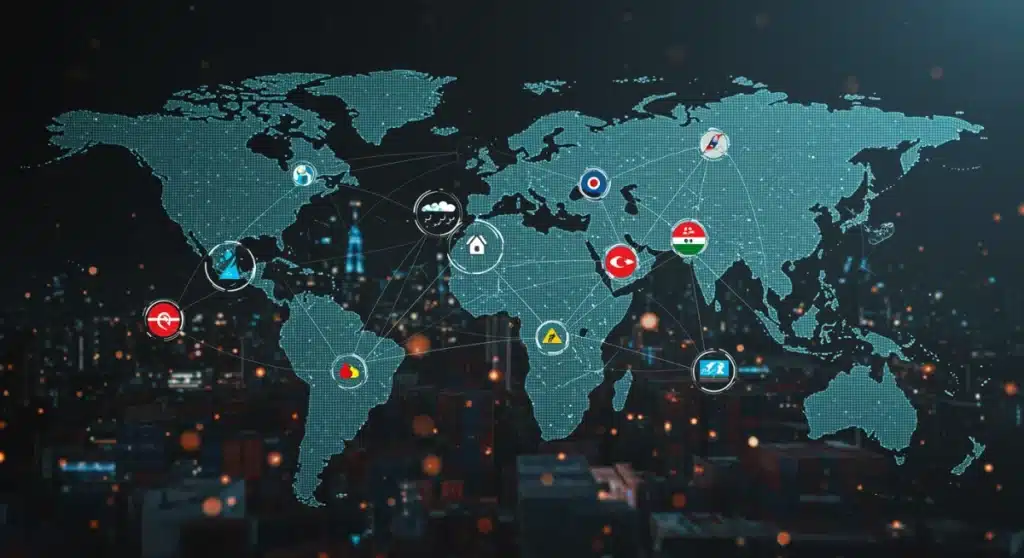
Geopolitical shifts are no longer distant concerns but immediate threats that directly impact global supply chains. The current international landscape, marked by trade disputes, regional conflicts, and evolving alliances, creates an unpredictable environment for US businesses reliant on international sourcing and distribution. This instability can lead to sudden policy changes, sanctions, and logistical bottlenecks, significantly disrupting operations.
Understanding the nuances of these geopolitical shifts is the first step towards building a resilient supply chain. Companies must move beyond a reactive stance, anticipating potential flashpoints and diversifying their strategic partnerships to mitigate risks effectively.
Diversifying Sourcing and Manufacturing Geographies
Relying heavily on a single region or country for critical components or finished goods is a recipe for disaster in today’s volatile world. Geopolitical tensions can escalate rapidly, leading to export bans, increased tariffs, or even direct interference with transportation routes. Diversifying operations across multiple stable regions significantly reduces this exposure.
- Identify high-risk regions: Conduct regular assessments of geopolitical stability in key sourcing locations.
- Develop alternative suppliers: Establish relationships with vendors in different countries or even domestically.
- Invest in regional hubs: Consider nearshoring or friend-shoring to reduce transit times and political exposure.
- Map critical components: Understand the origin of every essential part of your product to identify single points of failure.
This proactive diversification not only cushions against geopolitical shocks but can also foster innovation by tapping into new markets and knowledge bases. It requires a significant upfront investment but offers substantial long-term protection against unforeseen disruptions.
Navigating Trade Disputes and Sanctions
The weaponisation of trade policies, including tariffs and sanctions, has become a common tool in geopolitical contests. US companies, particularly those with international suppliers or customers, are often caught in the crossfire. Compliance with rapidly changing regulations is complex and non-compliance can result in severe penalties, reputational damage, and operational paralysis.
Companies need robust legal and compliance frameworks to navigate this intricate terrain. This includes staying abreast of international trade laws, understanding the implications of various sanctions regimes, and implementing agile processes to adapt to new restrictions swiftly. Engaging with trade experts and legal counsel is essential to ensure adherence and minimise disruption.
The unpredictability of global politics means that constant vigilance and adaptability are not just desirable but absolutely necessary for maintaining a stable supply chain. Proactive risk management, rather than reactive crisis control, will define the success of US companies in this new era.
The Escalating Threat of Advanced Cyber Attacks
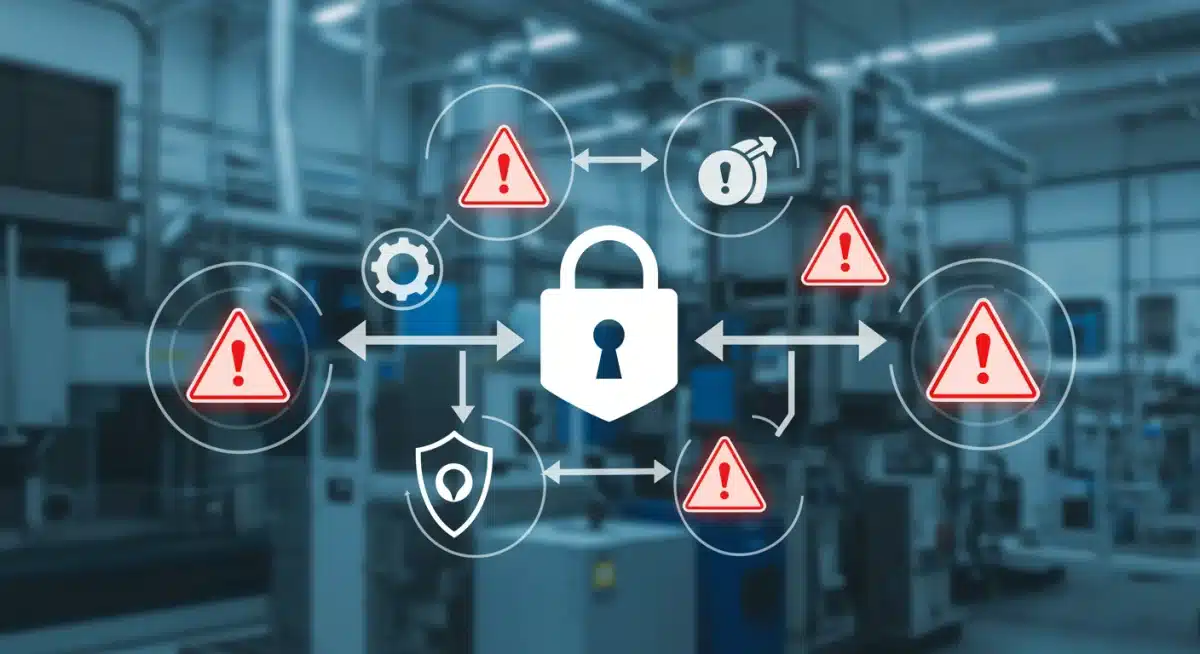
As supply chains become increasingly digitised and interconnected, they present an expanding attack surface for cyber criminals and state-sponsored actors. Advanced cyber attacks are no longer just about data breaches; they aim to disrupt operations, steal intellectual property, and hold entire networks hostage. The interconnected nature of modern supply chains means a vulnerability in one partner’s system can compromise the entire chain.
The sophistication of these attacks is growing, with tactics such as ransomware, supply chain software exploits, and phishing campaigns becoming more targeted and effective. US companies must recognise that their cyber defences are only as strong as the weakest link in their extended network.
Fortifying Digital Infrastructure Across the Ecosystem
A comprehensive cybersecurity strategy extends beyond a company’s internal network to encompass all third-party vendors, suppliers, and logistics partners. This requires a collaborative approach to security, ensuring that every entity within the supply chain adheres to robust cyber hygiene and security protocols.
- Implement strong vendor risk management: Regularly audit and assess the cybersecurity posture of all suppliers and partners.
- Mandate security standards: Require partners to comply with specific cybersecurity frameworks (e.g., NIST, ISO 27001).
- Conduct joint incident response planning: Develop shared protocols for detecting, responding to, and recovering from cyber incidents.
- Invest in advanced threat detection: Utilise AI-driven tools to identify anomalous behaviour and potential threats in real-time across the network.
Building a culture of shared responsibility for cybersecurity is crucial. This involves not only technical safeguards but also ongoing training and awareness programmes for all stakeholders in the supply chain.
Protecting Against Software Supply Chain Attacks
Software supply chain attacks, where malicious code is injected into legitimate software updates or components, are particularly insidious. These attacks can bypass traditional perimeter defences, compromising countless systems downstream without initial detection. The SolarWinds attack served as a stark reminder of the devastating potential of such vulnerabilities.
To counter this, companies must implement rigorous software verification processes. This includes verifying the integrity of all software components, using secure development lifecycle (SDLC) practices, and employing tools for software composition analysis to detect known vulnerabilities and malicious code within third-party libraries. Furthermore, adopting a ‘zero-trust‘ security model, where no entity is inherently trusted, can significantly enhance protection against these advanced threats.
The battle against cyber threats is ongoing and constantly evolving. US companies must allocate sufficient resources, expertise, and strategic foresight to ensure their digital supply chain remains resilient against increasingly sophisticated adversaries. A proactive, collaborative, and continuously evolving cybersecurity posture is non-negotiable.
Climate-Induced Disruptions and Resource Scarcity
The accelerating pace of climate change is no longer a distant environmental concern but a direct and growing threat to global supply chains. Extreme weather events, such as hurricanes, floods, droughts, and unprecedented heatwaves, are causing widespread infrastructure damage, disrupting transportation networks, and impacting agricultural yields. These events can lead to raw material shortages, production delays, and soaring logistics costs, all of which directly affect US companies.
Beyond acute weather events, long-term climate shifts are also contributing to resource scarcity, particularly concerning water, rare earth minerals, and certain agricultural commodities. This scarcity can drive up prices, limit availability, and introduce new ethical considerations into sourcing strategies.
Building Climate-Resilient Infrastructure and Logistics
Companies need to assess the climate vulnerability of their physical assets and transportation routes. This involves understanding how future climate scenarios might impact key operational hubs, manufacturing facilities, and critical logistics corridors. Investing in climate-resilient infrastructure is no longer an option but a necessity for long-term operational stability.
- Relocate or reinforce vulnerable assets: Move facilities out of flood plains or reinforce structures against extreme winds.
- Diversify transportation modes: Reduce reliance on single modes of transport susceptible to weather events.
- Develop regional logistics networks: Create decentralised distribution hubs to bypass affected areas during disruptions.
- Implement advanced weather forecasting: Use predictive analytics to anticipate and prepare for severe weather events.
These investments, while substantial, provide a crucial safeguard against the increasing frequency and intensity of climate-related disruptions, ensuring continuity even in challenging environmental conditions.
Strategic Sourcing for Resource Scarcity
The increasing scarcity of critical resources demands a fundamental shift in sourcing strategies. Companies must identify their most resource-intensive inputs and explore alternative materials, recycling programmes, and sustainable sourcing options. This not only mitigates supply risks but also aligns with growing consumer and regulatory demands for environmentally responsible practices.
This includes investing in research and development for new materials, forming partnerships with suppliers committed to sustainable extraction and production, and exploring circular economy models to reduce reliance on finite resources. Proactive engagement with these challenges can transform potential weaknesses into sources of competitive advantage, positioning companies as leaders in sustainability and resilience.
Addressing climate-induced disruptions requires a holistic approach that integrates environmental considerations into every aspect of supply chain planning. From infrastructure development to sourcing strategies, companies must build resilience against the unavoidable impacts of a changing climate, ensuring long-term viability and ethical responsibility.
Enhancing Visibility and Transparency
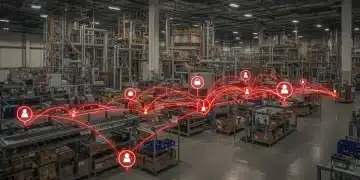
A fundamental weakness in many supply chains is a lack of end-to-end visibility. Without clear insight into every tier of their supply network, US companies struggle to identify and mitigate risks effectively. This opaque nature can hide vulnerabilities related to geopolitical events, cyber threats, and climate impacts, making it difficult to respond swiftly when disruptions occur.
Achieving true transparency requires leveraging technology and fostering strong collaborative relationships with all supply chain partners. It’s about moving beyond simply knowing your immediate suppliers to understanding the origins and journey of every critical component.
Leveraging Digital Tools for Real-time Tracking
Modern digital tools offer unprecedented capabilities for enhancing supply chain visibility. Technologies such as blockchain, AI-powered analytics, and IoT sensors can provide real-time data on the location, condition, and status of goods, as well as critical information about supplier performance and compliance. This granular level of insight is invaluable for proactive risk management.
- Implement blockchain for traceability: Create an immutable record of product origins and movements, enhancing trust and transparency.
- Deploy IoT sensors: Monitor environmental conditions, location, and tampering for sensitive goods in transit.
- Utilise AI for predictive analytics: Forecast potential disruptions by analysing vast datasets on weather patterns, geopolitical events, and supplier performance.
- Integrate data across platforms: Create a centralised dashboard for a holistic view of the entire supply chain.
By adopting these technologies, companies can move from reactive problem-solving to proactive risk mitigation, identifying potential issues before they escalate into major disruptions.
Fostering Collaborative Information Sharing
Technology alone is insufficient without a culture of collaboration and trust. Supply chain visibility is a two-way street; partners must be willing to share relevant data and insights. This requires establishing clear communication protocols, data-sharing agreements, and a commitment to mutual success.
Building these collaborative relationships involves fostering long-term partnerships rather than transactional ones. Regular communication, joint risk assessments, and shared goals can create a more resilient and responsive ecosystem. Transparency from all parties allows for collective problem-solving and a more robust response to any emerging threat.
Ultimately, enhanced visibility and transparency are not just about tracking goods; they are about understanding the entire ecosystem in which a business operates. This holistic view empowers US companies to make informed decisions, build stronger partnerships, and navigate the complex landscape of modern supply chain vulnerabilities with greater confidence.
Developing Agile and Adaptive Supply Chain Strategies
In an era of constant change, rigid, static supply chain models are inherently vulnerable. US companies must cultivate agility and adaptability to pivot quickly in response to unforeseen events, whether they are geopolitical shocks, cyber attacks, or climate-induced disruptions. This means moving away from optimising solely for cost efficiency towards building inherent flexibility and responsiveness.
An agile supply chain is characterised by its ability to sense changes, make rapid decisions, and reconfigure operations with minimal disruption. It’s about creating a system that can absorb shocks and recover quickly, rather than being paralysed by them.
Implementing Scenario Planning and Stress Testing
Proactive scenario planning is a critical tool for building an adaptive supply chain. This involves imagining a range of potential disruptions – from a major port closure to a widespread cyber attack – and developing contingency plans for each. Stress testing these plans allows companies to identify weaknesses and refine their responses before a real crisis hits.
- Define critical scenarios: Identify the most impactful potential disruptions relevant to your supply chain.
- Develop multi-layered responses: Create primary, secondary, and tertiary plans for each scenario.
- Simulate disruptions: Conduct tabletop exercises or digital simulations to test the effectiveness of contingency plans.
- Evaluate and refine: Use insights from stress testing to continuously improve resilience strategies.
This iterative process ensures that the supply chain is not only prepared for known risks but also possesses the flexibility to adapt to novel threats that may emerge.
Fostering a Culture of Continuous Improvement and Innovation
Agility is not a one-time achievement but an ongoing commitment to learning and adaptation. Companies must foster a culture where continuous improvement and innovation are embedded in supply chain operations. This means encouraging employees to identify potential vulnerabilities, experiment with new technologies, and challenge existing processes.
Investing in training for supply chain professionals, encouraging cross-functional collaboration, and creating channels for feedback are all vital components of this culture. By empowering teams to think creatively and proactively, businesses can build a supply chain that not only reacts to change but actively anticipates and shapes its future.
The ability to adapt quickly and effectively is the hallmark of a resilient supply chain in the 21st century. By embracing scenario planning and fostering a culture of continuous improvement, US companies can transform vulnerabilities into opportunities for innovation and sustained competitive advantage.
The Role of Government and Industry Collaboration
Addressing the complex and interconnected nature of modern supply chain vulnerabilities requires more than individual company efforts; it demands strong collaboration between government agencies and industry stakeholders. Public-private partnerships can facilitate information sharing, coordinate responses to large-scale disruptions, and establish common standards for security and resilience.
Government bodies can play a crucial role in providing intelligence on emerging threats, establishing regulatory frameworks, and investing in critical infrastructure. Industry, in turn, brings practical expertise, technological innovation, and direct experience from the front lines of global commerce.
Information Sharing and Threat Intelligence
One of the most powerful tools in combating supply chain threats is timely and accurate information. Government agencies often possess intelligence on geopolitical shifts, cyber threat actors, and potential natural disasters that individual companies may not have access to. Establishing secure channels for sharing this threat intelligence can significantly enhance the preparedness of US businesses.
- Join industry-specific ISACs/ISAOs: Participate in Information Sharing and Analysis Centres/Organisations to receive and share threat intelligence.
- Engage with government agencies: Collaborate with bodies like CISA (Cybersecurity and Infrastructure Security Agency) and the Department of Commerce.
- Contribute to collective knowledge: Share anonymised data on incidents and best practices to strengthen the overall ecosystem.
Such collaboration creates a collective defence mechanism, allowing for a more rapid and coordinated response to widespread threats, minimising their impact across multiple sectors.
Policy and Standardisation Initiatives
Governments can also drive improvements in supply chain resilience through policy and standardisation. This includes developing clear guidelines for cybersecurity practices, promoting sustainable sourcing, and investing in infrastructure projects that bolster logistics capabilities. These initiatives can create a level playing field and encourage widespread adoption of best practices.
Working together, industry and government can identify critical vulnerabilities within national supply chains and implement strategic interventions. This might involve incentivising domestic production of key components, streamlining customs processes, or investing in advanced training programmes for the workforce. The goal is to create a robust and secure national supply chain ecosystem capable of weathering future storms.
The synergy between public and private sectors is indispensable for building truly resilient supply chains. By combining governmental oversight and strategic intelligence with industry innovation and agility, US companies can collectively address the formidable challenges posed by emerging threats, securing their future and the nation’s economic stability.
Investing in Human Capital and Expertise
While technology and robust processes are vital, the human element remains the cornerstone of a resilient supply chain. The complexity of modern supply chain management requires a highly skilled and adaptable workforce capable of navigating geopolitical intricacies, sophisticated cyber threats, and dynamic environmental challenges. Investing in human capital and fostering expertise is paramount for US companies aiming to address emerging vulnerabilities.
A well-trained team can identify subtle risks, innovate solutions, and execute complex contingency plans effectively. Without the right people, even the most advanced systems and strategies can fall short.
Developing a Skilled Workforce for Future Challenges
The skills required in supply chain management are evolving rapidly. Beyond traditional logistics and procurement, professionals now need expertise in data analytics, cybersecurity, geopolitical analysis, and climate risk assessment. Companies must proactively invest in upskilling their existing workforce and attracting new talent with these specialised competencies.
- Implement continuous training programmes: Provide ongoing education on emerging threats, new technologies, and best practices.
- Foster cross-functional collaboration: Encourage supply chain teams to work closely with IT, legal, and sustainability departments.
- Invest in leadership development: Train leaders to manage complex, global supply chains and lead through crises.
- Recruit diverse talent: Seek individuals with varied backgrounds and skill sets, including those with international relations or cybersecurity expertise.
A skilled and knowledgeable workforce is the first line of defence against emerging supply chain vulnerabilities, capable of adapting to new challenges and driving continuous improvement.
Cultivating a Culture of Risk Awareness and Proactive Thinking
Beyond specific technical skills, it is crucial to cultivate a mindset of risk awareness and proactive thinking throughout the organisation. Every employee, from the warehouse floor to the executive suite, should understand their role in maintaining supply chain integrity and be empowered to report potential issues.
This involves regular communication about global risks, scenario-based training exercises, and creating an environment where questioning assumptions and suggesting improvements are encouraged. A culture that embraces continuous learning and adapts to evolving threats is far more resilient than one that relies solely on static protocols.
By prioritising the development of human capital and fostering a proactive, risk-aware culture, US companies can equip themselves with the intelligence, adaptability, and leadership necessary to effectively manage the dynamic landscape of supply chain vulnerabilities, securing their operations for the future.
| Key Threat | Brief Description |
|---|---|
| Geopolitical Instability | Trade disputes, sanctions, and conflicts disrupting global sourcing and logistics. |
| Advanced Cyber Attacks | Sophisticated breaches and ransomware targeting interconnected digital supply chains. |
| Climate-Induced Disruptions | Extreme weather and resource scarcity impacting infrastructure and raw material availability. |
Frequently Asked Questions About Supply Chain Vulnerabilities
The primary emerging vulnerabilities include escalating geopolitical instability, sophisticated advanced cyber attacks targeting digital infrastructure, and increasing climate-induced disruptions such as extreme weather events and resource scarcity. These threats demand immediate strategic attention and proactive mitigation from US companies.
Geopolitical instability can lead to trade wars, sanctions, tariffs, and political interference with logistics. This results in supply delays, increased costs, and access restrictions to crucial markets or raw materials. Diversifying sourcing and establishing regional hubs are essential countermeasures.
Companies should implement strong vendor risk management, mandate security standards for partners, conduct joint incident response planning, and invest in advanced threat detection tools. Protecting against software supply chain attacks through rigorous verification and a zero-trust model is also crucial.
Climate change causes extreme weather events that damage infrastructure and disrupt transportation. It also leads to resource scarcity, affecting raw material availability and prices. Companies must build climate-resilient infrastructure and adopt strategic sourcing for scarce resources to mitigate these impacts.
Enhanced visibility and transparency provide real-time insight into every tier of the supply chain, enabling companies to identify and anticipate risks from geopolitical, cyber, or climate events. Leveraging digital tools and fostering collaborative information sharing are key to achieving this crucial oversight.
Conclusion
The landscape of global commerce is undeniably fraught with complexity, and for US companies, proactively addressing supply chain vulnerabilities is no longer a strategic option but an operational imperative. The confluence of geopolitical instability, advanced cyber threats, and climate-induced disruptions presents a formidable challenge that demands immediate, comprehensive, and adaptive solutions. By Q2 2025, businesses that have invested in diversifying their sourcing, fortifying digital infrastructures, building climate-resilient operations, enhancing visibility, and fostering human expertise will be those best positioned to navigate these turbulent waters. Ultimately, resilience is forged through foresight, collaboration, and a relentless commitment to continuous adaptation, ensuring not just survival, but sustained growth in an increasingly unpredictable world.