Supply Chain Attacks: Mitigating 7 Key Emerging Risks for US Companies by 2026

In an increasingly interconnected global economy, the supply chain has evolved from a simple logistical process into a complex, multi-faceted ecosystem. This intricate web of suppliers, vendors, software, and services presents both incredible opportunities for efficiency and significant vulnerabilities for malicious actors. For US companies, the threat of supply chain attacks is not merely theoretical; it’s a rapidly escalating reality that demands immediate and comprehensive attention.
The landscape of cyber threats is constantly shifting, with adversaries becoming more sophisticated and their targets more diverse. Supply chain attacks, in particular, are attractive to cybercriminals because they offer a single point of entry to compromise multiple downstream organizations. A successful attack can lead to data breaches, operational disruptions, financial losses, reputational damage, and even national security implications.
By 2026, experts predict a significant increase in the frequency and severity of these attacks. This article delves into seven key emerging supply chain risks that US companies must proactively address. We will explore each risk in detail and, crucially, provide practical, actionable solutions to mitigate these threats, safeguarding your business against the evolving cyber landscape.
The Escalating Threat Landscape: Why Supply Chain Attacks Are on the Rise
Before we dive into specific risks, it’s essential to understand the underlying factors driving the surge in supply chain attacks. Several trends contribute to this heightened vulnerability:
- Increased Digitalization: The widespread adoption of cloud computing, IoT devices, and digital transformation initiatives has expanded the attack surface exponentially. More interconnected systems mean more potential entry points for attackers.
- Software Dependency: Modern businesses rely heavily on third-party software, open-source components, and managed services. A vulnerability in one piece of this software can compromise an entire chain.
- Global Interdependencies: Supply chains are increasingly global, involving numerous entities across different jurisdictions with varying security standards. This complexity makes comprehensive oversight challenging.
- Sophisticated Attackers: Nation-state actors, organized crime groups, and even hacktivists are employing advanced techniques, including zero-day exploits and social engineering, to target supply chains.
- Lack of Visibility: Many organizations lack complete visibility into their entire supply chain, particularly concerning the security posture of their Nth-party vendors.
Addressing these fundamental issues forms the bedrock of any effective strategy to mitigate supply chain risks.
7 Key Emerging Supply Chain Risks and Mitigation Strategies for US Companies by 2026
1. Software Supply Chain Compromise (e.g., SolarWinds-esque Attacks)
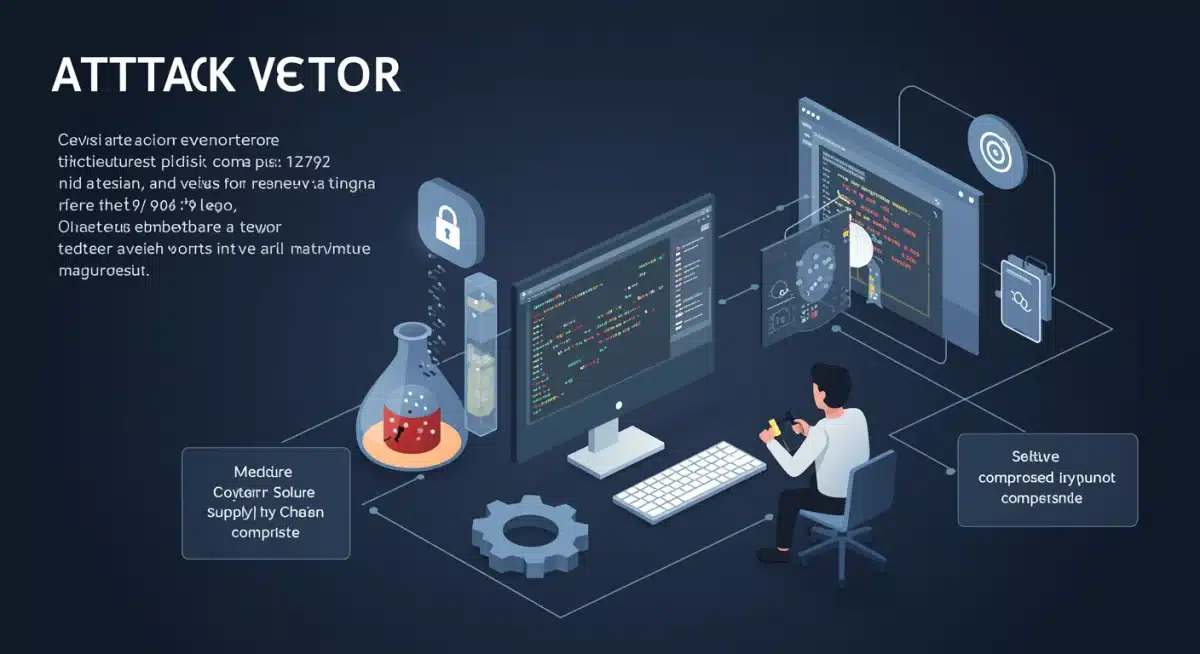
The Risk: This is arguably the most publicized and impactful supply chain risk. Attackers compromise legitimate software updates or development tools, injecting malicious code that is then distributed to thousands of unsuspecting customers. The widespread adoption of CI/CD pipelines and reliance on open-source libraries amplify this risk. By 2026, we can expect more sophisticated variations targeting specific industries or critical infrastructure.
Practical Solutions:
- Software Bill of Materials (SBOM) Implementation: Mandate and utilize SBOMs to gain full visibility into all components, libraries, and dependencies within your software. This allows for rapid identification of vulnerable components.
- Enhanced Software Testing & Verification: Implement rigorous static application security testing (SAST), dynamic application security testing (DAST), and software composition analysis (SCA) throughout the development lifecycle.
- Code Signing & Integrity Checks: Enforce strong code signing practices and regularly verify the integrity of all software updates and binaries before deployment.
- Supply Chain Security Platforms: Invest in dedicated platforms that monitor and secure your entire software supply chain, from development to deployment.
- Vendor Security Assessment: Conduct thorough security assessments of all software vendors, scrutinizing their development practices, security controls, and incident response plans.
- Zero Trust Principles for Software: Apply zero-trust principles to all software components, assuming no inherent trust even for signed or legitimate software.
2. Hardware and Firmware Tampering
The Risk: Malicious actors can tamper with hardware components or firmware during manufacturing or transit, implanting backdoors, surveillance capabilities, or vulnerabilities. This is particularly concerning for critical infrastructure sectors and sensitive government operations. As global manufacturing becomes more distributed, the opportunities for such tampering increase.
Practical Solutions:
- Trusted Supplier Programs: Establish stringent vetting processes for hardware and firmware suppliers, prioritizing those with robust security certifications and transparent supply chain practices.
- Hardware Root of Trust (HRoT): Implement HRoT mechanisms to verify the authenticity and integrity of firmware and hardware components at boot-up.
- Supply Chain Provenance Tracking: Utilize technologies like blockchain or secure digital ledgers to track the origin and journey of hardware components from manufacturing to deployment.
- Physical Security Audits: Conduct regular, unannounced physical security audits of manufacturing facilities and logistics partners.
- Firmware & Hardware Vulnerability Scanning: Employ specialized tools to scan for known vulnerabilities and anomalies in firmware and hardware.
- Secure Disposal Policies: Implement strict policies for the secure disposal of old hardware to prevent data leakage or repurposing for malicious activity.
3. Third-Party Vendor Data Breaches and Access Compromise
The Risk: Many organizations grant third-party vendors significant access to their networks and data. A breach at a smaller, less secure vendor can directly compromise the larger organization. This risk is amplified by the proliferation of SaaS applications and managed service providers, often leading to a lack of complete oversight over shared data and access privileges.
Practical Solutions:
- Comprehensive Vendor Risk Management (VRM): Implement a robust VRM program that includes continuous monitoring, regular security assessments, and contractual obligations for security standards.
- Least Privilege Access: Enforce the principle of least privilege for all third-party access, granting only the minimum necessary permissions for the shortest possible duration.
- Multi-Factor Authentication (MFA): Mandate MFA for all third-party access to your systems, regardless of the vendor’s internal policies.
- Network Segmentation: Isolate third-party access to specific network segments, limiting potential lateral movement in case of a compromise.
- Data Encryption in Transit and at Rest: Ensure all data shared with or stored by third parties is encrypted both in transit and at rest.
- Incident Response Collaboration: Establish clear protocols for incident response collaboration with third-party vendors in the event of a breach.
- Regular Access Reviews: Conduct frequent reviews of all third-party access privileges to ensure they remain appropriate and necessary.
4. Open-Source Software (OSS) Vulnerabilities and Malicious Packages
The Risk: The reliance on open-source software is ubiquitous, offering cost-effectiveness and flexibility. However, OSS can contain unpatched vulnerabilities or, more nefariously, be deliberately poisoned with malicious code (e.g., typosquatting attacks, dependency confusion). The sheer volume of OSS components makes comprehensive vetting a significant challenge.
Practical Solutions:
- Automated Software Composition Analysis (SCA): Utilize SCA tools to automatically identify and track all open-source components, their licenses, and known vulnerabilities within your applications.
- Vulnerability Management Program: Establish a robust vulnerability management program specifically for open-source components, including regular scanning and prompt patching.
- Dependency Management Best Practices: Implement strict dependency management policies, pinning versions and regularly updating to secure versions.
- Private Package Repositories: Use private package repositories for critical dependencies to reduce exposure to public malicious packages.
- Supply Chain Security Tools for OSS: Invest in tools that analyze the security posture of open-source projects, identify potential malicious packages, and provide insights into maintainer activity.
- Developer Education: Train developers on secure coding practices, safe open-source consumption, and how to identify suspicious packages.
5. Geopolitical and Nation-State Sponsored Attacks
The Risk: Geopolitical tensions can directly translate into cyber warfare, with nation-states targeting critical infrastructure, intellectual property, and economic stability through supply chain compromises. These actors often possess significant resources and advanced persistent threat (APT) capabilities, making their attacks highly sophisticated and difficult to detect.
Practical Solutions:
- Threat Intelligence Integration: Integrate advanced threat intelligence feeds that specifically track nation-state activities and their potential targets.
- Diversification of Supply Chains: Where possible, diversify your supply chain to reduce reliance on single geographical regions or suppliers with high geopolitical risk.
- Enhanced Insider Threat Programs: Nation-state actors often leverage insiders. Strengthen your insider threat detection and prevention programs.
- Cyber Resilience Planning: Develop comprehensive cyber resilience plans, including robust backup and recovery strategies, to quickly restore operations after an attack.
- Collaboration with Government Agencies: Engage with government cybersecurity agencies (e.g., CISA, FBI) for intelligence sharing and guidance on nation-state threats.
- Supply Chain Mapping & Risk Assessment: Thoroughly map out your supply chain to identify critical nodes and assess their exposure to geopolitical risks.
6. Operational Technology (OT) and Industrial Control Systems (ICS) Compromise
The Risk: For manufacturing, energy, utilities, and other critical sectors, the convergence of IT and OT environments introduces new supply chain risks. Attackers can leverage IT-based supply chain breaches to pivot into OT systems, causing physical damage, operational shutdowns, or environmental disasters. Vulnerabilities in industrial IoT devices also contribute to this risk.
Practical Solutions:
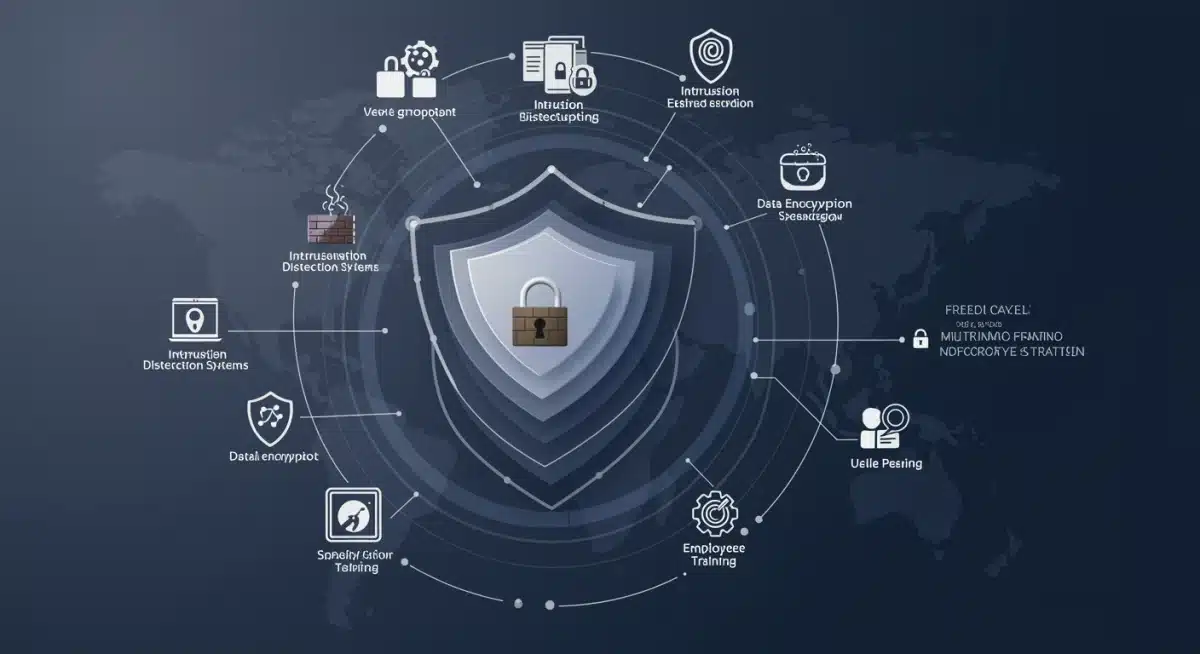
- IT/OT Segmentation: Implement strict network segmentation between IT and OT networks, using firewalls and unidirectional gateways where appropriate.
- OT-Specific Security Controls: Deploy security solutions designed specifically for OT environments, including intrusion detection systems (IDS) and anomaly detection.
- Vendor Remote Access Management: Tightly control and monitor all remote access by OT vendors, ensuring secure protocols and temporary access.
- Regular OT/ICS Assessments: Conduct specialized security assessments and penetration testing for OT/ICS environments.
- Patch Management for OT: Develop a robust patch management strategy for OT systems, recognizing the unique challenges of downtime and system stability.
- Employee Training for OT Security: Train OT personnel on cybersecurity best practices, incident recognition, and response procedures.
7. Data Supply Chain Integrity (Data Poisoning/Manipulation)
The Risk: Beyond stealing data, attackers can subtly manipulate or ‘poison’ data as it flows through the supply chain. This could affect AI models (leading to biased or incorrect decisions), financial reporting, critical operational data, or even product designs. The integrity of data, from its source to its consumption, is a growing concern, especially with increasing reliance on data analytics and AI.
Practical Solutions:
- Data Provenance and Lineage: Implement robust systems to track the origin, transformations, and usage of critical data throughout its lifecycle.
- Data Integrity Checks: Utilize cryptographic hashing and digital signatures to verify the integrity of data at various points in the supply chain.
- Anomaly Detection in Data Feeds: Deploy AI/ML-driven anomaly detection tools to identify unusual patterns or manipulations in data streams.
- Strict Access Controls for Data: Enforce granular access controls to critical data sets, limiting who can modify or input data.
- Data Governance Frameworks: Establish comprehensive data governance frameworks that define data ownership, quality standards, and integrity policies.
- Immutable Data Stores: For highly sensitive data, consider using immutable data stores or blockchain-based solutions to prevent unauthorized alteration.
Building a Resilient Supply Chain Security Program by 2026
Mitigating these emerging supply chain risks requires a holistic and proactive approach. It’s not a one-time fix but an ongoing commitment to security. Here are overarching strategies to build a robust supply chain security program:
1. Establish a Dedicated Supply Chain Security Team/Function
Assign clear ownership and responsibility for supply chain security. This team should include representatives from cybersecurity, procurement, legal, and operational departments to ensure a comprehensive perspective.
2. Comprehensive Supply Chain Mapping and Risk Assessment
You can’t protect what you don’t understand. Thoroughly map your entire supply chain, identifying all third, fourth, and Nth-party vendors. For each vendor, assess their criticality to your operations and their inherent security risks. Prioritize mitigation efforts based on this risk assessment.
3. Implement a Strong Vendor Risk Management (VRM) Program
Beyond initial assessments, your VRM program should include continuous monitoring of vendor security postures, regular audits (both remote and on-site), and contractual clauses that mandate specific security controls and incident reporting requirements. Consider using standardized security questionnaires like Shared Assessments SIG to streamline this process.
4. Adopt a Zero Trust Architecture Across Your Ecosystem
Assume no entity, internal or external, can be implicitly trusted. Implement strict identity verification, least privilege access, and continuous monitoring for all users and devices attempting to access your network and data, including third-party vendors.
5. Enhance Threat Intelligence Sharing and Collaboration
Actively participate in industry-specific Information Sharing and Analysis Centers (ISACs) and collaborate with government agencies (like CISA) to stay informed about emerging threats and best practices. Sharing intelligence helps the entire ecosystem become more resilient.
6. Invest in Automation and Advanced Security Technologies
Manual processes cannot keep pace with the scale and complexity of modern supply chains. Leverage automation for vulnerability scanning, configuration management, threat detection, and incident response. AI and machine learning can play a crucial role in identifying anomalies and predicting potential attacks.
7. Develop and Regularly Test Incident Response and Business Continuity Plans
Despite best efforts, breaches can occur. Having a well-defined and regularly tested incident response plan specifically for supply chain compromises is critical. This includes communication protocols, forensic investigation procedures, and recovery strategies. Ensure your business continuity plans account for prolonged supply chain disruptions.
8. Foster a Culture of Security Awareness
Human error remains a significant vulnerability. Educate all employees, from procurement to IT to executive leadership, on the importance of supply chain security, phishing awareness, and reporting suspicious activities. Extend this education to your critical vendors where possible.
The Path Forward: Proactive Security for a Connected Future
The digital economy thrives on connectivity and collaboration, but these very strengths introduce new avenues for attack. For US companies, ignoring the growing threat of supply chain risks is no longer an option. The consequences of a successful attack can be catastrophic, impacting financial stability, customer trust, and even national security.
By understanding the seven key emerging risks outlined in this article and proactively implementing the practical solutions, businesses can significantly bolster their defenses. The journey to a resilient supply chain is continuous, requiring constant vigilance, adaptation, and investment in people, processes, and technology.
Embrace a forward-thinking security posture that views your supply chain not just as a series of transactions, but as an extended enterprise that demands the same level of security scrutiny as your internal operations. By doing so, US companies can navigate the complex threat landscape of 2026 and beyond with confidence, ensuring business continuity and sustained innovation.