Digital Privacy Complaints: 15% US Rise & 2026 Response

The significant 15% increase in US digital privacy complaints over the last six months underscores an urgent need for businesses to re-evaluate their data handling practices and implement robust response strategies by 2026.
Data-Driven Insights: Understanding the 15% Increase in US Digital Privacy Complaints in the Last 6 Months and How to Respond in 2026 offers a critical examination of a burgeoning challenge for businesses operating in the United States. This notable surge in consumer grievances highlights a growing public awareness of digital rights and the evolving landscape of data protection regulations. As we approach 2026, organisations must not only comprehend the reasons behind this uptick but also proactively implement strategies to mitigate risks and foster trust with their clientele.
The Escalating Landscape of Digital Privacy Complaints
The recent revelation of a 15% increase in US digital privacy complaints over the past six months is a stark indicator of a shifting paradigm in consumer expectations and regulatory scrutiny. This rise is not an isolated event but rather a symptom of several interconnected factors, including heightened media attention on data breaches, the introduction of more stringent privacy laws, and an overall maturation of digital literacy among the general public.
Consumers are increasingly aware of their rights regarding personal data, leading to a greater propensity to report perceived violations. This trend necessitates that businesses move beyond mere compliance and adopt a more holistic approach to privacy, embedding it into the very fabric of their operations. Ignoring these signals could lead to significant financial penalties, reputational damage, and a loss of customer loyalty.
Key Drivers Behind the Surge
Several pivotal elements are contributing to the current surge in complaints. Understanding these drivers is crucial for developing effective preventative and responsive measures.
- Increased Consumer Awareness: Educational campaigns and high-profile privacy incidents have made individuals more vigilant about how their data is collected and used.
- Evolving Legal Frameworks: New state-level privacy laws are expanding consumer rights and creating more avenues for individuals to file complaints.
- Accessibility of Reporting Mechanisms: Regulatory bodies are making it easier for individuals to lodge complaints, often through streamlined online portals.
- Data Breach Fatigue: A continuous stream of data breaches has eroded public trust, pushing consumers to demand greater accountability from organisations.
The confluence of these factors creates a challenging environment for businesses. A proactive stance, focusing on transparent data practices and robust security measures, is no longer optional but a fundamental requirement for operating ethically and legally in the digital sphere.
Understanding the Impact of New Regulations
The regulatory landscape for digital privacy in the US is dynamic, with various state-level laws setting precedents that often influence national discussions. This patchwork of legislation, while aimed at protecting consumers, can create complexities for businesses operating across state lines. The 15% increase in complaints is undeniably linked to the growing awareness and enforcement of these new regulations.
For instance, the California Consumer Privacy Act (CCPA) and its successor, the California Privacy Rights Act (CPRA), have significantly expanded consumer rights, including the right to know what personal information is collected, the right to delete personal information, and the right to opt-out of the sale or sharing of personal information. Similar laws are emerging in other states, such as Virginia (VCDPA), Colorado (CPA), and Utah (UCPA), each contributing to a more stringent regulatory environment.
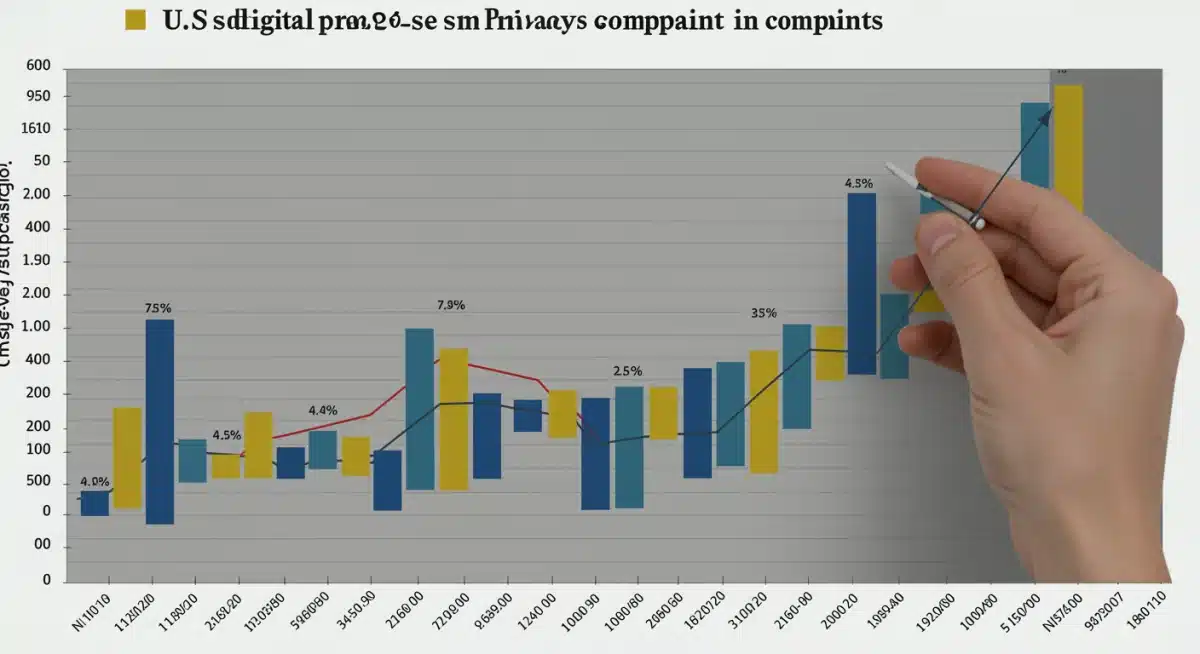
The proliferation of these laws means that businesses must contend with a multifaceted compliance challenge. A single incident of data mishandling could now trigger complaints under multiple state statutes, amplifying the potential for legal and financial repercussions. This intricate web of regulations necessitates a comprehensive understanding and a flexible compliance framework.
Navigating the Patchwork of State Laws
Businesses must develop a sophisticated approach to compliance that addresses the nuances of each state’s privacy legislation. This often involves legal counsel and the implementation of advanced data governance tools.
- Comprehensive Legal Audits: Regularly review data handling practices against all applicable state privacy laws.
- Geographic Data Segmentation: Implement systems to manage and process data based on the consumer’s geographic location to ensure adherence to specific state regulations.
- Consent Management Platforms: Utilise tools that allow consumers to easily manage their consent preferences, ensuring compliance with opt-in/opt-out requirements.
- Employee Training: Educate all employees on the latest privacy regulations and best practices for handling personal data.
The complexity of navigating these regulations underscores the need for ongoing vigilance and adaptation. Businesses that fail to keep pace risk not only fines but also a significant erosion of consumer trust, which is often far more damaging in the long term.
Proactive Measures: Building a Robust Privacy Framework
Responding effectively to the increase in digital privacy complaints requires more than just reactive measures; it demands a proactive approach to building a robust privacy framework. This framework should be integrated into all aspects of an organisation’s operations, from product development to customer service. By embedding privacy by design, businesses can significantly reduce the likelihood of complaints and demonstrate a genuine commitment to protecting consumer data.
A strong privacy framework encompasses not only technical safeguards but also organisational policies, employee training, and transparent communication with consumers. It’s about creating a culture where privacy is a core value, not just a compliance checkbox. This holistic approach builds trust, which is an invaluable asset in today’s data-driven economy.
Essential Components of a Strong Privacy Framework
Developing an effective privacy framework involves several critical steps that address both technical and human elements of data protection.
- Privacy by Design Implementation: Incorporate privacy considerations into the design and architecture of IT systems and business practices from the outset.
- Data Minimisation: Collect only the data that is absolutely necessary for a specific purpose, reducing the risk exposure.
- Regular Data Protection Impact Assessments (DPIAs): Conduct assessments to identify and mitigate privacy risks associated with new projects or data processing activities.
- Incident Response Plan: Develop and regularly test a comprehensive plan for responding to data breaches and privacy incidents.
By focusing on these proactive measures, businesses can transform potential vulnerabilities into strengths, demonstrating leadership in data protection and fostering a positive relationship with their customers.
The Role of Transparency and Communication
In an environment where digital privacy complaints are on the rise, transparency and clear communication with consumers become paramount. Many complaints stem from a lack of understanding about how personal data is collected, used, and shared. By adopting clear, concise, and accessible language in privacy policies and consent requests, businesses can significantly reduce confusion and build trust.
Transparency is not just about legal compliance; it’s about ethical engagement. Consumers are more likely to trust organisations that are open about their data practices and provide easy-to-understand explanations. This includes clearly outlining data retention policies, third-party data sharing, and the security measures in place to protect personal information. Poor communication, on the other hand, can quickly erode trust and fuel further complaints.
Strategies for Enhanced Transparency
Effective communication requires a strategic approach that goes beyond simply posting a privacy policy on a website. It involves active engagement and user-friendly interfaces.
- Plain Language Privacy Policies: Avoid legal jargon; present information in an easy-to-understand format.
- Interactive Consent Dashboards: Allow users to easily view and modify their consent preferences at any time.
- Proactive Breach Notifications: Communicate clearly and promptly in the event of a data breach, detailing what happened and what steps are being taken.
- Dedicated Privacy Contact: Provide an easily accessible point of contact for privacy-related questions and concerns.
By prioritising transparency and communication, businesses can empower consumers, reduce the likelihood of complaints, and build a reputation as a trustworthy steward of personal data. This approach moves beyond mere compliance to fostering genuine customer relationships.
Leveraging Technology for Enhanced Privacy Compliance
The complexities of modern data ecosystems necessitate the adoption of advanced technological solutions to effectively manage privacy compliance and mitigate the risk of complaints. Manual processes are often insufficient to keep pace with the volume and velocity of data, as well as the intricate requirements of various privacy regulations. Leveraging technology can automate compliance tasks, enhance data security, and provide better visibility into data flows.
From AI-powered data mapping tools to automated consent management platforms, technology offers powerful capabilities to streamline privacy operations. These tools can help businesses identify sensitive data, track its movement, enforce access controls, and respond to data subject requests more efficiently. Investing in the right privacy technology is no longer a luxury but a strategic imperative for any organisation serious about data protection.
Technological Solutions for Privacy Management
A range of technological tools can significantly bolster an organisation’s privacy posture and help in managing the increasing volume of complaints.
- Data Discovery and Classification Tools: Automatically identify and categorise sensitive data across various systems, ensuring it receives appropriate protection.
- Consent Management Platforms (CMPs): Automate the collection, management, and enforcement of user consent preferences, crucial for compliance with various laws.
- Data Subject Request (DSR) Automation: Streamline the process of responding to requests from individuals to access, correct, or delete their personal data.
- Security Information and Event Management (SIEM) Systems: Monitor and analyse security events in real-time, helping to detect and respond to potential privacy breaches quickly.
By strategically implementing these technologies, businesses can significantly enhance their ability to comply with privacy regulations, reduce operational burdens, and build a more resilient defence against privacy-related incidents and complaints.
Looking Ahead to 2026: Preparing for the Future of Privacy
The 15% increase in US digital privacy complaints serves as a critical warning sign, urging businesses to not only address current challenges but also to proactively prepare for the evolving privacy landscape in 2026 and beyond. The trajectory suggests an ongoing increase in consumer expectations and regulatory pressure. Organisations that fail to anticipate these changes risk falling behind, facing greater scrutiny, and incurring significant penalties.
Preparation for 2026 involves continuous monitoring of legislative developments, investing in ongoing employee training, and fostering a culture of privacy-first thinking. The goal is to move beyond mere compliance to a position of leadership in data ethics, which can ultimately become a significant competitive differentiator. The future of digital privacy demands agility, foresight, and an unwavering commitment to protecting personal data.
Strategic Preparations for 2026
To thrive in the future privacy landscape, businesses should consider several key strategic initiatives that will position them for long-term success.
- Continuous Regulatory Monitoring: Stay abreast of new privacy laws and amendments at both state and federal levels.
- Privacy by Default: Design systems and services to collect and process only the minimum amount of personal data required by default.
- Ethical Data Use Frameworks: Develop clear guidelines for the ethical use of data, ensuring practices align with consumer values.
- Collaboration with Privacy Experts: Engage with legal and cybersecurity experts to stay informed and implement best practices.
By embracing these forward-looking strategies, businesses can not only mitigate the risk of future privacy complaints but also build a reputation as trusted and responsible data stewards, essential for sustained growth and customer loyalty in the digital age.
| Key Aspect | Brief Description |
|---|---|
| Complaint Surge | 15% increase in US digital privacy complaints, driven by awareness and new laws. |
| Regulatory Impact | Patchwork of state laws (e.g., CCPA, VCDPA) complicates compliance for businesses. |
| Proactive Measures | Implement Privacy by Design, data minimisation, and incident response plans. |
| Future Preparedness | Continuous monitoring, ethical data use, and tech investment essential for 2026. |
Frequently Asked Questions About Digital Privacy Complaints
The rise is primarily due to increased consumer awareness of data rights, the introduction of more comprehensive state-level privacy laws like the CCPA and CPRA, and improved accessibility of reporting mechanisms for privacy violations, alongside a general erosion of trust after numerous data breaches.
Businesses face significant risks, including substantial financial penalties from non-compliance, severe reputational damage leading to loss of customer trust, and potential legal challenges. These factors can collectively impact market share and long-term viability in the digital economy.
Proactive measures include implementing ‘Privacy by Design’ principles, conducting regular Data Protection Impact Assessments (DPIAs), adopting data minimisation strategies, and developing robust incident response plans. These steps embed privacy into core operations rather than treating it as an afterthought.
Transparency is crucial. Clear, plain-language privacy policies, interactive consent dashboards, and proactive communication about data handling practices build consumer trust. When individuals understand how their data is used, they are less likely to feel their privacy has been violated or to file complaints.
By 2026, businesses should prioritise continuous monitoring of regulatory changes, investing in privacy-enhancing technologies, fostering a privacy-first company culture, and ensuring ongoing employee training. These efforts will help maintain compliance and build a resilient approach to data protection.
Conclusion
The 15% surge in US digital privacy complaints over the last six months is a clear signal that the era of passive data handling is over. Businesses are now operating in a landscape where consumer expectations for data protection are higher than ever, and regulatory frameworks are becoming increasingly stringent. To navigate this complex environment successfully by 2026, organisations must adopt a comprehensive, proactive, and transparent approach to digital privacy. This includes embedding privacy by design, leveraging cutting-edge technology for compliance, and fostering open communication with consumers. Ultimately, those who prioritise data ethics and build robust privacy frameworks will not only mitigate risks but also forge stronger, more trusting relationships with their clientele, positioning themselves for sustainable success in the evolving digital age.