Digital Identity Protection: Save £500+ Annually by 2026
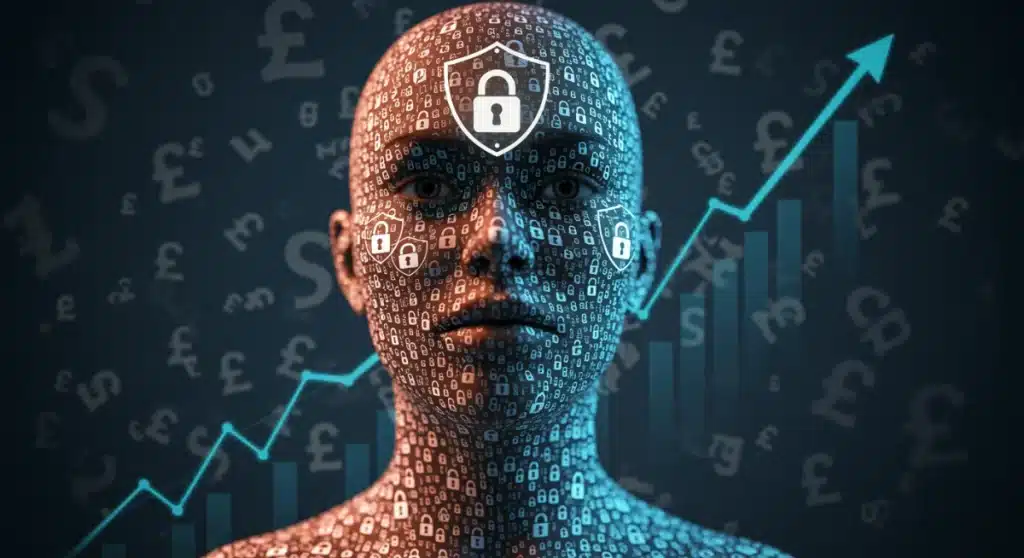
The financial impact: protecting your digital identity can save you £500+ annually – 6 practical solutions for 2026 is not merely a theoretical concept, but a tangible reality with significant monetary benefits. In an increasingly interconnected world, where our lives are inextricably linked to our digital personas, understanding the value of robust online security is paramount, not just for peace of mind, but for your wallet too.
The Rising Cost of Digital Identity Theft and Fraud
The digital landscape of 2026 presents both unprecedented convenience and heightened risks. As our lives become more entwined with online platforms, so too do the opportunities for malicious actors to exploit vulnerabilities, leading to substantial financial repercussions. Understanding the sheer scale of these costs is the first step towards appreciating the value of digital identity protection.
Understanding the Scope of the Problem
Identity theft and financial fraud are not victimless crimes; they inflict direct financial losses, erode trust, and create immeasurable stress. The methods employed by fraudsters are constantly evolving, from sophisticated phishing campaigns to elaborate data breaches, each designed to compromise your personal and financial information. The average cost of identity theft to victims can be staggering, encompassing not only direct monetary losses but also legal fees, credit repair services, and the time spent resolving the issue.
- Direct financial losses from unauthorised transactions.
- Costs associated with credit monitoring and identity restoration services.
- Lost wages due to time spent resolving identity theft incidents.
- Increased insurance premiums or difficulty obtaining loans due to damaged credit scores.
The financial burden extends beyond the immediate theft. The long-term impact on credit scores can affect major life decisions, such as securing a mortgage or purchasing a car, potentially costing thousands of pounds in higher interest rates over the years. Therefore, proactive measures to protect your digital identity are not an expense, but an investment in your financial future.
The £500+ Annual Savings Potential: A Closer Look
While the exact figure will vary for each individual, the potential to save over £500 annually through effective digital identity protection is a conservative estimate, grounded in the cumulative avoidance of various financial pitfalls. This saving isn’t a direct deposit into your bank account, but rather the prevention of losses that would otherwise occur.
Preventing Direct Financial Losses
The most immediate and quantifiable saving comes from preventing fraudulent transactions and identity theft. When your digital identity is compromised, fraudsters can open new credit accounts in your name, make unauthorised purchases, or even file fraudulent tax returns. Each of these incidents can lead to hundreds, if not thousands, of pounds in losses. By implementing robust protection, you significantly reduce the likelihood of these events occurring.
- Avoiding fraudulent credit card charges and bank transfers.
- Preventing the opening of new accounts in your name.
- Mitigating losses from phishing scams and malware attacks.
Consider the average cost of a single credit card fraud incident or the expenses involved in disputing an unauthorised loan. These individual incidents can quickly add up, easily surpassing the £500 mark. Furthermore, strong digital identity protection can help you avoid costly credit monitoring services that many victims are forced to subscribe to after an incident.
Solution 1: Fortifying Your Passwords and Authentication
The foundation of any strong digital identity protection strategy lies in robust passwords and multi-factor authentication. These are your first line of defence against unauthorised access to your online accounts, and neglecting them is akin to leaving your front door unlocked.
Crafting Unbreakable Passwords
Weak, reused, or easily guessed passwords are an open invitation for cybercriminals. The era of simple passwords like ‘123456’ or ‘password’ is long gone. Instead, you need to employ complex, unique passwords for every online service you use. A strong password typically includes a mix of uppercase and lowercase letters, numbers, and symbols, and is at least 12-16 characters long. Password managers are invaluable tools here, generating and securely storing these complex credentials for you.
Beyond complexity, the uniqueness of each password is critical. If a hacker gains access to one of your accounts due to a data breach, they will often attempt to use those same credentials across other popular platforms. This practice, known as credential stuffing, can quickly compromise your entire digital footprint if you’re reusing passwords.
Embracing Multi-Factor Authentication (MFA)
Even the strongest password can be compromised. This is where multi-factor authentication (MFA) steps in as a crucial second layer of security. MFA requires you to provide two or more verification factors to gain access to an account, such as something you know (your password), something you have (a phone or security key), or something you are (a fingerprint or facial scan). Implementing MFA for all critical accounts significantly reduces the risk of unauthorised access, even if your password is stolen.
- Use a reputable password manager to generate and store unique, strong passwords.
- Enable MFA on all email, banking, social media, and e-commerce accounts.
- Opt for authentication apps or hardware security keys over SMS-based MFA where possible.
The effort required to set up strong passwords and MFA pales in comparison to the time, stress, and financial cost of recovering from a compromised account. It’s a simple, yet profoundly effective, measure to protect your digital identity.
Solution 2: Vigilant Monitoring of Your Financial Accounts and Credit
Even with the best preventative measures, digital identity theft can still occur. Therefore, actively monitoring your financial accounts and credit reports is an indispensable part of a comprehensive digital identity protection strategy. Early detection is key to minimising potential damage and financial loss.
Regularly Reviewing Bank and Credit Card Statements
It is essential to scrutinise your bank and credit card statements frequently, ideally weekly, for any unfamiliar transactions. Small, seemingly insignificant charges might be test runs by fraudsters to see if an account is active before they attempt larger, more damaging transactions. Promptly reporting any suspicious activity to your financial institution can prevent further fraud and ensures you are not liable for the unauthorised charges.
Many banking apps offer real-time notifications for transactions, which can be an incredibly useful tool for immediate detection. Enabling these alerts provides an extra layer of vigilance, allowing you to react swiftly if your card details are compromised.
Leveraging Credit Monitoring Services
Credit monitoring services track changes to your credit report and alert you to suspicious activity, such as new accounts opened in your name, hard inquiries, or changes to your personal information. While some services come with a fee, many credit card companies and banks offer free credit monitoring as part of their customer benefits. Regularly checking your credit report, which you are entitled to do for free annually from each of the three major credit bureaus, is also crucial for identifying discrepancies.
- Set up transaction alerts for all your bank and credit card accounts.
- Review your credit reports from all three major bureaus annually.
- Consider subscribing to a reputable credit monitoring service for real-time alerts.
By maintaining a watchful eye on your financial health, you significantly increase your chances of catching fraudulent activity before it escalates, thus saving considerable time and money in remediation efforts.
Solution 3: Practising Safe Online Habits and Data Minimisation
Our daily online interactions often expose us to risks we are unaware of. Developing safe online habits and adopting a data minimisation approach can significantly reduce your digital footprint and, consequently, the attack surface available to cybercriminals. This proactive stance is a cornerstone of effective digital identity protection.
Navigating the Web with Caution
Phishing scams remain one of the most prevalent threats. Be wary of unsolicited emails, messages, or calls asking for personal information. Always verify the sender and the legitimacy of links before clicking. Similarly, avoid connecting to unsecured public Wi-Fi networks for sensitive activities like online banking or shopping, as these networks can be easily intercepted by cybercriminals. Using a Virtual Private Network (VPN) can add a layer of encryption and security when using public Wi-Fi.
Furthermore, be selective about the websites you visit and the software you download. Malicious websites can host malware, while pirated software often contains hidden viruses that can compromise your system and steal your data. Always download software from official sources and ensure your operating system and applications are kept up to date with the latest security patches.
Embracing Data Minimisation
The less personal information you share online, the less there is for cybercriminals to steal. This principle, known as data minimisation, involves being judicious about what you post on social media, what information you provide to online services, and how you configure your privacy settings. Regularly review your privacy settings on social media platforms and online accounts, ensuring that only necessary information is shared with trusted entities.
- Think before you click: verify senders and links in emails and messages.
- Avoid public Wi-Fi for sensitive tasks; use a VPN if unavoidable.
- Be selective about sharing personal information online and review privacy settings regularly.
By cultivating these safe online habits and committing to data minimisation, you actively reduce your exposure to digital threats, contributing to a more secure and financially sound digital life.
Solution 4: Securing Your Devices and Software
Your devices – computers, smartphones, and tablets – are gateways to your digital identity. If they are compromised, your personal and financial information becomes vulnerable. Ensuring these devices are properly secured and their software is up-to-date is a critical element of digital identity protection.
Implementing Robust Endpoint Security
Every device you use to access the internet should be protected with high-quality antivirus and anti-malware software. These tools are designed to detect, quarantine, and remove malicious software that could otherwise steal your data or grant unauthorised access to your system. It’s not enough to simply install them; ensure they are configured for real-time protection and regularly updated to combat the latest threats.
Firewalls, both hardware and software-based, also play a vital role in controlling network traffic and preventing unauthorised access to your devices. Keeping your firewall active and properly configured adds another layer of defence against external threats.
Keeping Software and Operating Systems Updated
Software vulnerabilities are a primary target for cybercriminals. Software developers regularly release updates and patches to fix these security flaws. Neglecting these updates leaves your devices exposed. Enable automatic updates for your operating system, web browsers, and all installed applications to ensure you always have the latest security protections. This simple habit can significantly reduce your risk of falling victim to exploits.
- Install and maintain reputable antivirus and anti-malware software on all devices.
- Ensure your operating systems and applications are always updated to the latest versions.
- Utilise strong screen locks and encryption for your mobile devices.
A well-secured device acts as a strong barrier against digital intrusions, protecting your personal data and preventing the financial fallout that can result from a system compromise.
Solution 5: Understanding and Managing Data Breaches
Despite best efforts, data breaches can occur at organisations that hold your personal information. How you react to and manage the aftermath of a breach is crucial for mitigating its financial impact and protecting your digital identity. Proactive understanding and swift action are paramount.
Responding to Data Breach Notifications
When you receive notification of a data breach from a company, take it seriously. These notifications often include details about what type of information was compromised and recommend steps to take. Immediately change your passwords for the affected service and any other accounts where you might have used the same or similar credentials. Be particularly vigilant about suspicious emails or calls that claim to be from the breached company, as fraudsters often capitalise on these events to launch secondary attacks.
Assess the type of data exposed. If financial information like credit card numbers or bank details were compromised, contact your bank or credit card company immediately to discuss potential fraud alerts or card replacements. If your social security number or date of birth was exposed, consider placing a fraud alert or credit freeze on your credit reports.
Implementing a Credit Freeze or Fraud Alert
A credit freeze restricts access to your credit report, making it difficult for identity thieves to open new accounts in your name. While it might slightly inconvenience you when applying for new credit, the protection it offers is substantial. A fraud alert, on the other hand, notifies lenders to take extra steps to verify your identity before extending credit. Both are powerful tools in preventing financial fraud after a breach.
- Promptly change passwords for all affected accounts immediately after a breach notification.
- Monitor your financial accounts and credit reports closely for any unusual activity.
- Consider placing a credit freeze or fraud alert if sensitive personal data was compromised.
By being prepared and knowing how to respond effectively to data breaches, you can significantly reduce the financial damage and long-term consequences to your digital identity.
Solution 6: Educating Yourself and Staying Informed
The digital threat landscape is constantly evolving, with new scams and vulnerabilities emerging regularly. One of the most powerful tools in your digital identity protection arsenal is continuous education and staying informed about the latest cybersecurity trends and threats. This knowledge empowers you to anticipate and defend against new risks.
Keeping Abreast of Cybersecurity News
Regularly follow reputable cybersecurity news sources and blogs. Organisations like ShieldsStream provide up-to-date information on emerging threats, data breaches, and best practices for digital privacy. Understanding the methods cybercriminals use, such as the latest phishing techniques or malware variants, allows you to recognise and avoid them more effectively. This proactive learning approach transforms you from a potential victim into an informed defender of your own digital space.
Many government agencies and non-profit organisations also offer free resources and guides on cybersecurity. Subscribing to their newsletters or alerts can provide timely warnings about prevalent scams affecting your region or demographic. This constant influx of information builds your expertise and helps you make informed decisions about your online security.
Participating in Online Security Communities
Engaging with online security communities or forums can provide valuable insights and practical advice from other users and experts. These platforms can be excellent places to ask questions, share experiences, and learn about real-world scenarios and solutions. While exercising caution with shared information, these communities foster a collective knowledge base that can be immensely beneficial.
- Follow trusted cybersecurity news outlets and blogs to stay informed about new threats.
- Read official guides and resources from government and cybersecurity organisations.
- Consider participating in online security communities to learn from collective experience.
Investing time in self-education about digital security is an investment in your financial well-being. An informed user is a secure user, capable of navigating the digital world with confidence and significantly reducing their risk of financial loss.
| Key Protection Area | Financial Impact & Benefit |
|---|---|
| Strong Passwords & MFA | Prevents direct financial losses from account compromise and fraud. |
| Financial Monitoring | Enables early detection of fraud, minimising financial damage and recovery costs. |
| Safe Online Habits | Reduces exposure to scams and malware, preventing direct and indirect financial losses. |
| Device & Software Security | Protects against data theft and system compromise, safeguarding financial information. |
Frequently Asked Questions About Digital Identity Protection
Realistically, you can save over £500 annually by preventing financial losses from fraud, identity theft, and the associated costs of credit repair or legal fees. These savings accumulate from avoiding fraudulent transactions, higher interest rates due to damaged credit, and expenses for identity restoration services.
Implementing multi-factor authentication (MFA) on all critical accounts is arguably the single most effective step. Even if your password is compromised, MFA acts as a crucial second barrier, significantly reducing the likelihood of unauthorised access and protecting your sensitive information.
While free credit monitoring services are a good starting point and better than nothing, they might not offer the same comprehensive coverage or real-time alerts as paid services. It’s advisable to use them in conjunction with regular manual checks of all three credit reports and active financial statement reviews.
Instead of frequent changes, focus on creating strong, unique passwords for each account, preferably using a password manager. Change passwords immediately if you suspect a breach or if a service you use announces a data compromise. Regular, forced changes can sometimes lead to weaker, more predictable passwords.
If you’ve been a victim, immediately contact your bank and credit card companies, place fraud alerts or credit freezes on your credit reports, and report the incident to the police. Utilise identity recovery services if available through your bank or insurance, and meticulously document all communications and actions taken.
Conclusion
The journey towards robust digital identity protection is not a one-time task but an ongoing commitment. The financial benefits, potentially exceeding £500 annually by 2026, are a compelling incentive to adopt the practical solutions outlined. By fortifying passwords, monitoring accounts vigilantly, practicing safe online habits, securing devices, understanding data breaches, and continuously educating ourselves, we build a resilient defence against the evolving threats of the digital world. Protecting your digital identity is ultimately an investment in your personal and financial security, offering peace of mind and safeguarding your future in an increasingly interconnected society.