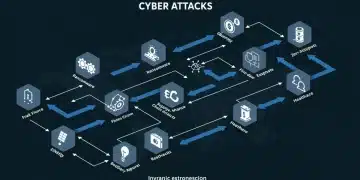
US Cybersecurity Workforce Gap: National Security at Risk

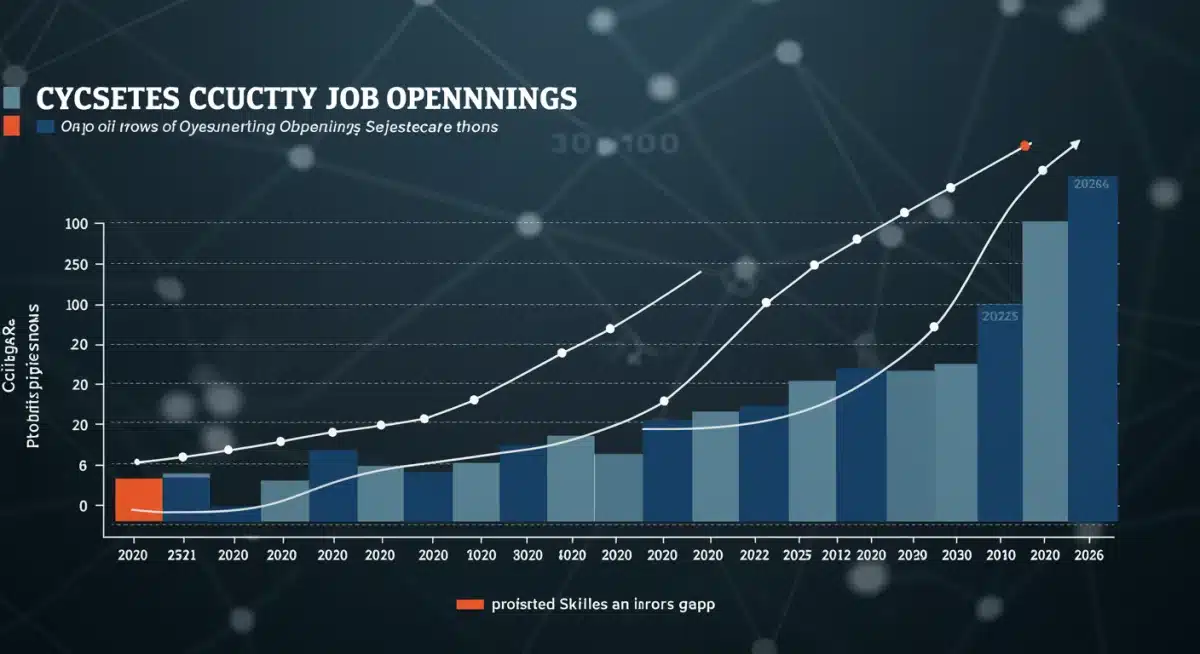
The projected 500,000-person cybersecurity workforce gap in the US by 2026 poses a critical threat to national security, demanding urgent and comprehensive strategic interventions to mitigate escalating risks and protect vital infrastructure.
The United States stands at a pivotal juncture, grappling with a burgeoning cybersecurity workforce gap that threatens its national security and economic stability. As digital threats evolve in sophistication and frequency, the demand for skilled cybersecurity professionals far outstrips the current supply. This shortfall, projected to reach a staggering 500,000 individuals by 2026, is not merely a recruitment challenge; it represents a fundamental vulnerability in the nation’s defence against an increasingly complex and hostile cyber landscape. Understanding the multifaceted nature of this crisis, its recent updates, and the innovative solutions being developed is paramount for safeguarding the nation’s future.
The Escalating Cybersecurity Workforce Gap: A National Crisis
The persistent shortage of cybersecurity professionals in the US has transitioned from a concerning trend to a full-blown national crisis. This deficit leaves critical infrastructure, government agencies, and private enterprises exposed to a constant barrage of cyberattacks. The sheer volume of unfilled positions highlights a systemic issue that impacts everything from data privacy to defence capabilities.
Recent reports indicate that despite increased awareness and investment, the gap continues to widen. This isn’t solely about the number of bodies; it’s about the depth and breadth of specialised skills required to combat advanced persistent threats (APTs), ransomware, and state-sponsored cyber warfare. The complexity of modern cyber defence necessitates a highly trained and adaptable workforce, which is currently in short supply.
Understanding the Scope of the Shortfall
The projected 500,000-person deficit by 2026 is an alarming figure that underscores the urgency of the situation. This number encompasses a wide range of roles, from entry-level analysts to seasoned architects and incident responders. The demand spans across all sectors, with particular pressure on critical infrastructure industries such as energy, finance, and healthcare.
- Critical Infrastructure Vulnerability: Essential services rely heavily on interconnected digital systems, making them prime targets for cyber adversaries. A lack of skilled personnel to secure these systems poses a direct threat to public safety and economic stability.
- Government and Defence Implications: National security agencies require top-tier cyber talent to protect classified information, counter foreign espionage, and maintain military readiness in the digital domain.
- Economic Impact on Businesses: Companies of all sizes face significant financial losses, reputational damage, and operational disruptions due to successful cyberattacks, often exacerbated by insufficient internal cybersecurity expertise.
The escalating nature of cyber threats, coupled with the slow pace of workforce development, creates a dangerous imbalance. This section has underscored the critical severity of the cybersecurity workforce gap, detailing its broad implications across vital sectors and emphasising the urgent need for comprehensive intervention.
Impact on National Security and Critical Infrastructure
The ramifications of a significant cybersecurity workforce gap extend far beyond corporate balance sheets, directly jeopardising national security and the resilience of critical infrastructure. A depleted cyber defence leaves the nation vulnerable to espionage, sabotage, and theft on an unprecedented scale. Adversaries, both state-sponsored and independent, are constantly probing for weaknesses, and an understaffed defence is an open invitation.
Critical infrastructure, encompassing sectors like energy, water, telecommunications, and transportation, forms the backbone of modern society. These systems are increasingly digitised and interconnected, making them prime targets. A successful cyberattack on any of these could lead to widespread disruption, economic paralysis, and even loss of life. The current shortfall means fewer eyes on the network, slower response times, and an increased likelihood of successful breaches.
The continuous evolution of cyber threats, from sophisticated malware to advanced social engineering tactics, requires a dynamic and highly responsive defence. Without enough skilled professionals, the ability to anticipate, detect, and neutralise these threats is severely hampered. This creates a strategic disadvantage for the US in the global cyber arena, potentially impacting its geopolitical standing and influence.
Sectors Most Affected
While all sectors feel the strain, some are particularly exposed due to their strategic importance or the sensitivity of the data they handle.
- Defence and Government: Protecting national secrets, military networks, and citizen data is paramount. A shortage here can lead to intelligence compromises and operational failures.
- Financial Services: The integrity of financial markets and personal banking information is constantly under threat. Insufficient cybersecurity personnel can lead to massive fraud and economic instability.
- Healthcare: Patient data is highly valuable on the black market, and healthcare systems are often under-resourced in cybersecurity. Breaches here can expose sensitive medical records and disrupt essential services.
- Energy Grid: Attacks on power grids can have catastrophic consequences, leading to widespread blackouts and severe economic disruption. Securing these systems requires a specialised skillset that is in high demand.
The cumulative effect of these vulnerabilities presents a grim outlook if the workforce gap is not urgently addressed. The nation’s ability to protect its citizens, maintain economic stability, and project power globally is intrinsically linked to its cybersecurity posture. This section has highlighted the severe national security implications of the cybersecurity workforce gap, underscoring its direct threat to the functionality and safety of critical infrastructure.
Root Causes of the Shortfall: A Multifaceted Problem
Understanding the root causes of the cybersecurity workforce gap is crucial for developing effective, long-term solutions. This isn’t a singular issue but a complex interplay of factors ranging from education and training deficiencies to a lack of diversity and persistent misconceptions about the field. Addressing these underlying problems is essential to building a sustainable pipeline of talent.
One primary factor is the rapid pace of technological change. Cybersecurity threats evolve constantly, requiring professionals to continuously update their skills. Educational institutions often struggle to keep pace with these changes, leading to curricula that may not fully align with industry needs. This creates a disconnect between what is taught and what is required in the professional world, resulting in graduates who may lack practical, real-world experience.
Another significant contributor is the perception of cybersecurity as an overly technical and inaccessible field. This often deters individuals from diverse backgrounds from considering a career in cybersecurity, further limiting the talent pool. There’s a need to demystify the profession and highlight the wide array of roles available, many of which do not require deep technical coding skills but rather strong analytical and problem-solving abilities.
Key Contributing Factors
- Inadequate Education and Training: Traditional academic programmes often fall short in providing the hands-on, practical experience necessary for entry-level cybersecurity roles.
- Lack of Diverse Talent: The cybersecurity industry historically suffers from a lack of diversity, missing out on valuable perspectives and talent from underrepresented groups.
- High Entry Barriers: Many entry-level positions demand extensive experience or advanced certifications, creating a ‘catch-22’ for new graduates trying to break into the field.
- Burnout and Retention Issues: The high-stress nature of cybersecurity roles, coupled with demanding hours and constant threat vigilance, contributes to burnout and a high turnover rate among experienced professionals.
The combination of these factors creates a challenging environment for both recruiting new talent and retaining existing experts. A holistic approach that addresses these foundational issues is necessary to bridge the growing divide. This section has explored the complex origins of the cybersecurity workforce deficit, identifying educational, perceptual, and structural barriers that hinder talent development and retention.
Recent Updates and Government Initiatives
In response to the escalating cybersecurity workforce gap, the US government, alongside various industry bodies, has ramped up efforts to address the shortfall. These initiatives reflect a growing recognition of the critical threat posed by an understaffed cyber defence and aim to foster a more robust and skilled workforce. Recent updates indicate a shift towards more collaborative and innovative approaches.
The Biden administration, for instance, has prioritised cybersecurity as a national security imperative, launching several programmes designed to strengthen the nation’s cyber capabilities. These include executive orders focused on improving federal cybersecurity, enhancing information sharing, and investing in workforce development. There’s a clear understanding that a government-wide approach is necessary to tackle a problem of this magnitude.
Furthermore, partnerships between government, academia, and the private sector are becoming increasingly common. These collaborations seek to align educational curricula with industry needs, create apprenticeship programmes, and provide funding for cybersecurity research and training. The goal is to build a talent pipeline that is not only larger but also better equipped to handle the complexities of modern cyber threats.
Key Government and Industry Responses
- National Cybersecurity Strategy: The US government has outlined a comprehensive strategy to bolster cyber defences, which includes significant components dedicated to workforce development and skill enhancement.
- Federal Upskilling Programmes: Initiatives like the Federal Cybersecurity Reskilling Academy are designed to train existing federal employees for cybersecurity roles, closing internal gaps.
- Academic Partnerships: Increased funding and grants are being directed towards universities and colleges to develop and expand cybersecurity degree programmes and certifications.
- Apprenticeships and Internships: Programmes are being established to provide practical, on-the-job training, helping individuals gain the experience often required for entry-level positions.
While these initiatives represent significant steps forward, their long-term effectiveness will depend on sustained commitment and adaptability. The landscape of cyber threats is dynamic, and workforce development efforts must be equally agile. This section has detailed the proactive measures and governmental strategies being implemented to mitigate the cybersecurity workforce gap, highlighting collaborative efforts and recent policy shifts.
Innovative Solutions: Bridging the Talent Gap
Addressing the cybersecurity workforce gap requires more than just traditional recruitment; it demands innovative solutions that rethink how talent is identified, trained, and retained. The focus is shifting towards creating diverse pathways into the profession, leveraging technology for skill development, and fostering a culture of continuous learning. These cutting-edge approaches are crucial for meeting the projected 2026 shortfall.
One promising avenue is the expansion of non-traditional educational routes. Bootcamps, online certifications, and micro-credentials are proving effective in rapidly upskilling individuals and preparing them for specific cybersecurity roles. These programmes often bypass the lengthy and costly commitment of a traditional degree, making cybersecurity careers more accessible to a broader demographic, including career changers and those from underrepresented groups.
Another innovative solution involves leveraging artificial intelligence (AI) and automation to augment human capabilities. While AI cannot entirely replace human cybersecurity experts, it can automate repetitive tasks, analyse vast amounts of data, and identify potential threats more efficiently. This allows human analysts to focus on more complex problems, strategic planning, and incident response, effectively multiplying the impact of the existing workforce.
Forward-Thinking Strategies
- Gamified Training and Simulations: Utilising gamification and realistic cyber range simulations to provide immersive, hands-on training that mirrors real-world scenarios, enhancing practical skills and engagement.
- Mentorship and Sponsorship Programmes: Establishing strong mentorship programmes to guide new entrants and foster a supportive environment, improving retention rates and career progression.
- Focus on Soft Skills: Recognising the importance of critical thinking, communication, and problem-solving skills, and integrating them into training programmes, as these are often as crucial as technical expertise.
- Targeted Recruitment from Underrepresented Groups: Actively recruiting women, minorities, and veterans, who bring diverse perspectives and untapped talent to the cybersecurity field.
These innovative solutions are vital components of a comprehensive strategy to not only fill the current vacancies but also build a resilient and adaptable cybersecurity workforce for the future. By embracing new approaches, the US can transform its talent pipeline and strengthen its digital defences. This section has outlined innovative strategies and forward-thinking solutions designed to effectively close the cybersecurity talent deficit, emphasising diverse training pathways and technological augmentation.
The Role of Education and Training in Closing the Gap
Education and training are undeniably the cornerstones of any successful strategy to address the cybersecurity workforce gap. A robust and adaptable educational ecosystem is essential for producing the quantity and quality of professionals needed to secure the nation. This involves a multi-tiered approach, from early education to continuous professional development, ensuring a constant flow of skilled individuals.
Early exposure to cybersecurity concepts in K-12 education can spark interest in technology and computational thinking, laying the groundwork for future careers. Introducing basic coding, digital literacy, and cyber hygiene can demystify the field and encourage younger generations to explore cybersecurity as a viable and exciting path. This foundational learning is critical for building a broad base of potential talent.
At higher education levels, there’s a growing need for programmes that blend theoretical knowledge with practical, hands-on experience. This includes integrating cyber range exercises, internships, and capstone projects that simulate real-world challenges. Furthermore, collaboration between universities and industry is paramount to ensure that curricula remain current and relevant to the evolving threat landscape. Continuous professional development, through certifications and ongoing training, is also vital for keeping the existing workforce’s skills sharp.
Key Educational Pillars
- K-12 Cybersecurity Awareness: Implementing programmes in schools to introduce cybersecurity concepts early, fostering interest and foundational knowledge.
- Higher Education Specialisation: Developing and expanding degree programmes, certifications, and specialised courses that offer in-depth technical skills and practical application.
- Vocational and Technical Training: Promoting bootcamps and technical colleges that provide accelerated, job-focused training for specific cybersecurity roles, often with industry-recognised certifications.
- Lifelong Learning and Upskilling: Encouraging professionals to engage in continuous learning through certifications, workshops, and advanced degrees to adapt to new technologies and threats.
By strengthening the educational pipeline at all levels, the US can cultivate a diverse and highly skilled cybersecurity workforce capable of meeting the demands of the future. This comprehensive approach to learning and skill development is not just about filling jobs; it’s about building a resilient national defence. This section has underscored the pivotal role of education and comprehensive training programmes in effectively narrowing the cybersecurity workforce gap, advocating for a multi-tiered approach to skill development.
Future Outlook and Strategic Imperatives
The future outlook for the cybersecurity workforce gap in the US remains challenging, yet there is a clear path forward if strategic imperatives are embraced with urgency and sustained effort. The projected 500,000-person shortfall by 2026 highlights that complacency is not an option. A proactive, adaptive, and collaborative approach is essential to not only mitigate the current crisis but also to build a resilient cyber defence for decades to come.
One critical imperative is the continued investment in technology and automation. While human expertise is irreplaceable, intelligent systems can significantly enhance the efficiency and effectiveness of security operations. Integrating AI, machine learning, and security orchestration, automation, and response (SOAR) platforms can free up human analysts to focus on higher-level strategic tasks and complex threat analysis, effectively scaling the existing workforce’s impact.
Another imperative is fostering a culture of cybersecurity awareness and responsibility across all levels of society. From individual citizens to corporate executives, understanding basic cyber hygiene and the collective role in national cyber defence is crucial. This broad-based awareness can reduce the attack surface and complement the efforts of the professional cybersecurity workforce. The threat landscape is constantly evolving, and so too must the nation’s response.
Strategic Priorities for Long-Term Success
- Sustained Public-Private Collaboration: Strengthening partnerships between government, industry, and academia to ensure a unified front against cyber threats and aligned workforce development efforts.
- Flexible and Adaptive Training Models: Developing agile educational programmes that can quickly adapt to emerging technologies and threat intelligence, ensuring skills remain current and relevant.
- Global Talent Engagement: Exploring avenues to attract and retain international cybersecurity talent, recognising that cyber threats are global and require a global response.
- Prioritising Research and Development: Investing in cutting-edge cybersecurity research to develop advanced defensive capabilities and stay ahead of adversaries.
By focusing on these strategic imperatives, the US can move towards a future where its cybersecurity workforce is robust, diverse, and capable of defending against an ever-evolving array of digital threats. The journey to close the gap is long, but with concerted effort, it is achievable. This section has summarised the critical strategic imperatives and future considerations necessary to effectively close the cybersecurity workforce gap, emphasising continued investment and a collaborative approach.
| Key Aspect | Brief Description |
|---|---|
| Projected Shortfall | An estimated 500,000-person deficit in the US cybersecurity workforce by 2026. |
| National Security Threat | The gap severely compromises critical infrastructure and national defence capabilities. |
| Root Causes | Includes inadequate education, lack of diversity, high entry barriers, and burnout. |
| Key Solutions | Involves diverse training, government initiatives, AI integration, and continuous learning. |
Frequently Asked Questions About the Cybersecurity Workforce Gap
By 2026, the United States is projected to face a critical shortfall of approximately 500,000 cybersecurity professionals. This significant deficit impacts both public and private sectors, leaving organisations vulnerable to an increasing array of digital threats and compromising national security.
The cybersecurity workforce gap directly threatens national security by weakening defences around critical infrastructure, government networks, and sensitive data. It increases the risk of successful cyber espionage, sabotage, and theft by state-sponsored actors and cybercriminals, potentially disrupting essential services and compromising national defence.
The primary causes include an education system struggling to keep pace with evolving threats, a lack of diversity in the talent pipeline, high entry barriers requiring extensive experience, and issues like burnout and retention challenges within the demanding cybersecurity field.
Solutions involve government initiatives, public-private partnerships, expanded non-traditional training programmes (bootcamps, certifications), increased focus on diversity, and the strategic integration of AI and automation to augment human capabilities and streamline security operations.
Individuals can contribute by pursuing cybersecurity education and certifications, seeking mentorship, participating in apprenticeship programmes, and promoting awareness about cybersecurity careers. Even basic digital literacy and cyber hygiene practices help reduce the overall attack surface, supporting the efforts of professionals.
Conclusion
The burgeoning cybersecurity workforce gap in the US represents a critical challenge, demanding immediate and sustained attention. With a projected shortfall of 500,000 professionals by 2026, the implications for national security, critical infrastructure, and economic stability are profound. While the complexities are undeniable, recent governmental initiatives, coupled with innovative educational approaches and technological advancements, offer a promising path forward. Bridging this gap requires a multifaceted strategy that encompasses robust educational pipelines, diverse talent recruitment, and continuous adaptation to an ever-evolving threat landscape. By investing in people, technology, and collaborative efforts, the US can fortify its digital defences and secure its future in an increasingly interconnected world.