Supply Chain Cyber Attacks Q2 2026: US Manufacturing Resilience
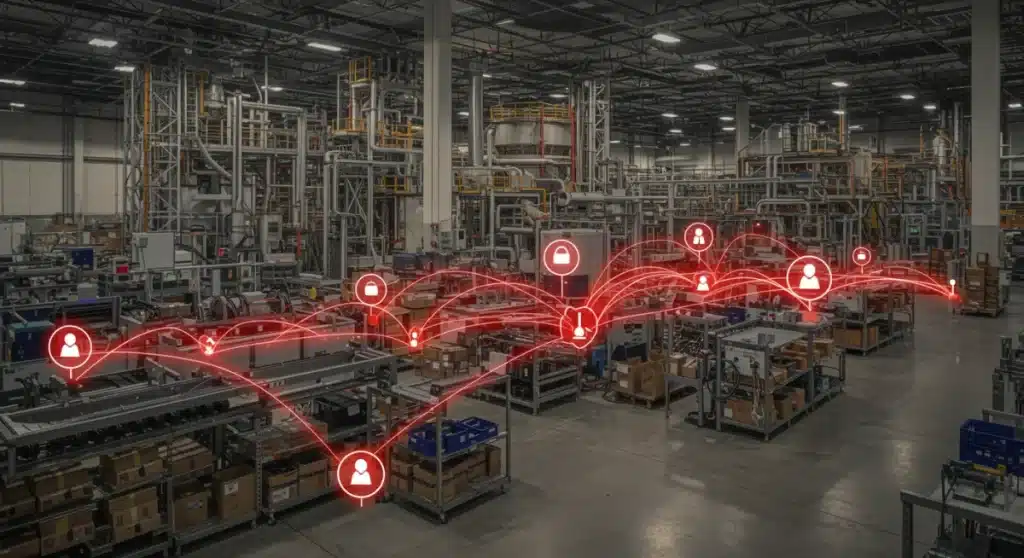
The evolving nature of supply chain cyber attacks in Q2 2026 poses significant threats to US manufacturing, requiring sophisticated resilience strategies and collaborative defence to mitigate widespread disruption.
The digital age has brought unprecedented efficiency to global manufacturing, yet it has also opened the door to sophisticated threats. In Q2 2026, the landscape of supply chain cyber attacks targeting US manufacturing has intensified, demanding immediate attention and robust, proactive countermeasures to protect vital industrial processes and national economic security.
Understanding the Evolving Threat Landscape in Q2 2026
The second quarter of 2026 has witnessed a significant shift in the tactics and sophistication of cyber attackers targeting the US manufacturing supply chain. Threat actors are no longer merely looking for data breaches; they are aiming for operational disruption, intellectual property theft, and long-term infiltration. Understanding these evolving threats is the first step towards building effective defences.
Traditional perimeter defences are proving insufficient against these advanced persistent threats, as attackers exploit vulnerabilities deep within interconnected systems. The reliance on third-party vendors and cloud services has expanded the attack surface, creating new entry points for malicious activities that can ripple across the entire supply chain.
Key Attack Vectors Observed
Attackers are increasingly using a multi-faceted approach, combining social engineering with advanced technical exploits.
- Ransomware 2.0: Beyond data encryption, attackers now exfiltrate sensitive data before encrypting, threatening public release if demands are not met. This double extortion technique puts immense pressure on manufacturing firms.
- Software Supply Chain Compromise: Injections of malicious code into legitimate software updates or components are becoming more common, allowing attackers to infiltrate numerous downstream targets simultaneously.
- Operational Technology (OT) Exploits: Direct attacks on industrial control systems (ICS) and supervisory control and data acquisition (SCADA) systems are designed to disrupt production, manipulate processes, or cause physical damage.
The sheer scale and complexity of these attacks highlight a critical need for integrated security strategies that go beyond traditional IT security, encompassing OT and the broader ecosystem of partners and suppliers. Without a holistic view, vulnerabilities will persist.
Impact on US Manufacturing: Beyond Financial Losses
The repercussions of a successful supply chain cyber attack extend far beyond immediate financial losses for US manufacturing firms. While monetary damages from downtime, recovery, and regulatory fines are substantial, the broader impact can be catastrophic, affecting reputation, market position, and even national security.
Disruption to production lines can lead to significant delays in product delivery, impacting customer trust and contractual obligations. The intricate nature of modern manufacturing means that a single point of failure within the supply chain can bring an entire operation to a standstill, affecting numerous downstream industries and consumers.
Tangible and Intangible Costs
The full cost of a cyber attack is often underestimated, encompassing a wide range of direct and indirect factors.
- Production Halts: Immediate cessation of manufacturing processes, leading to lost revenue and potential penalties for missed deadlines.
- Intellectual Property Theft: Loss of proprietary designs, formulas, and manufacturing techniques, undermining competitive advantage and long-term innovation.
- Reputational Damage: Erosion of trust among customers, partners, and investors, making it harder to secure new contracts and retain existing relationships.
- Regulatory Fines: Non-compliance with data protection and cybersecurity regulations can result in hefty penalties, adding to the financial burden.
Furthermore, the psychological toll on employees and leadership, coupled with the resource drain of incident response and recovery, can severely impact an organisation’s ability to innovate and compete. The focus must shift from mere recovery to proactive prevention and resilience building.
Practical Solutions for Enhancing Supply Chain Resilience
Building resilience against supply chain cyber attacks in US manufacturing requires a multi-layered, proactive approach that integrates technology, policy, and human factors. It is no longer sufficient to react to incidents; organisations must anticipate and mitigate risks before they materialise, fostering a culture of cybersecurity awareness throughout their ecosystem.
A robust resilience strategy involves not only fortifying internal systems but also extending security protocols to third-party vendors and partners. This collaborative defence model ensures that the entire supply chain is protected, reducing the likelihood of a single point of compromise leading to widespread disruption.

Implementing Robust Security Frameworks
Adopting recognised cybersecurity frameworks provides a structured approach to identifying, assessing, and managing risks.
- NIST Cybersecurity Framework: Provides a comprehensive set of guidelines for improving critical infrastructure cybersecurity, applicable across the manufacturing sector.
- ISO 27001: An international standard for information security management systems, offering a systematic approach to managing sensitive company information.
- Zero Trust Architecture: Mandates strict identity verification for every person and device attempting to access resources on a private network, regardless of whether they are inside or outside the network perimeter.
These frameworks, when properly implemented, help organisations establish a baseline for security, identify gaps, and continuously improve their posture. Regular audits and assessments are crucial to ensure ongoing compliance and effectiveness against evolving threats.
The Role of Threat Intelligence and Proactive Monitoring
In the dynamic world of cyber threats, static defences are quickly rendered obsolete. Effective protection against supply chain cyber attacks in US manufacturing hinges on a strong foundation of real-time threat intelligence and proactive monitoring capabilities. This involves not only understanding current attack methodologies but also anticipating future trends and vulnerabilities.
Organisations must develop the ability to collect, analyse, and act upon threat intelligence from various sources, including government agencies, industry peers, and cybersecurity vendors. This intelligence provides invaluable insights into emerging threats, allowing firms to adjust their defences and pre-empt potential attacks.
Advanced Monitoring Techniques
Leveraging cutting-edge technologies and methodologies for continuous oversight is paramount.
- Security Information and Event Management (SIEM): Centralises security event data from various sources, enabling real-time analysis and alerts for suspicious activities.
- Extended Detection and Response (XDR): Integrates and correlates data across multiple security layers (endpoint, network, cloud, email) to provide a unified view of threats and streamline incident response.
- Vulnerability Management Programs: Regular scanning and penetration testing to identify and remediate weaknesses in systems and applications before attackers can exploit them.
Proactive monitoring also extends to the dark web and underground forums, where threat actors often discuss new exploits and plan campaigns. By staying ahead of these discussions, manufacturers can implement preventative measures, significantly reducing their exposure to risk.
Collaboration and Information Sharing for Enhanced Security
The interconnected nature of the manufacturing supply chain means that no single entity can effectively combat cyber threats in isolation. Collaboration and information sharing among industry peers, government bodies, and cybersecurity experts are critical components of a resilient defence strategy. This collective approach strengthens the overall security posture of the entire sector.
Establishing trusted channels for sharing threat intelligence, best practices, and incident response lessons learned can significantly reduce the impact and frequency of attacks. When one organisation identifies a new threat, sharing that information can prevent similar attacks from affecting others in the ecosystem.
Key Collaborative Initiatives
Various platforms and partnerships facilitate vital information exchange.
- Information Sharing and Analysis Centres (ISACs): Industry-specific organisations that serve as central resources for gathering, analysing, and disseminating cyber threat and vulnerability information.
- Government-Industry Partnerships: Collaborations with agencies like CISA (Cybersecurity and Infrastructure Security Agency) to provide guidance, resources, and threat alerts specific to critical infrastructure sectors.
- Vendor Security Programs: Working closely with suppliers to ensure their cybersecurity practices meet established standards, often through shared audits and security assessments.
These collaborative efforts build a stronger, more informed defence network. By pooling resources and knowledge, the US manufacturing sector can present a united front against increasingly sophisticated and well-resourced cyber adversaries, enhancing collective resilience.
Preparing for the Future: Adaptability and Continuous Improvement
The cyber threat landscape is in a constant state of flux, making adaptability and continuous improvement essential for long-term resilience against supply chain cyber attacks in US manufacturing. Organisations must recognise that cybersecurity is not a one-time project but an ongoing process that requires regular evaluation, adjustment, and investment.
This forward-looking approach involves not only updating technologies and processes but also fostering a culture of security awareness and readiness among all employees. Training and education are paramount to ensuring that human elements, often the weakest link, become a strong line of defence.
Strategies for Future Readiness
Embracing a mindset of perpetual evolution is key to staying ahead.
- Regular Incident Response Drills: Practising responses to various cyber attack scenarios helps teams refine their procedures and reduce reaction times during actual incidents.
- Investment in AI and Machine Learning: Utilising advanced analytics to detect anomalous behaviour and predict potential threats with greater accuracy and speed.
- Supply Chain Mapping and Risk Assessment: Thoroughly understanding the entire supply chain, identifying critical vendors, and assessing their cybersecurity posture to proactively manage risks.
By embedding security into every stage of the product lifecycle and every aspect of operations, US manufacturing can build an inherently resilient ecosystem. This proactive and adaptive stance ensures that as threats evolve, so too do the defences, safeguarding the future of the industry.
| Key Aspect | Brief Description |
|---|---|
| Evolving Threats | Ransomware 2.0, software supply chain compromise, and OT exploits are dominant in Q2 2026. |
| Impact on Manufacturing | Financial losses, production halts, IP theft, and severe reputational damage are common outcomes. |
| Resilience Solutions | Implementing NIST, ISO 27001, and Zero Trust frameworks for robust security. |
| Proactive Defence | Real-time threat intelligence, SIEM, XDR, and strong industry collaboration are vital. |
Frequently Asked Questions on Supply Chain Cyber Attacks
Q2 2026 trends show a rise in sophisticated ransomware, software supply chain compromises, and direct attacks on operational technology (OT). Attackers are leveraging advanced social engineering and exploiting third-party vulnerabilities to cause widespread disruption and intellectual property theft.
Impacts include severe production halts, significant financial losses from downtime and recovery, theft of proprietary intellectual property, and damage to brand reputation. These disruptions can also lead to regulatory fines and long-term erosion of market competitiveness.
Key solutions involve adopting robust security frameworks like NIST and ISO 27001, implementing Zero Trust architectures, and enhancing third-party risk management. Continuous employee training and regular security audits are also crucial for maintaining a strong defence.
Collaboration and information sharing, particularly through ISACs and government-industry partnerships, are vital because they enable collective defence. Sharing threat intelligence and best practices helps the entire manufacturing sector anticipate and mitigate emerging cyber threats more effectively.
Future strategies should focus on adaptability and continuous improvement. This includes regular incident response drills, investment in AI and machine learning for threat detection, and comprehensive supply chain mapping to identify and manage vulnerabilities proactively across the ecosystem.
Conclusion
The persistent and evolving threat of supply chain cyber attacks in Q2 2026 presents a formidable challenge to US manufacturing. While the risks are substantial, ranging from operational disruption to significant financial and reputational damage, the industry is not without powerful countermeasures. By embracing comprehensive security frameworks, leveraging real-time threat intelligence, fostering robust collaboration, and committing to continuous improvement, US manufacturers can significantly bolster their resilience. The path forward demands a proactive, integrated, and adaptable approach to cybersecurity, ensuring the vital arteries of the nation’s industrial strength remain secure against an ever-changing landscape of digital threats.