NIST vs. CISA Guidance 2025: US Cybersecurity Frameworks Compared
The NIST Cybersecurity Framework offers a flexible, risk-based approach for improving cyber posture, while CISA provides actionable guidance and operational support, with both essential for robust cybersecurity strategies in 2025.
In the rapidly evolving landscape of digital threats, understanding and implementing robust cybersecurity frameworks is paramount for any organisation operating in the United States. This article delves into Comparing Leading US Cybersecurity Frameworks: NIST vs. CISA Guidance for 2025 (COMPARISON/ANALYSIS), offering a critical look at how these two influential bodies shape the nation’s cyber defence strategies. As we approach 2025, the synergy and distinctions between the National Institute of Standards and Technology (NIST) and the Cybersecurity and Infrastructure Security Agency (CISA) guidance become ever more crucial for safeguarding digital assets.
Understanding the NIST Cybersecurity Framework
The NIST Cybersecurity Framework (CSF) stands as a voluntary, risk-based framework that organisations can use to improve their ability to prevent, detect, and respond to cyberattacks. Developed through collaboration between industry and government, the CSF provides a common language for understanding, managing, and expressing cybersecurity risk. Its flexibility makes it adaptable to organisations of all sizes and sectors, from small businesses to large government agencies, providing a foundational approach to cyber resilience.
Core Components of the NIST CSF
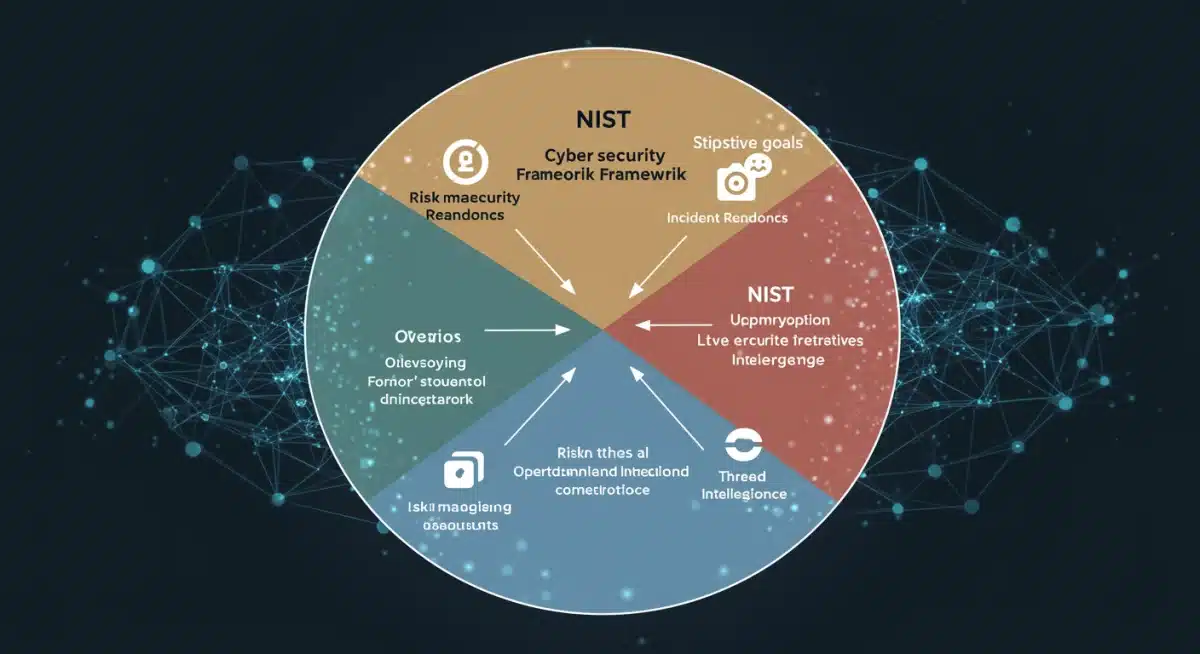
The NIST CSF is structured around five core functions, designed to be intuitive and comprehensive. These functions provide a high-level strategic view of an organisation’s management of cybersecurity risk. Understanding these components is critical for effective implementation and for aligning cybersecurity efforts with business objectives.
- Identify: Develop an organisational understanding to manage cybersecurity risk to systems, assets, data, and capabilities. This includes asset management, business environment, governance, risk assessment, and risk management strategy.
- Protect: Develop and implement appropriate safeguards to ensure delivery of critical infrastructure services. This function supports the ability to limit or contain the impact of a potential cybersecurity event.
- Detect: Develop and implement appropriate activities to identify the occurrence of a cybersecurity event. This function enables the timely discovery of cybersecurity events.
- Respond: Develop and implement appropriate activities to take action regarding a detected cybersecurity incident. This function supports the ability to contain the impact of a cybersecurity incident.
- Recover: Develop and implement appropriate activities to maintain plans for resilience and to restore any capabilities or services that were impaired due to a cybersecurity incident.
Each function is further broken down into categories and subcategories, providing specific activities and outcomes that can be used to manage cybersecurity risks. For example, under ‘Protect’, categories include ‘Access Control’ and ‘Data Security’, each with detailed subcategories. This granular approach allows organisations to tailor the framework to their unique risk profiles and operational environments, ensuring that security measures are both relevant and effective.
The strength of the NIST CSF lies in its adaptability and its focus on continuous improvement. It encourages organisations to assess their current cybersecurity posture, identify areas for improvement, and implement a roadmap for achieving their desired state. This iterative process ensures that cybersecurity remains a dynamic and evolving practice, rather than a static compliance exercise, preparing organisations for the cyber threats of 2025 and beyond.
CISA’s Evolving Role in US Cybersecurity
The Cybersecurity and Infrastructure Security Agency (CISA) serves as the nation’s cyber defence agency, working to reduce risk to the nation’s critical infrastructure. Unlike NIST, which provides a framework for risk management, CISA’s role is more operational, focusing on providing actionable guidance, threat intelligence, and direct support to federal agencies and critical infrastructure partners. Its mandate is to lead the national effort to understand, manage, and reduce risk to the cyber and physical infrastructure that Americans rely on daily.
Key Initiatives and Guidance from CISA
CISA’s guidance often takes the form of specific directives, alerts, and best practices designed to address immediate and emerging threats. These initiatives are highly responsive to the current threat landscape, providing timely and relevant information to help organisations protect themselves. Their approach is less about a broad framework and more about targeted, practical advice.
- Cybersecurity Advisories and Alerts: CISA regularly issues advisories and alerts regarding new vulnerabilities, malware, and attack campaigns. These provide critical, time-sensitive information that organisations can use to patch systems, update defences, and prepare for potential attacks.
- Binding Operational Directives (BODs): For federal agencies, CISA issues BODs that mandate specific cybersecurity actions. These directives ensure a baseline level of security across federal networks, addressing systemic weaknesses and enforcing best practices.
- Critical Infrastructure Protection: CISA works closely with 16 critical infrastructure sectors, offering resources, assessments, and exercises to enhance their cybersecurity posture. This includes sectors like energy, healthcare, and financial services, where disruptions could have significant national impact.
In 2025, CISA is expected to continue its proactive stance, leveraging advanced threat intelligence and fostering greater collaboration between government and the private sector. Their focus on operational resilience and rapid response to incidents will be crucial as cyber threats become more sophisticated and pervasive. CISA’s guidance is often practical and prescriptive, offering concrete steps for organisations to take, complementing the more strategic approach of NIST.
The agency also plays a vital role in sharing information and building capacity across the cybersecurity community. Through initiatives like the Joint Cyber Defense Collaborative (JCDC), CISA brings together government and industry partners to develop comprehensive cyber defence plans, anticipating and mitigating risks before they materialise. This collaborative spirit is a cornerstone of CISA’s strategy for securing the nation’s digital future.
Comparing NIST and CISA: A Synergistic Relationship
While both NIST and CISA are integral to US cybersecurity, their functions and approaches differ significantly, creating a synergistic relationship rather than a competitive one. NIST provides the foundational ‘what to do’ in terms of cybersecurity risk management, offering a flexible framework that can be adapted to various contexts. CISA, on the other hand, often provides the ‘how to do it’ and ‘what to do right now’ through actionable guidance, threat intelligence, and direct operational support. Understanding this distinction is key to leveraging both effectively.
Framework vs. Operational Guidance
The primary difference lies in their core offerings. NIST offers a comprehensive framework, a set of guidelines and best practices that help organisations manage and reduce cybersecurity risks. It’s a strategic tool for developing a cybersecurity programme from the ground up or maturing an existing one. Organisations use the NIST CSF to assess their current state, define a target state, and create an action plan.
CISA, conversely, focuses on operational cybersecurity. It provides real-time threat information, vulnerability alerts, and specific recommendations to counter immediate threats. CISA’s guidance is often more prescriptive, telling organisations specific actions they need to take, especially in response to emerging threats or compliance mandates for federal entities. For instance, CISA might issue a directive to patch a specific vulnerability, while NIST would provide the overarching category of ‘vulnerability management’ within its ‘Protect’ function.
The interaction between these two bodies is crucial. An organisation might use the NIST CSF to establish its overall cybersecurity strategy and then rely on CISA’s alerts and directives to inform its tactical implementation and response plans. This combination ensures both a robust, long-term strategic defence and agile, responsive tactical protection against current threats.
Moreover, CISA often leverages NIST standards and guidelines in its own recommendations and compliance mandates. For example, CISA’s directives might reference specific NIST Special Publications (SPs) or other NIST documents. This integration ensures consistency and avoids conflicting guidance, creating a unified approach to national cybersecurity. The collaboration between these agencies is essential for building a resilient national cyber infrastructure, particularly as we look ahead to the challenges of 2025.
Key Considerations for 2025: Adapting to Evolving Threats
As the digital threat landscape continues to evolve at an unprecedented pace, both NIST and CISA are constantly refining their guidance and frameworks to address new challenges. For 2025, several key considerations will shape how organisations interact with and implement these cybersecurity frameworks. The increasing sophistication of ransomware attacks, the rise of supply chain vulnerabilities, and the pervasive use of artificial intelligence in both offensive and defensive cyber operations demand a dynamic and adaptive approach.
Emerging Threats and Framework Evolution
The year 2025 will likely see an intensification of threats that exploit traditional security perimeters. Organisations must be prepared for advanced persistent threats (APTs) that leverage sophisticated social engineering and zero-day exploits. Both NIST and CISA are focusing on enhancing guidance related to proactive threat hunting, improved incident response playbooks, and the adoption of zero-trust architectures.
- Supply Chain Security: NIST is continually updating its guidance on supply chain risk management, recognising that a breach in one vendor can compromise an entire ecosystem. CISA, through its alerts, will likely highlight specific vulnerabilities in widely used software and hardware components.
- Ransomware Resilience: CISA has been a vocal advocate for robust ransomware defence strategies, providing detailed guides on prevention, response, and recovery. NIST’s framework provides the foundational elements, such as data backup and recovery plans, that are critical for mitigating ransomware impact.
- AI in Cybersecurity: The integration of AI into cybersecurity tools, both for defence and attack, will be a significant theme. NIST is exploring ethical AI guidelines, while CISA will likely offer practical advice on securing AI systems and leveraging AI for threat detection.
Organisations should anticipate more stringent requirements for cyber hygiene and continuous monitoring. The emphasis will shift from reactive defence to proactive security postures that can detect and neutralise threats before they cause significant damage. This proactive stance requires a deep understanding of both strategic frameworks and tactical operational guidance.
The convergence of IT and operational technology (OT) environments also presents unique challenges. CISA, with its critical infrastructure focus, is increasingly providing guidance tailored to OT security, while NIST is working on frameworks that address the specific risks of industrial control systems. Organisations with converged environments must pay close attention to these specialised recommendations to ensure comprehensive protection.
Implementing NIST and CISA Guidance for Optimal Security
Successfully navigating the complex world of cybersecurity requires more than just knowing about NIST and CISA; it demands a strategic approach to implementing their guidance. Organisations should view these frameworks not as competing methodologies, but as complementary tools that, when used together, provide a robust and comprehensive cybersecurity defence. The key is to integrate the strategic oversight of NIST with the actionable, threat-specific guidance from CISA.
Strategic Integration of Frameworks
Start by using the NIST Cybersecurity Framework as your primary blueprint for building and maturing your cybersecurity programme. This will help you identify your assets, assess risks, and establish a foundational set of controls across the five core functions: Identify, Protect, Detect, Respond, and Recover. The flexibility of NIST allows you to tailor these controls to your specific industry, size, and risk tolerance.
Once your foundational framework is in place, integrate CISA’s guidance to enhance your operational security and responsiveness. CISA’s alerts, advisories, and directives provide the timely intelligence needed to address current and emerging threats. For example, if NIST guides you to establish a vulnerability management programme, CISA will tell you which specific vulnerabilities to prioritise patching this week. This dynamic interplay ensures that your long-term strategy is continuously informed by real-world threat intelligence.
Regularly review and update your cybersecurity policies and procedures based on both NIST’s iterative improvement model and CISA’s real-time threat intelligence. This continuous feedback loop is vital for maintaining an agile and effective security posture. Participate in CISA’s information-sharing initiatives where appropriate, as this can provide invaluable insights and foster collaborative defence strategies.
Furthermore, training and awareness programmes should incorporate elements from both frameworks. Employees should understand not only the general cybersecurity policies (derived from NIST) but also specific threats and best practices highlighted by CISA. This holistic approach ensures that cybersecurity is embedded into the organisational culture, making every employee a part of the defence strategy.
Future Outlook: Harmonisation and Specialisation
Looking ahead to 2025 and beyond, the cybersecurity landscape will continue to demand both harmonisation of standards and increased specialisation in threat response. We can anticipate an even greater degree of collaboration between NIST and CISA, with each agency leveraging its unique strengths to contribute to a more resilient national cybersecurity posture. The goal will be to provide clear, consistent, and actionable guidance that addresses the entire spectrum of cyber threats, from foundational risk management to rapid incident response.
Anticipated Developments and Enhanced Collaboration
NIST will likely continue to evolve its framework, potentially incorporating more specific guidance on areas like quantum-resistant cryptography, advanced persistent threat (APT) defence, and the ethical implications of AI in cybersecurity. The framework will remain flexible, but new appendices or profiles might emerge to address highly specialised sectors or technologies. The focus will be on providing robust, future-proof standards that can withstand the test of time and technological advancement.
CISA, on the other hand, will enhance its role as the nation’s operational nerve centre for cybersecurity. This will involve further development of its threat intelligence capabilities, expansion of its information-sharing platforms, and closer integration with critical infrastructure partners. We can expect CISA to issue more proactive warnings, develop more sophisticated tools for threat detection and mitigation, and lead national efforts in coordinating responses to large-scale cyber incidents. Their guidance will become even more precise and timely, reflecting the rapid pace of cyberattacks.
The harmonisation between the two will be evident in cross-referenced documents and joint initiatives. For instance, CISA directives might increasingly point to specific NIST controls as the means to achieve compliance, while NIST documents may reference CISA’s operational playbooks for practical implementation. This integrated approach will simplify the compliance burden for organisations and ensure that security efforts are aligned across strategic and operational levels.
Ultimately, the future outlook points towards a cybersecurity ecosystem where NIST provides the architectural blueprints for secure systems, and CISA provides the active defence and operational intelligence to keep those systems safe from current threats. Organisations that embrace this dual approach will be best positioned to protect their assets and ensure business continuity in the face of the complex cyber challenges of 2025.
| Key Point | Brief Description |
|---|---|
| NIST CSF Focus | Voluntary, flexible framework for comprehensive risk management across five core functions. |
| CISA Guidance Focus | Operational, actionable guidance, real-time threat intelligence, and direct support for critical infrastructure. |
| Synergistic Relationship | NIST provides the ‘what to do’ (strategy), while CISA provides the ‘how to do it’ (tactics and response). |
| 2025 Adaptations | Both evolving to address supply chain risks, ransomware, and AI in cybersecurity with enhanced collaboration. |
Frequently Asked Questions About Cybersecurity Frameworks
NIST provides a flexible, risk-based framework for organisations to manage and reduce cybersecurity risks strategically. CISA offers operational guidance, real-time threat intelligence, and direct support, focusing on actionable steps to address immediate and emerging threats. They are complementary, with NIST setting the strategy and CISA providing the tactics.
Absolutely. It is highly recommended. Organisations can use the NIST CSF to build their foundational cybersecurity programme and then integrate CISA’s alerts and directives to enhance operational security and ensure timely responses to current threats. This integrated approach offers comprehensive and adaptive protection.
The NIST Cybersecurity Framework is primarily voluntary for most private sector organisations. However, certain federal agencies or contractors may be required to adhere to it or demonstrate alignment. Its widespread adoption is due to its effectiveness as a best practice, not typically a mandate for all entities.
CISA works directly with 16 critical infrastructure sectors, providing tailored resources, vulnerability assessments, and incident response support. They issue sector-specific advisories and facilitate information sharing to enhance the cybersecurity posture of essential services like energy, healthcare, and finance, protecting them from disruption.
For 2025, both NIST and CISA are focusing on evolving threats such as sophisticated ransomware, supply chain vulnerabilities, and the increasing use of artificial intelligence in cyberattacks. Their guidance is adapting to promote proactive defence, zero-trust architectures, and enhanced collaboration to counter these advanced challenges effectively.
Conclusion
The intricate dance between the NIST Cybersecurity Framework and CISA guidance forms the bedrock of US cybersecurity strategy as we head into 2025. While NIST offers the strategic blueprint for comprehensive risk management, CISA provides the tactical intelligence and operational directives essential for navigating the ever-present and evolving threat landscape. Organisations that strategically integrate both frameworks will not only build robust defences but also foster an agile and resilient cybersecurity posture, capable of adapting to future challenges. This synergy is not merely beneficial; it is imperative for safeguarding digital assets and ensuring national security in an increasingly interconnected world.