Cybersecurity Insurance 2026: Policy Changes & Premium Reduction Strategies

Cybersecurity Insurance in 2026: Understanding Policy Changes and How to Reduce Premiums by 20%
The digital landscape is in a constant state of flux, and with it, the threats that businesses face. As we approach 2026, the realm of cybersecurity insurance 2026 is undergoing significant transformations. Organisations worldwide are grappling with increasingly sophisticated cyberattacks, stricter regulatory compliance, and a heightened awareness of data privacy. This evolving threat landscape directly impacts the availability, scope, and cost of cyber insurance policies. For businesses, understanding these shifts isn’t just about compliance; it’s about financial resilience and operational continuity.
In this comprehensive guide, we will delve into the impending policy changes, analyse their financial implications, and, most importantly, provide actionable strategies that could help your organisation reduce its cybersecurity insurance premiums by up to 20%. By proactively adapting to the new demands of the insurance market, businesses can not only secure better coverage but also significantly bolster their overall cyber defence posture.
The Evolving Landscape of Cybersecurity Threats Leading to Policy Shifts
Before we dissect the specifics of cybersecurity insurance 2026, it’s crucial to acknowledge the underlying drivers of these changes: the dynamic nature of cyber threats. Ransomware attacks continue to be a primary concern, evolving in sophistication and targeting critical infrastructure as well as small and medium-sized enterprises (SMEs). Supply chain attacks, where adversaries compromise a trusted vendor to gain access to multiple organisations, have also become more prevalent and impactful. Furthermore, the rise of AI-powered phishing, deepfakes, and other advanced social engineering tactics presents new challenges that traditional security measures might struggle to contain.
In response to these escalating threats and the subsequent increase in claims, insurers have been forced to re-evaluate their underwriting criteria and policy terms. The ‘wild west’ days of broad coverage with minimal scrutiny are largely over. Insurers are now demanding more robust security postures from their applicants, shifting from a reactive claims-based model to a proactive risk management partnership. This fundamental shift is at the core of the policy changes we anticipate for 2026.
Key Policy Changes Expected in Cybersecurity Insurance for 2026
As we look towards 2026, several key policy changes are expected to shape the cybersecurity insurance market. These changes are not arbitrary; they reflect a more mature understanding of cyber risk and an industry-wide effort to ensure sustainability. Businesses need to be acutely aware of these modifications to effectively navigate the market and secure adequate protection.
Stricter Underwriting Requirements and Enhanced Due Diligence
One of the most significant changes will be the intensification of underwriting requirements. Insurers will demand more granular detail about a company’s cybersecurity infrastructure, policies, and incident response capabilities. Expect comprehensive questionnaires to be replaced by more in-depth technical assessments, possibly including:
- MFA Mandates: Multi-Factor Authentication (MFA) will likely become a non-negotiable requirement for all remote access, privileged accounts, and cloud services. Companies without widespread MFA implementation may find it difficult to obtain coverage or face significantly higher premiums.
- Endpoint Detection and Response (EDR): The presence of advanced EDR solutions will be increasingly critical, moving beyond basic antivirus to demand proactive threat hunting and rapid containment capabilities.
- Regular Penetration Testing and Vulnerability Assessments: Proof of regular, third-party conducted penetration tests and vulnerability assessments, along with evidence of timely remediation, will be essential.
- Incident Response Plans (IRP): Insurers will scrutinise IRPs for their comprehensiveness, testing frequency, and integration with third-party forensic and legal services.
- Employee Training: Documented evidence of continuous cybersecurity awareness training for all employees will be a key factor.
Increased Focus on Specific Cyber Controls
Beyond general security posture, expect insurers to place a greater emphasis on specific, measurable cyber controls. These might include:
- Data Backup and Recovery: Robust, immutable backup strategies with proven recovery capabilities will be paramount, particularly in the face of ransomware.
- Network Segmentation: Evidence of network segmentation to limit the lateral movement of threats will be highly valued.
- Supply Chain Risk Management: Insurers may require businesses to demonstrate how they assess and manage cybersecurity risks within their supply chain, potentially leading to contractual requirements for vendors.
Refined Coverage Terms and Exclusions
Policy language will continue to evolve, becoming more precise regarding what is covered and, crucially, what is excluded. Expect to see:
- Clarification on War Exclusions: Following recent geopolitical events, insurers are likely to further refine or clarify ‘acts of war’ exclusions, which could impact coverage for state-sponsored cyberattacks.
- Sub-limits for Specific Attack Types: There may be more prevalent sub-limits for certain types of incidents, such as ransomware payments, reflecting the high costs associated with specific threats.
- Increased Co-insurance and Deductibles: To share more of the risk, insurers may push for higher co-insurance clauses (where the insured pays a percentage of the loss) and elevated deductibles.
Financial Impact of These Changes on Businesses
The tightening of the cybersecurity insurance 2026 market will undoubtedly have financial implications for businesses of all sizes. Without proactive measures, companies could face significantly higher premiums, reduced coverage, or even outright denial of policies.
Rising Premium Costs for Non-Compliant Businesses
Businesses that fail to meet the enhanced underwriting standards will likely see their premiums surge. Insurers view these companies as higher risk and will price their policies accordingly. This could create a two-tiered market where cyber-mature organisations benefit from more favourable rates, while those lagging in their security efforts face punitive costs.
Cost of Compliance vs. Cost of Breach
Implementing the necessary cyber controls to satisfy insurers will require upfront investment. This includes spending on new technologies, staff training, third-party assessments, and potentially hiring additional cybersecurity personnel. While these costs might seem substantial, they are generally far less than the financial fallout from a major cyber breach, which can include regulatory fines, legal fees, reputational damage, business interruption, and remediation expenses.
Impact on Business Continuity and Supply Chain
For businesses unable to secure adequate cyber insurance, the financial impact of a breach could be catastrophic, potentially leading to insolvency. Furthermore, as insurers demand greater supply chain risk management, businesses might find themselves needing to enforce stricter cybersecurity requirements on their vendors, adding another layer of complexity and potential cost.
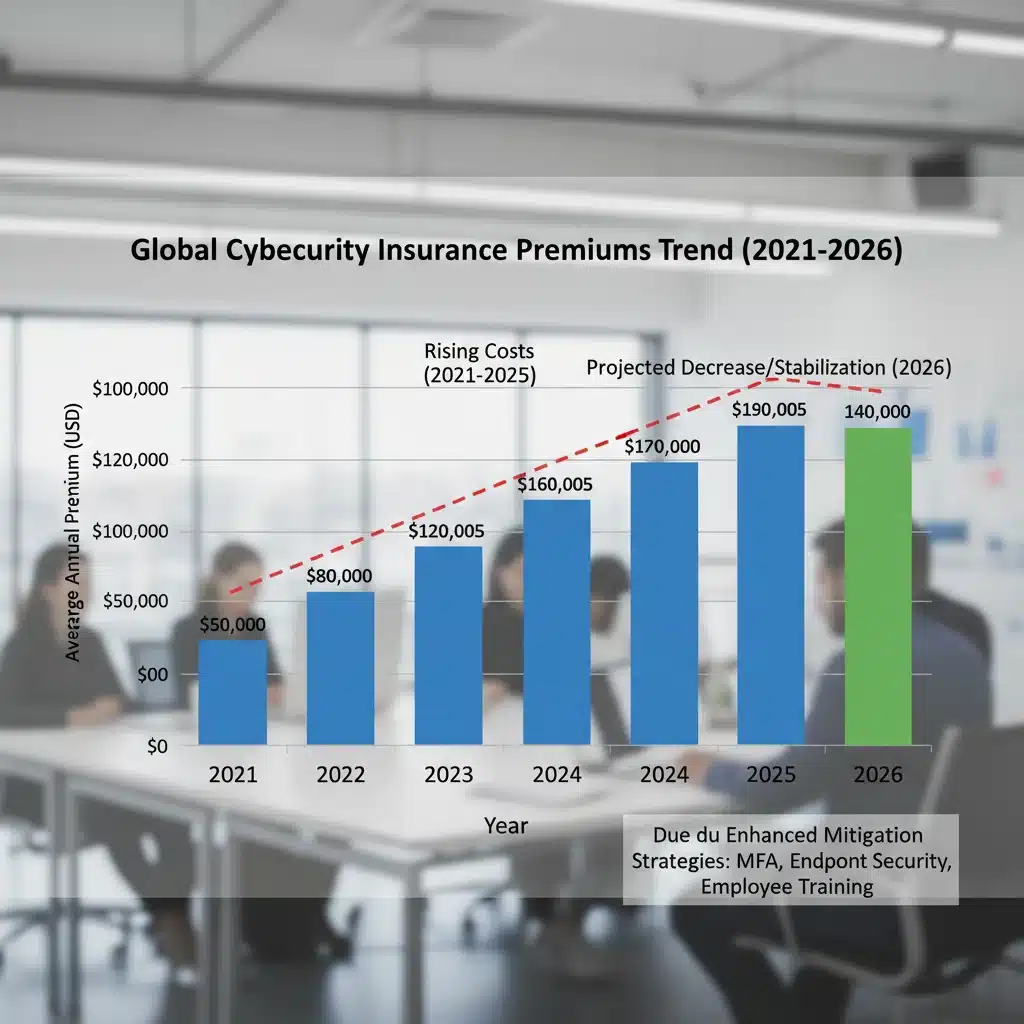
Strategies to Reduce Cybersecurity Insurance Premiums by 20% in 2026
The good news is that businesses are not powerless in the face of these changes. By strategically enhancing their cybersecurity posture and demonstrating a commitment to risk management, organisations can significantly influence their cybersecurity insurance 2026 premiums. Aiming for a 20% reduction is an ambitious but achievable goal with the right approach.
1. Implement a Robust Multi-Factor Authentication (MFA) Strategy Across the Board
MFA is consistently cited as one of the most effective controls against common cyberattacks, particularly phishing and credential stuffing. Insurers recognise its value. Ensure MFA is deployed for:
- All remote access to the corporate network (VPN, RDP).
- Access to all cloud services (SaaS, IaaS, PaaS).
- All privileged accounts (administrators, IT staff).
- All email accounts.
Actionable Tip: Document your MFA implementation, including coverage, types of MFA used (e.g., authenticator apps, FIDO2 keys), and any exceptions, along with the rationale for those exceptions.
2. Enhance Endpoint Detection and Response (EDR) Capabilities
Move beyond traditional antivirus solutions. Invest in and effectively deploy EDR or Managed Detection and Response (MDR) services. These solutions provide real-time monitoring, threat detection, and automated response capabilities across all endpoints.
Actionable Tip: Be prepared to demonstrate your EDR coverage, how alerts are monitored (e.g., in-house SOC, MDR provider), and your typical response times to identified threats.
3. Develop and Regularly Test an Incident Response Plan (IRP)
A well-defined and tested IRP is crucial for minimising the impact of a breach. Insurers want to see that you can respond swiftly and effectively.
- Comprehensive Plan: Your IRP should cover preparation, identification, containment, eradication, recovery, and post-incident review.
- Regular Testing: Conduct tabletop exercises or simulated breach scenarios at least annually.
- Third-Party Engagement: Have pre-arranged contracts with forensic investigators, legal counsel, and public relations firms specialising in cyber incidents.
Actionable Tip: Provide insurers with your IRP summary, evidence of testing (dates, participants, lessons learned), and details of your third-party service providers.
4. Implement Robust Data Backup and Recovery Procedures
In the age of ransomware, immutable and isolated backups are non-negotiable. Ensure your backup strategy includes:
- Regular Backups: Frequent and automated backups of critical data.
- Offsite/Offline/Immutable Backups: Store backups in a location separate from your primary network, ideally offline or in an immutable format to prevent encryption by ransomware.
- Restore Testing: Regularly test your ability to restore data from backups to ensure their integrity and functionality.
Actionable Tip: Document your backup schedule, storage locations, immutability features, and recent successful restore test results.
5. Prioritise Employee Cybersecurity Awareness Training
Your employees are often the first line of defence, but also the weakest link if untrained. Implement a continuous training program that includes:
- Regular Phishing Simulations: Train employees to recognise and report phishing attempts.
- General Awareness Training: Cover topics like strong passwords, safe browsing, social engineering, and data handling.
- Role-Specific Training: Provide specialised training for employees with access to sensitive data or privileged systems.
Actionable Tip: Maintain records of training completion rates and phishing simulation performance to demonstrate employee engagement and improvement.
6. Conduct Regular Vulnerability Assessments and Penetration Testing
Proactively identify and remediate weaknesses in your systems and applications. This demonstrates a commitment to continuous improvement.
- Vulnerability Assessments: Conduct these regularly (e.g., quarterly) to scan for known vulnerabilities.
- Penetration Testing: Engage independent third parties annually to simulate real-world attacks and test your defences.
- Remediation: Crucially, document the remediation actions taken for all identified vulnerabilities.
Actionable Tip: Share executive summaries of your latest assessments and pen tests, highlighting the scope, findings, and remediation status.
7. Implement Network Segmentation
Divide your network into smaller, isolated segments. This limits the lateral movement of attackers within your network, containing the damage of a breach to a specific segment.
Actionable Tip: Be able to articulate your network architecture and how segmentation is applied to protect critical assets and sensitive data.
8. Strengthen Supply Chain Cybersecurity Risk Management
As part of cybersecurity insurance 2026 requirements, insurers will increasingly look at how you manage the risk posed by your third-party vendors. Develop a vendor risk management program that includes:
- Due Diligence: Assess the cybersecurity posture of critical vendors before engagement.
- Contractual Requirements: Include cybersecurity clauses in contracts, mandating security controls and breach notification protocols.
- Ongoing Monitoring: Regularly review vendor security practices.
Actionable Tip: Document your vendor assessment process and demonstrate how you manage risks associated with your critical third-party providers.

Navigating the Application Process for Cybersecurity Insurance in 2026
Even with robust security controls, the application process itself can be daunting. Preparing effectively can make a significant difference in securing favourable terms for your cybersecurity insurance 2026 policy.
Be Transparent and Accurate
Honesty is the best policy. Providing inaccurate or incomplete information can lead to policy voidance in the event of a claim. Be prepared to back up all claims about your security posture with documentation.
Work with a Specialised Broker
A broker with deep expertise in cybersecurity insurance can be invaluable. They understand the nuances of different policies, the requirements of various insurers, and can help you present your organisation in the best light. They can also help compare quotes and negotiate terms.
Start Early and Be Prepared for Follow-Up Questions
The underwriting process is becoming more rigorous and time-consuming. Start your application well in advance of your renewal date. Be ready for detailed follow-up questions from underwriters, as they delve deeper into your controls and risk management strategies.
The Long-Term Benefits of a Strong Cyber Posture Beyond Premiums
While reducing premiums for cybersecurity insurance 2026 is a compelling incentive, the benefits of a strong cyber posture extend far beyond financial savings. A robust cybersecurity framework:
- Enhances Business Resilience: Minimises downtime and operational disruption in the face of an attack.
- Protects Reputation: Safeguards customer trust and brand image.
- Ensures Regulatory Compliance: Helps avoid hefty fines and legal penalties associated with data breaches (e.g., GDPR, CCPA).
- Improves Customer Trust: Demonstrates a commitment to protecting sensitive data, which can be a competitive differentiator.
- Attracts and Retains Talent: Employees prefer working for organisations that prioritise security.
- Fosters Innovation: A secure environment allows businesses to innovate and adopt new technologies with greater confidence.
Investing in cybersecurity is no longer merely a cost centre; it’s a strategic investment that underpins the stability and growth of any modern enterprise. The changes in the cybersecurity insurance 2026 market serve as a powerful reminder of this fundamental truth.
Conclusion: Proactive Measures for a Secure 2026
The cybersecurity insurance landscape in 2026 will be defined by a greater emphasis on proactive risk management, stringent underwriting, and a clear correlation between an organisation’s security posture and its insurability. Businesses that embrace these changes and invest in comprehensive cybersecurity measures will not only be better protected against evolving threats but will also be in a stronger position to negotiate favourable terms for their cybersecurity insurance 2026 policies.
By implementing robust MFA, enhancing EDR, developing and testing incident response plans, ensuring resilient backups, conducting continuous employee training, performing regular vulnerability assessments, segmenting networks, and managing supply chain risks, organisations can realistically aim to reduce their premiums by 20% or more. This proactive approach transforms cybersecurity from a burden into a strategic advantage, securing both your digital assets and your financial future in the years to come.
Start preparing today. Assess your current cybersecurity maturity, identify gaps, and develop a roadmap for improvement. Engage with cybersecurity experts and specialised insurance brokers to ensure you are well-equipped to meet the demands of the 2026 market. The future of your business’s digital resilience depends on the actions you take now.